
Showing posts with label plaquemines. Show all posts
Showing posts with label plaquemines. Show all posts
Wednesday, September 23, 2026

Monday, September 21, 2026
Fruits of Automne
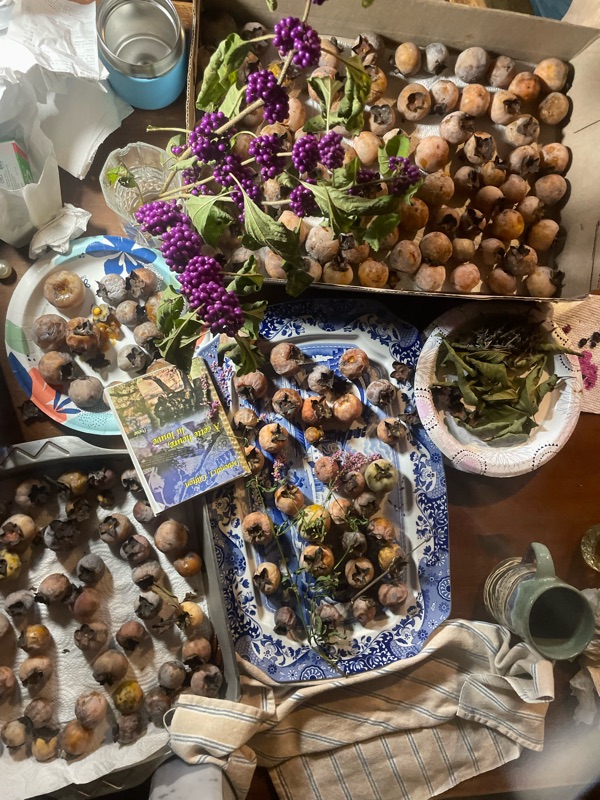
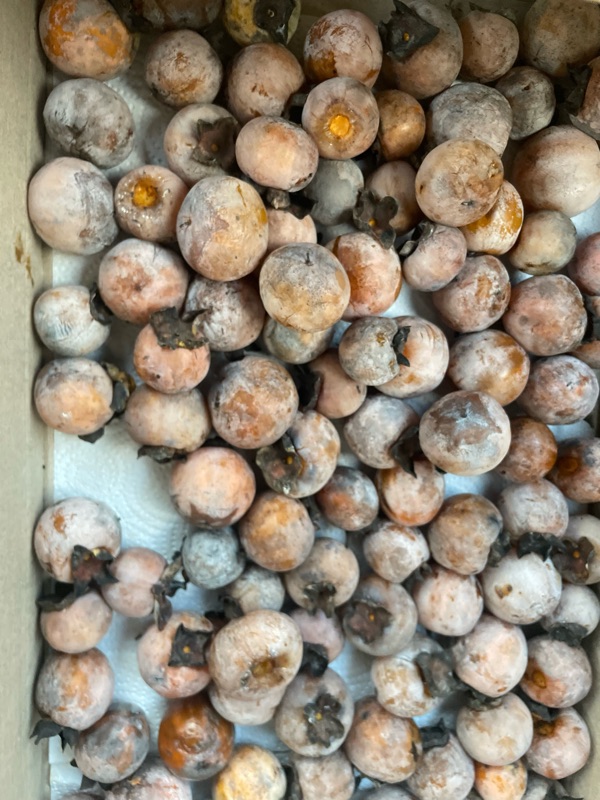
Herbals I am processing a home in September:
Drying herbe cabri, elderberries, eldeflowers, chassepareille berries, chou gras berries, plaquemines and plaquemine seeds, loofa and loofa seeds, chassepareille leaves in alcohol for bug repellant, perilla in alcohol turned it bright green, an enamel bowl of jobs tears, vineraire
Sunday, September 20, 2026
Qiū Sī of a Louisiana Autumn
秋思 d'un Automne Cadien
The contents of a box- dried maypops
La lumiere du soleil tourne comme la verge d'or
Indian heliotrope, tournesol du marais
The wormseed chronicles on Jules LaGrange
The smell of dried vineraire in the prairie
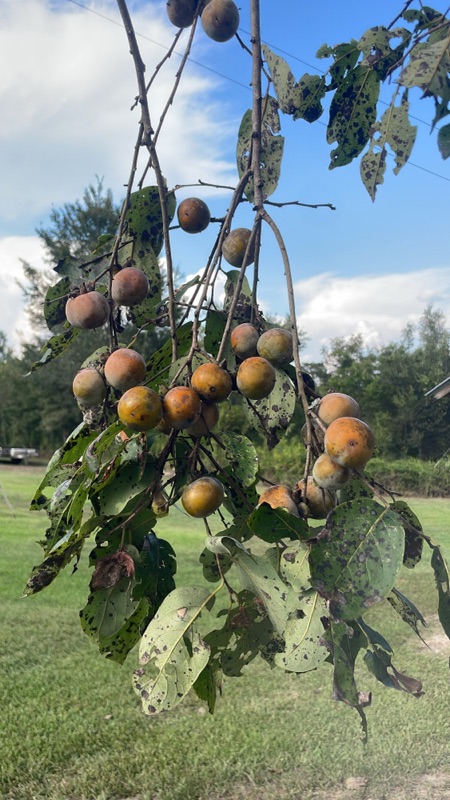
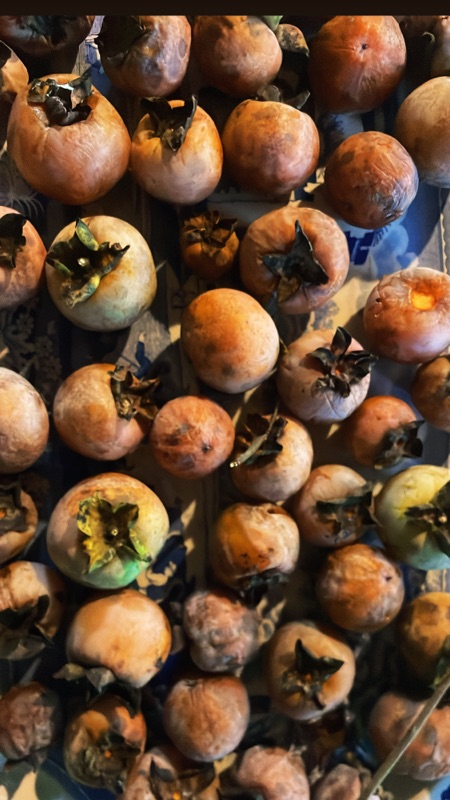
A coyote under the plaquemine tree
Piquante bleue dans le platin
Poke berries, elder berries, socos, pepper berries, chassepareille
Persimmon seeds opened like books to fortell the winter
Lizard's tail root in water
L'eau de chassepareille
Les oranges du bois
Wax myrtle fruits
Gateau sirop
Tea cakes and sweet dough
Pecans and hickory nuts
The first spider lillies, curage rose, pea vines, orange trumpet vine, yellow loofa flowers
Patates douces de Pecaniere
Fils de la vierge dans l'air
Far off smoke of cane field fires
Cicada wings, a luna moth under the sweet gum tree
Copal resin and pine sap
Herbe cabri from the Jesuit pasture
Musk melon vines
Ground Cherry
Possom grapes, soco
The smell of cut hay on the coteau
Saturday, September 19, 2026
Les plaquemines de la Prairie des Femmes
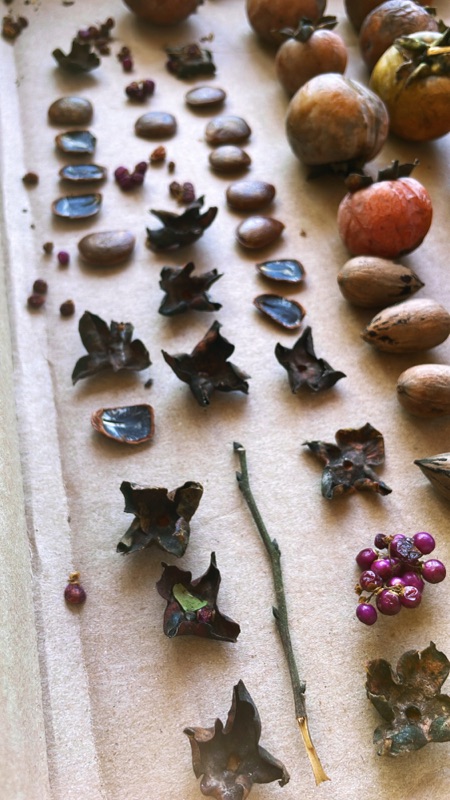
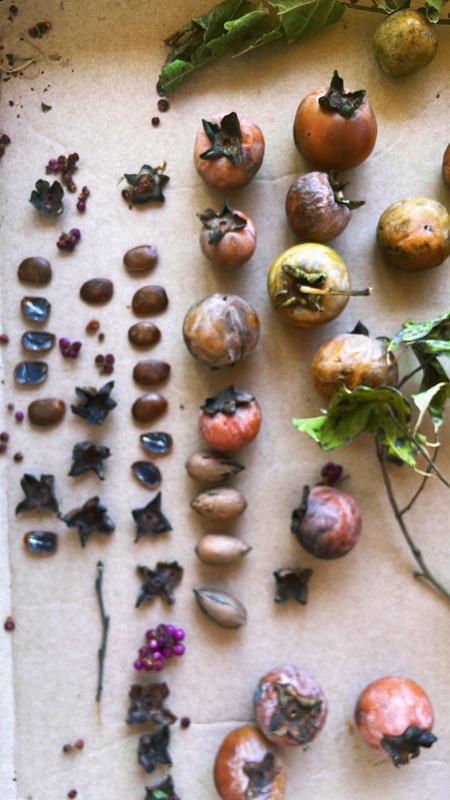
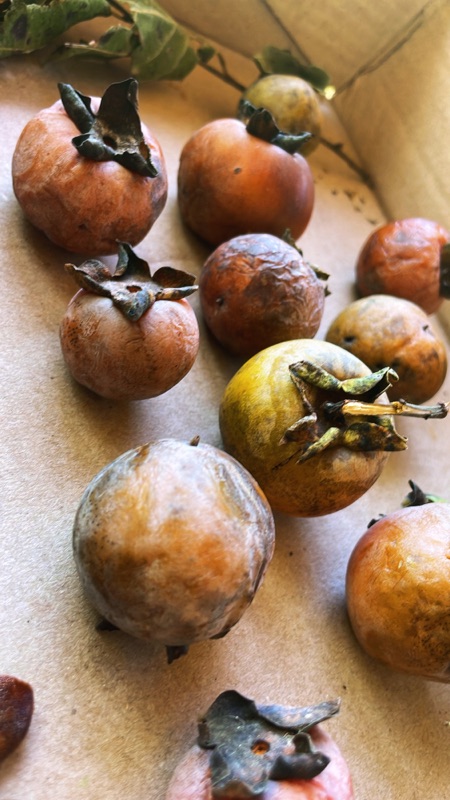
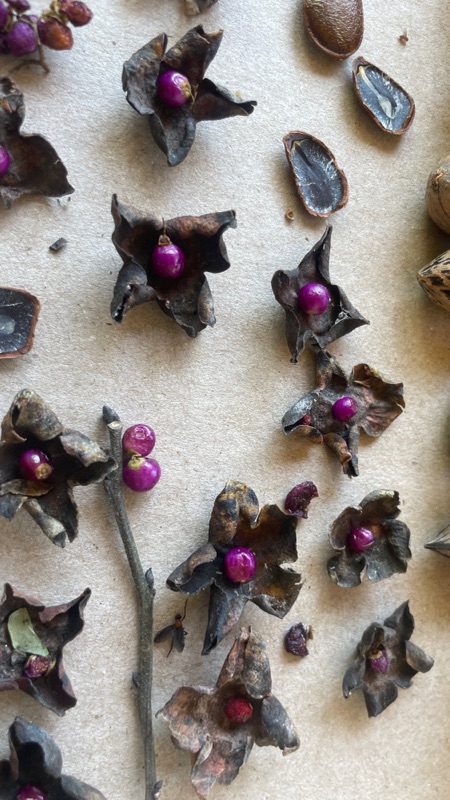
At the old convent on the hill I gather chassepareille from the woods and soak it in cold water. I drink this infusion with spherical ice while the girls and I snack on plaquemines. I tell them that the least attractive fruits taste the best and let the pretty, perfect ones pucker our mouths. We cut the seeds on the seam and open them like books to foretell the winter weather. I explain to the girls that learning Louisiana French is as much about the fruits of the land as it is about the language.
Monday, May 25, 2026
Meche-Wilkes Mound

The Meche-Wilkes Mound, is located near Arnaudville on the periphery of the Atchafalaya Basin on the edge of the Pleistocene terrace. This site has been protected by the landowner and is relatively undisturbed. Gibson conducted excavations at the Meche-Wilkes Mound in 1990. The site contains deposits dating to the Poverty Point, Tchefuncte, Baytown, Plaquemine, and historic periods (Lousiana State Site Form).
The Anthropology department came across an historical discovery in '89, revealing some history of Acadiana. Archaeological excavations at Meche-Wilkes mound near Grand Coteau by USL archaeology students confirmed the earthen mounds were built by the Acadiana's native people during the first pre-Christian millennium. These mounds were used for cooking during the era. Lonnie Utley USL's L'Acadien 1989
Saturday, September 28, 2024
Les signes de l'automne
La vinéraire blanchit
C'est l'avant automne
l'Assomption arrive
Annoncant le temps preis
De ramasser ma sasafron
La lumière change
Gateau sirop, plaquemines oranges
La roulaison dans Prairie Laurent
Oxblood et vermillion
Damballah Le Grand Esprit
La Toussaint of memory
Umbrelles of elder in the sureau trees
A carencro feather, Bon Dieu te bénit
Je bois l'eau de chassepareille
The sides of the coteau are cut for hay
He likes a thin gumbo, no filé
Tuesday, October 18, 2022

Thursday, September 4, 2014
A la recherche du sassafron
When we first moved to the PDF, there was open cow field on all but one side of the property, and on that side was a swamp wilderness I call the oxbow woods. Back on the prairie, near the treeline of the cow field de Monsieur Vacheur there was a small grove of native sassafrass trees with their leaves in all sizes and shapes. I remember Miss Kary giving me some sassafras root to chew on a kid and I loved it. The first winter out here I had harvested some from the little grove and made file and root beer and tea with it. But then the neighbors (who love their bush-hog) started to clear that land more and more, cutting their trees and some of ours in the process. They ignorantly chopped the only native producing plaquemine that grew on the very corner of our property. The fruit I ate from it that first fall out here was like no persimmon I had ever eaten off of the trees that are in people's yards, those are Japanese varieties. This native persimmon was like une cuillère à café of velvet spice butter. Then when the parish came in and started ripping out our tree-line (for drainage, and, I was told, paid for by "BP stimulus money") we stopped them and asked they leave our side of the ditch and tree line alone. Half the damage was done but at least we didn't have to watch them tearing out any more of our trees. They agreed to leave our trees alone, but then one day on our walk, I saw they had left every tree on our side alone except the big producing mulberry, my favorite tree.... ahhh.... La Prairie des Femmes. She giveth, and she taketh away.
So imagine my surprise and elation this morning when I took a walk back there to see if any sassafras could still be found. I had looked recently, but wasn't able to go far enough to where I believed it was. I could remember when there was the little grove, but now it's all grass with a few mowed-around hardwood trees. At the back of our pasture where the overgrowth shadows fall on the uncut grass I stopped and stomped my feet. The grass was dripping wet with dew and the left overs of a the morning fog. As I proceeded from the shadows and to the spot where the sunlight hit the grass making it gleam, a black snake slithered in front of me and back into the green jumble of the tree line like a long smooth piece of silk. I frissonered and thanked God that I always have the presence of mind to watch the ground as I walk, but seeing the snake told me something: I would find the sassafron this time! Sure enough, at the base of a few of the trees, the odd shapes of the leaves caught my eye. I collected some and prepared the soil around the root of a sapling for a little transplant. When I got back to the house, I put some of the small branches to dry in the sun on the old Burger Chef Table and made a tea with the fresh loose leaves. Today, the Prairie giveth!
So imagine my surprise and elation this morning when I took a walk back there to see if any sassafras could still be found. I had looked recently, but wasn't able to go far enough to where I believed it was. I could remember when there was the little grove, but now it's all grass with a few mowed-around hardwood trees. At the back of our pasture where the overgrowth shadows fall on the uncut grass I stopped and stomped my feet. The grass was dripping wet with dew and the left overs of a the morning fog. As I proceeded from the shadows and to the spot where the sunlight hit the grass making it gleam, a black snake slithered in front of me and back into the green jumble of the tree line like a long smooth piece of silk. I frissonered and thanked God that I always have the presence of mind to watch the ground as I walk, but seeing the snake told me something: I would find the sassafron this time! Sure enough, at the base of a few of the trees, the odd shapes of the leaves caught my eye. I collected some and prepared the soil around the root of a sapling for a little transplant. When I got back to the house, I put some of the small branches to dry in the sun on the old Burger Chef Table and made a tea with the fresh loose leaves. Today, the Prairie giveth!
Monday, October 1, 2012
Beautiful Abandoned House in Leonville
 |
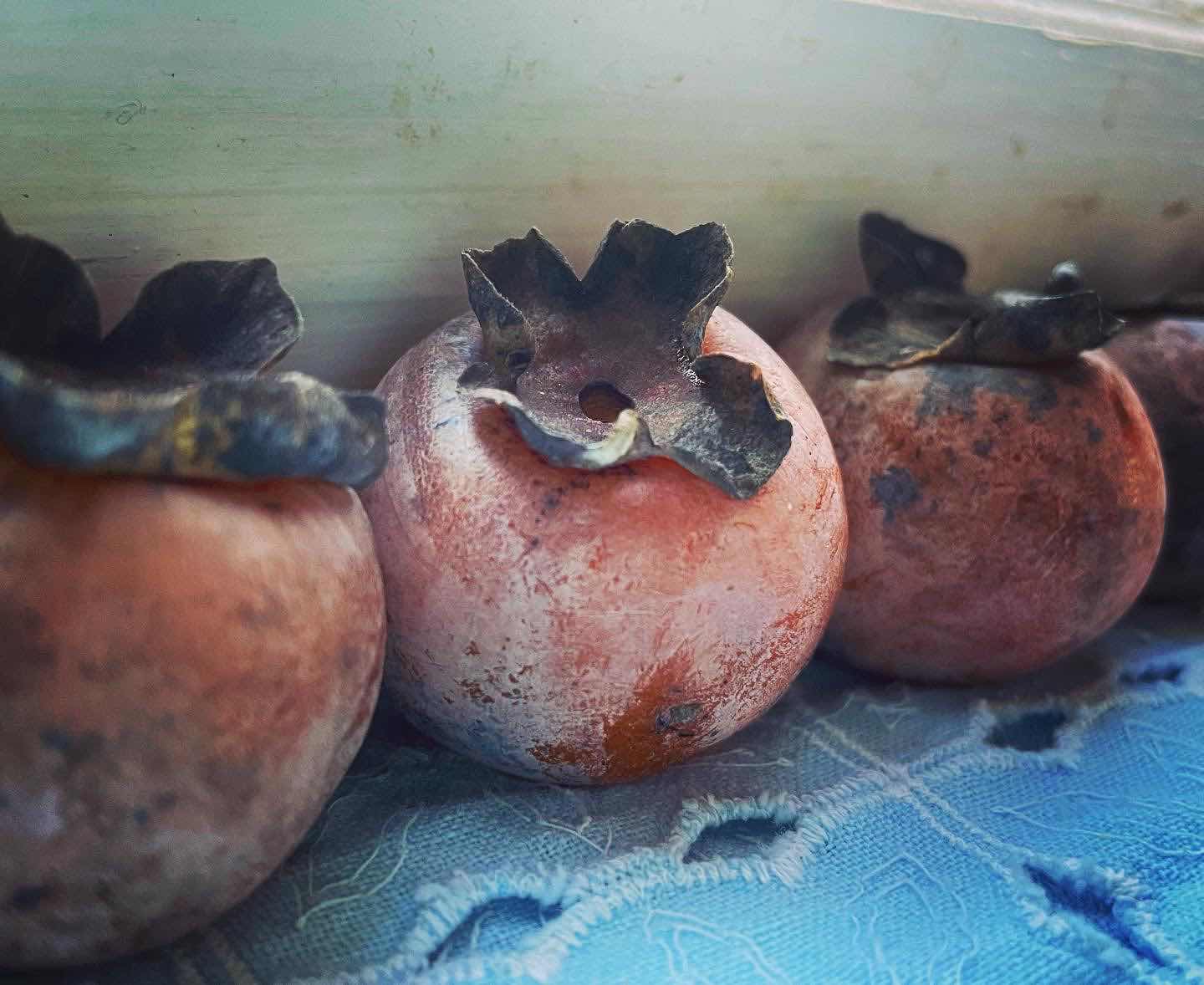
| Persimmons- Les Plaquemines |
 |
| les roses |
 |
| grotto |
 |
| Mary among the vines |

 |
| Sad-eye Mary |
 |
| Roses |

Subscribe to:
Posts
(
Atom
)