
Thursday, September 3, 2026

Monday, August 24, 2026


Sunday, August 23, 2026


Thursday, August 20, 2026
.png)
Sunday, August 2, 2026
Mi'kmaw Shamanism and the Sacred Approach

But perhaps the most interesting of Micmac magical herbs is
that known as mededeskooi, or, as the Micmacs translate it, "rattling plant," because its three leaves strike each other constantly
with a sound like that of the rattlesnake. I have not been able
to identify the plant, nor can I positively assert that it really exists.
I have met but one Micmac who claimed to have seen it, and generally the Micmacs are reluctant to talk about it, because of its
highly mystical associations. But it is certainly strongly suggestive of the pasaw, or rattlesnake root, of the Creeks, already referred
to, which occupies the same preeminence, and gives its name to the
whole magic decoction used at initiations.1 The Micmacs describe
the plant as resembling the wild turnip. It stands about knee
high, with leaves about eight inches long, like those of the poplar. Its root is the size of one's fist, and the stalk is surrounded by numerous brownish yellow balls as large as buckshot. Others
describe the plant as being much smaller. Stephen Bartlett, who
thinks he saw the plant, buried some of the yellow balls, but next
morning they and the plant had disappeared. As Stephen admits,
however, that he did not go through any of the ceremonies necessary in approaching the plant, he is considered a doubtful authority,
even by himself.
To find the plant, one must first hear the bird
called cooasoonech ("dwelling in old logs") singing in an interval in the forest, otherwise the plant is invisible. This bird is brown
and very small, but is chosen chief of all the birds because he is
quickest and can hide in the smallest holes. He is sometimes called booöin, "the magician," from his aptitude for quick disappearance,
and his ability to fly through fire without being injured. When he
sings, one should follow him at once, although, like the mystic songster known in Yucatan, he often leads one on and on through the
forest depths, leaving him at last lost and forlorn. But the fortunate
6ne will at length hear the rattling leaves of the magic plant as he
approaches it, and then the plant itself will soon be seen. He must
now gather thirty sticks and lay them in a pile near the plant. Next
he must induce a girl, the more beautiful the better, to accompany
him to the plant. Under circumstances of the greatest temptation,
both must have no wish save to obtain the medicine or the plant will
disappear. They must approach it crawling on hands and knees.
Now the plant is inhabited by the spirit of a rattlesnake, which
comes forth as they near the plant, and circles around it.1 The man
must pick up the serpent, which will then disappear without harming
him. These tests of perseverance, self-control, and courage are all
I have heard, but there may be others. The plant must be divided
in four portions, of which three may be taken, but one must be
left standing. The three parts are scraped and steeped and a portion worn about the person. Some say that, divided in seven parts,
this medicine will cure seven diseases, but the great majority
believe that it will cure any disease and gratify any wish. It is
held to be especially potent as a love-compeller. No woman can
resist it. If the possessor wills it, she will follow him until he
breaks the spell by touching her. This attribute is held also by
the "seven-hued lilies of Te-net-sa-li," already referred to, and by
the flowers of the goddess Xochiquetzal in Mexico, the touch of
which produced everlasting love. It may be worthy of notice that
the mnededeskoo' is a trefoil plant. Many instances of its power over women are related as occurring recently, and for this and other reasons I am told the Micmacs strongly deprecate the knowledge and use of it. If the circumstances of these stories suggest some knowledge of hypnotism amongst them, I simply state the fact. Personally I have not yet seen any evidence of such power there. The rattlesnake which accompanies the plant brings it at once into touch with the mysteries in all parts of the globe. The same species is associated by the Micmacs with a dance which they used to perform only at night. This dance was mystical in a marked degree, and was connected with the Pleiades.
Stansbury Hagar
1 Is it a mere verbal coincidence which connects this plant with the Piasa (pro- nounced piasaw), the winged serpent of Illinois described by McA
1 Hernandez, physician of Philip
II., quoted by Brasseur, states that the Mexicans used an herb called ololiuhqui or serpent plant when they wished to consult
with their gods. By means of it they were enabled to behold a thousand visions
and the forms of hovering demon
Monday, July 27, 2026
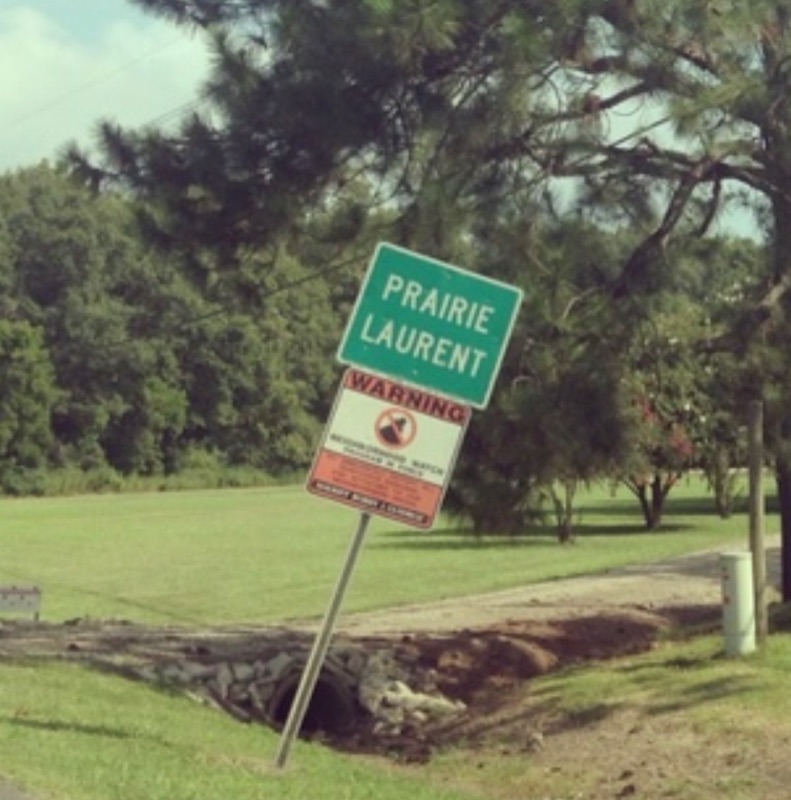
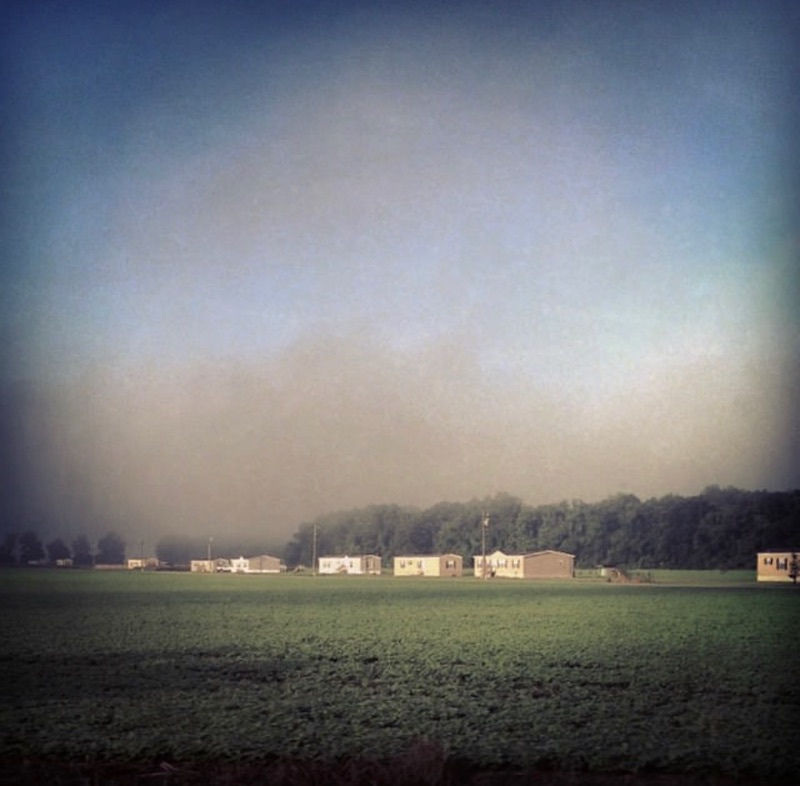
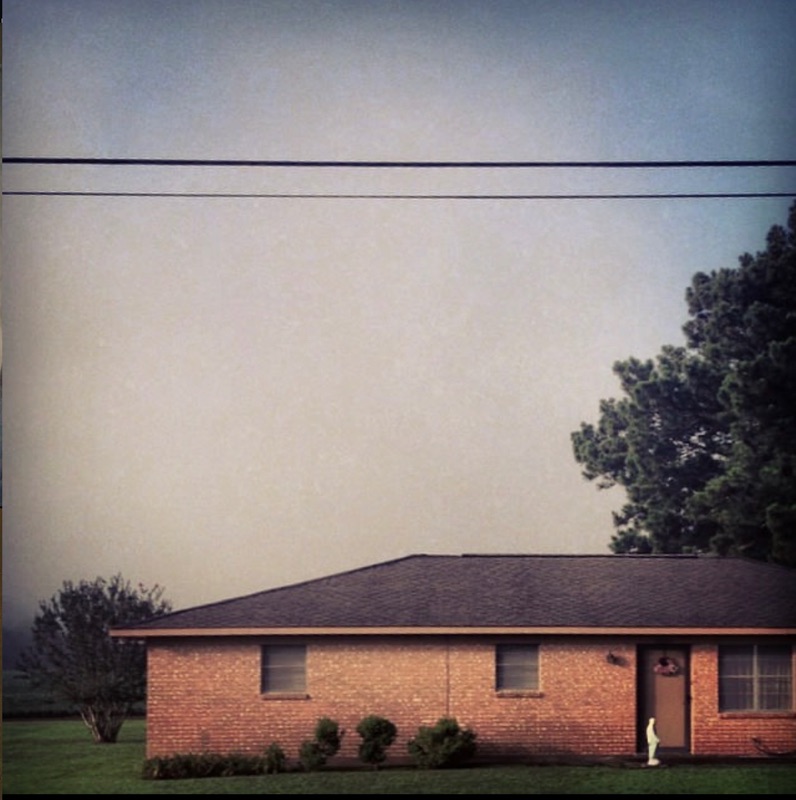
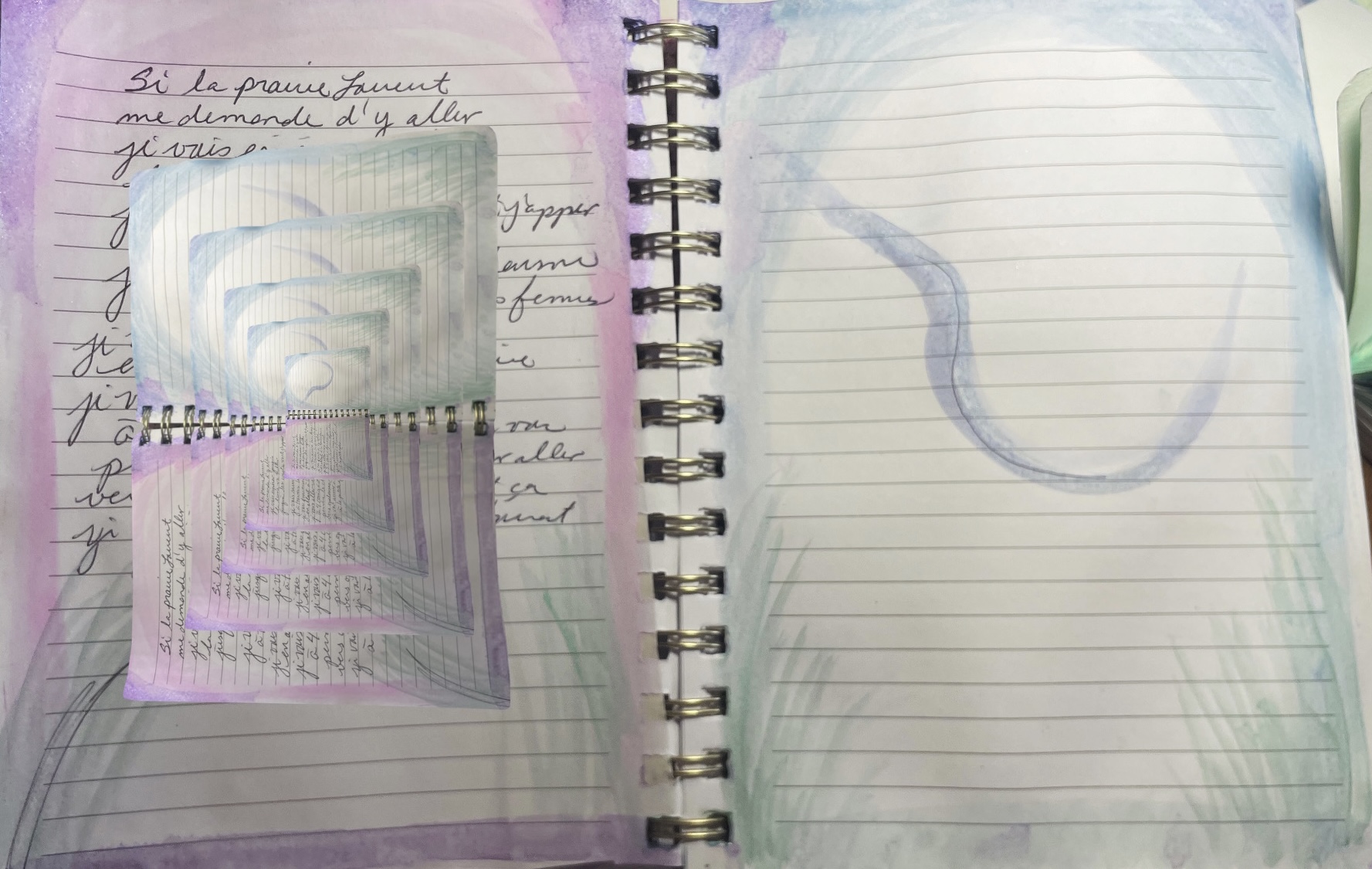
Prairie Laurent
Adieu Laurent
Adieu, Laurent! Quelle nouvelle est ça?
Pâmé, tout déparler
Adieu, Laurent! Quelle nouvelle est ça?
Pâmé, tout déparler
La femme assise dans la fenêtre après penser
Pâmé, tout déparler
Assez jalouse elle peut pas dormir
Pâmé, tout déparler
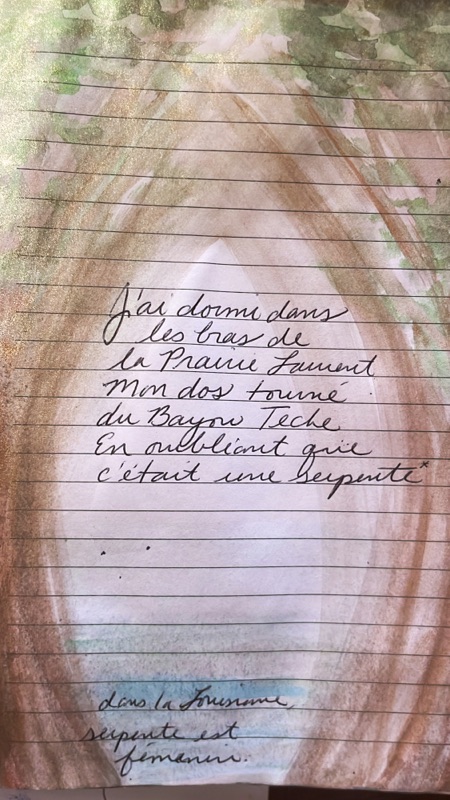
J’ai pris une saucisse pour une serpent
Pâmé, tout déparler
J’ai pris du coton pour de la neige
Pâmé, tout déparler
J’ai pris du verglas pour du sel
Pâmé, tout déparler
Sister Edith
Sunday, July 26, 2026
Friday, July 24, 2026
The First Arnaudville Table Française July 2006
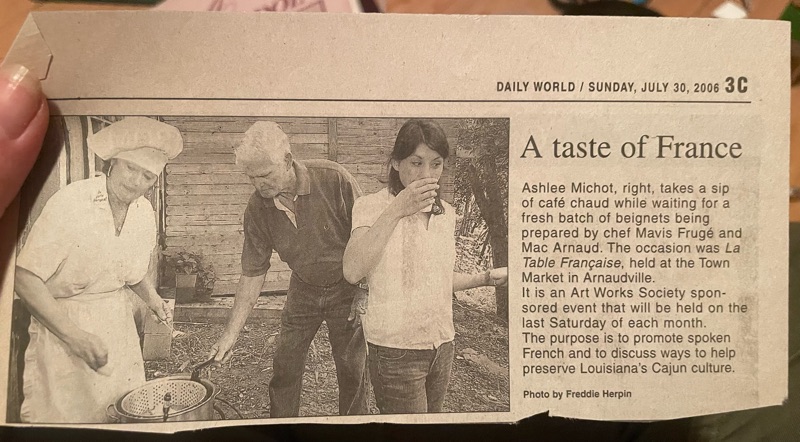
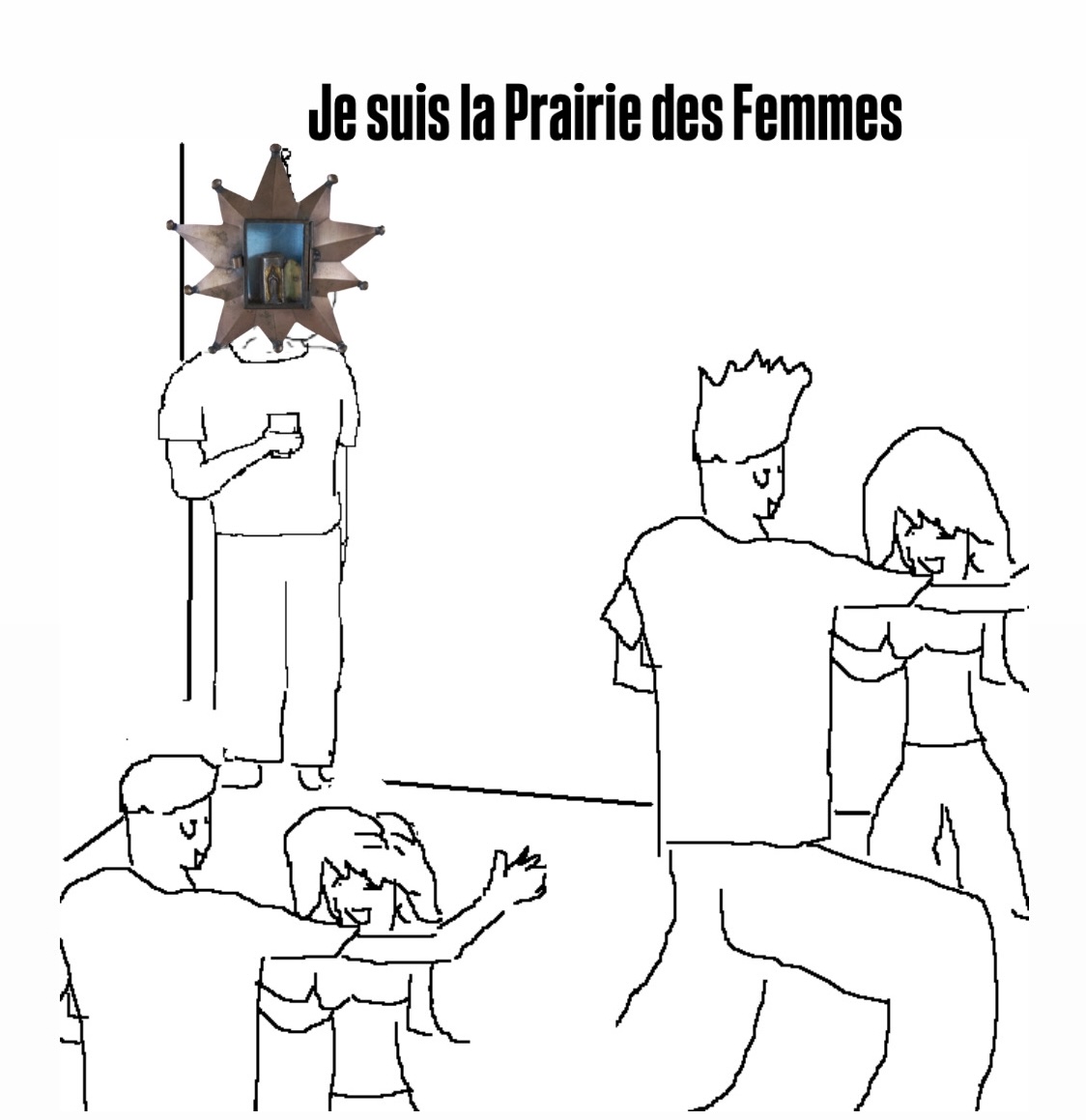
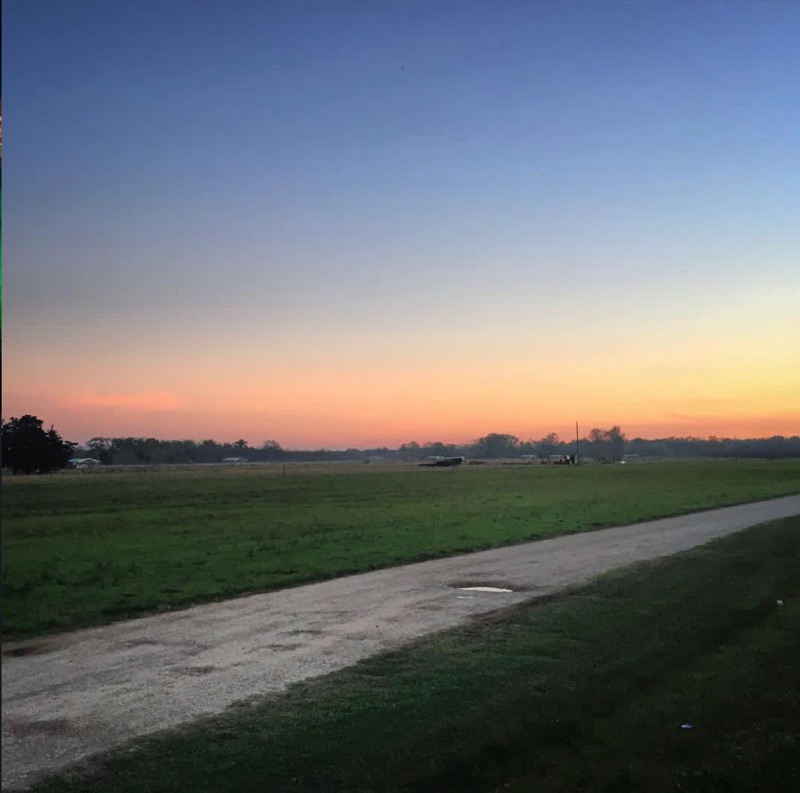
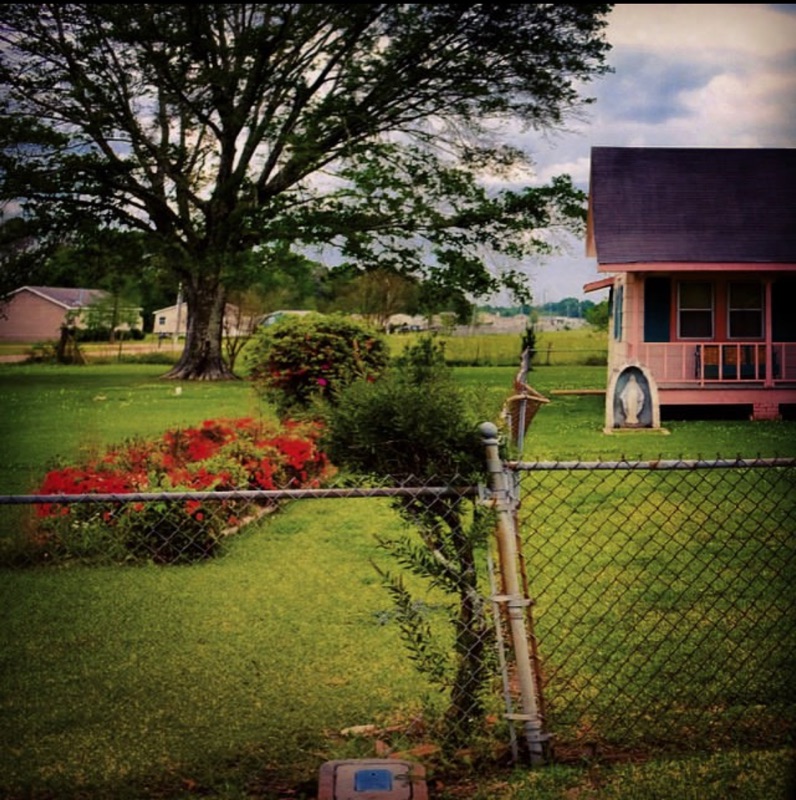
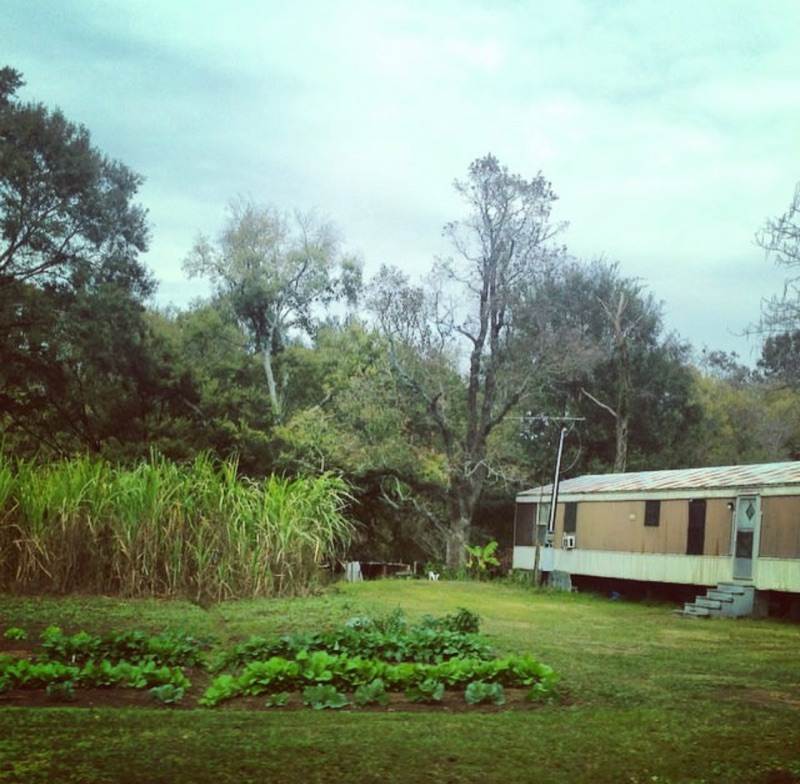
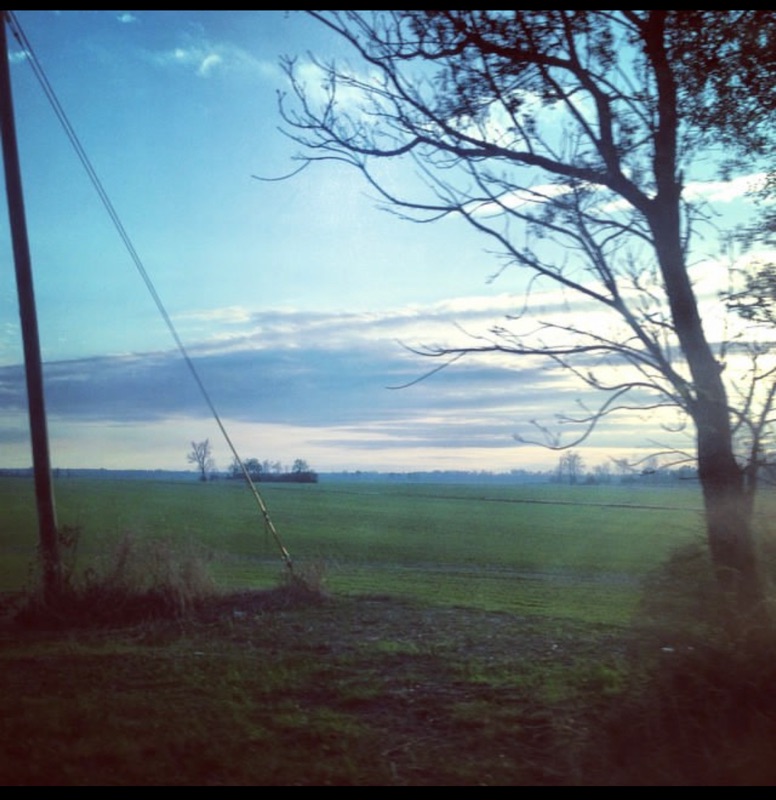
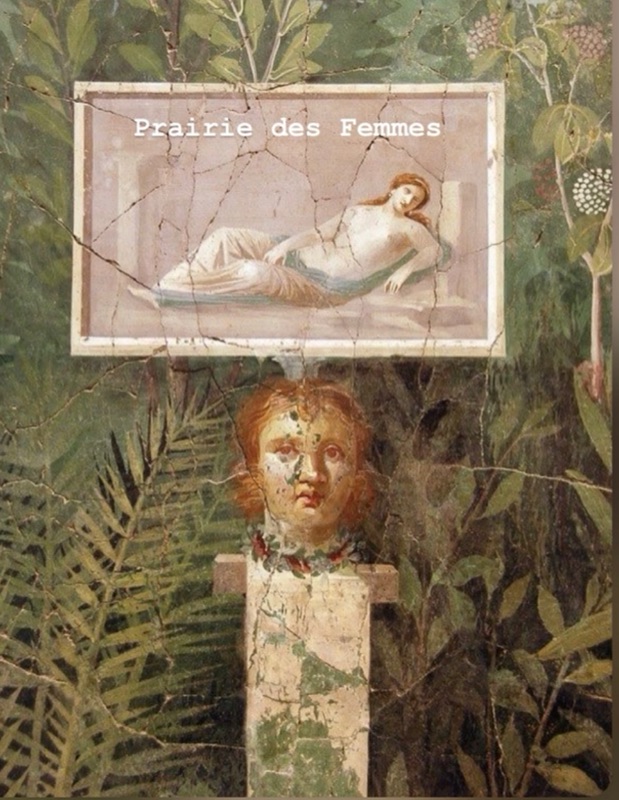
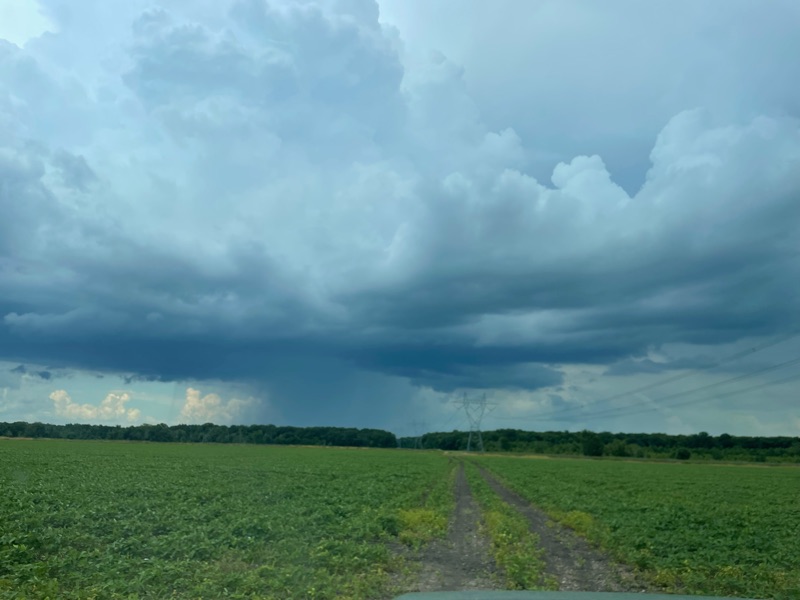
This summer marks twenty years that I live in the Prairie des Femmes. In 2004 I began to come here and spend time as a camp and a wild place. « We’re going to the prairie » we’d say.
It was a dream place where a house was being raised. This house was a curiosity and then a wonder to me. No one had ever brought me to a new land and hand built me a home. The day before we married I found myself alone in the central room of the house. I sat on the fresh wooden floor with my back on the cypress tree pillar in the middle of the room and imagined the future that would pass in this room. This would be the room where I lived, celebrated every Christmas, conceived and raised children and this very blog.
I moved here permanently on my wedding night, July 14, 2006. I remember the moon casting our enormous shadows on the wall as he carried me over the threshold through the French doors he’d kicked open. It was fine, the doors had holes for knobs.
The next morning we had an open house party in our unfinished prairie cottage. My grandparents showed up earlier than anyone else the morning after my wedding night and made me scramble for my modesty. Everyone showed up later and were able to eat their own personal pints of Ben and Jerry’s ice cream, the groom’s favorite. We drank and played music surrounded by family and flower arrangements from the wedding.
The next week was dream like. I hand-washed my wedding dress and dried it in the porch. We ate at Myran’s Maison de Manger. We went to Nunu’s first potluck. We lived and worked in our new house to make sure it had a front wall, doorknobs, hot water and reliable electricity, all of which we had moved in without. I was preparing to begin as the new French teacher at nearby Beau Chêne high school while my new husband was a Cajun musician. He left for tour after our marriage. I was brave about it, but at 25 I was alone for the first time in the Prairie des Femmes.
The house was sparse. There was no internet in those days. I boiled water in a red kettle for my baths and used a fancy bath oil, Mary Black by Florence Gunnarson, because it was all the soap that I had. I was sure that I had moved to the far countryside and bid goodbye to the cultural scene around the Blue Moon Saloon in Lafayette but soon I realized that nearby Arnaudville was emerging as its own cultural bastion, mainly through NuNu’s cultural arts center with George Marks and his mother Rita. There were events there such as the community pot luck, bands like Joe Hall and the Louisiana Cane Cutters, and at the end of July, a new French Table headed by Arnaudville matriarch Mavis Arnaud Frugé. I wrote the information about the a French table on the back of a card and pinned it to our post. I looked at that card every day as a beacon, my only social outing while I was alone and first French event before I became the « Madame » of Beau Chêne.
I attended the table that day and made acquaintances and friendships that I hold still today. Madame Mavis served us beignets she hand fried on the steep edge of Bayou Têche. I have continued to attend her monthly French tables at Nunu’s. It was there and through the strong French that still exists in Arnaudville that I was able to integrate into this community. Last year i was asked to lead the Arnaudville French Table and today I find myself in the unique position to be leading it 20 years to the day that I first attended as a newlywed. I find myself no longer married, but still choosing to stay in this place and serve this community and to stay in this house on the prairie that was my refuge all those years ago. I raise three beautiful sons in the Prairie des Femmes and still serve my community as Madame as I teach French to the girls of the Sacred Heart of Grand Coteau, just west of the prairie.


Tuesday, July 21, 2026
Alphonse Ardoin and the Zydeco Kingz
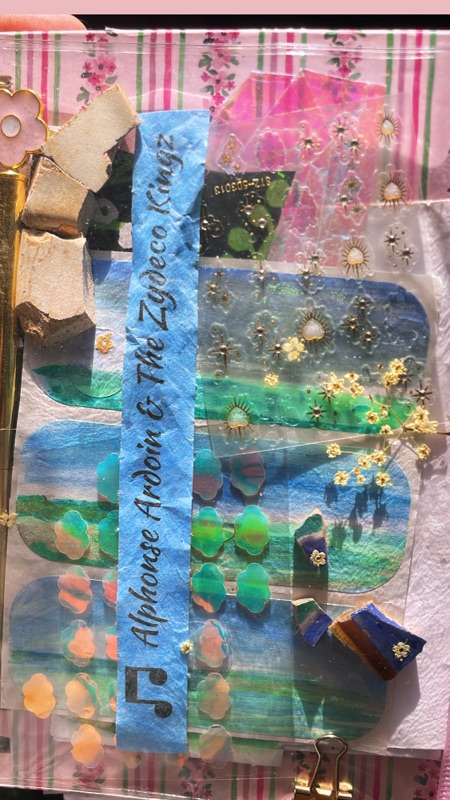
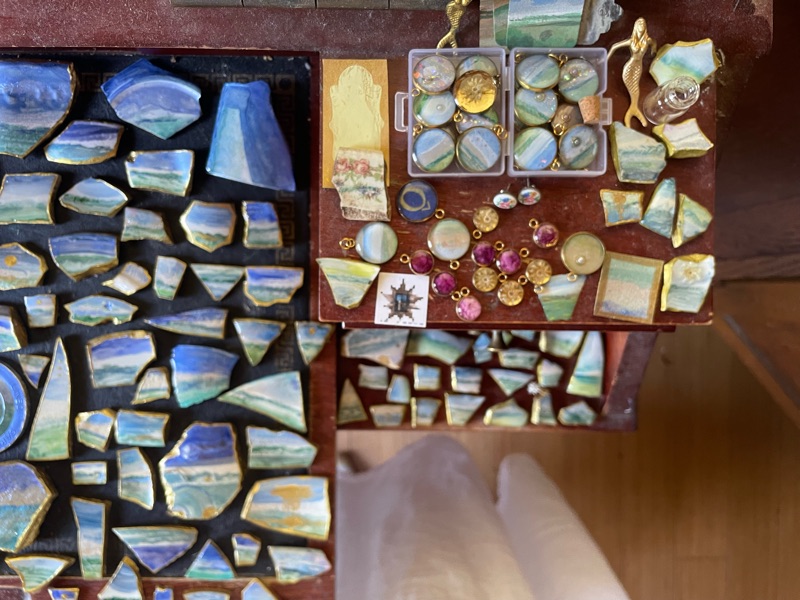
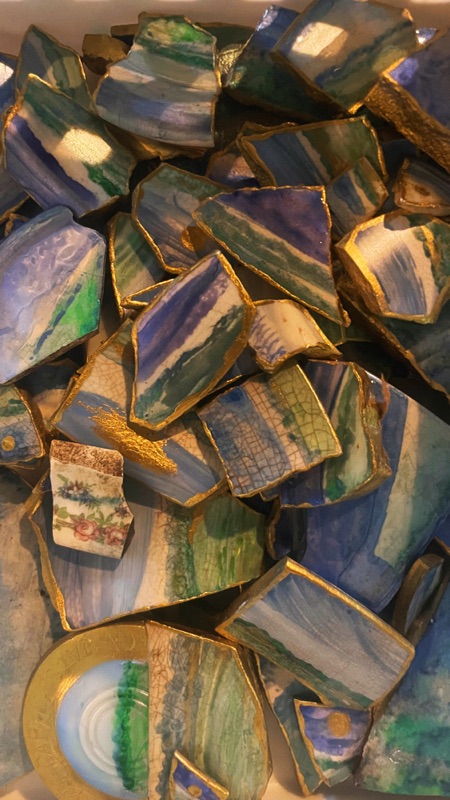
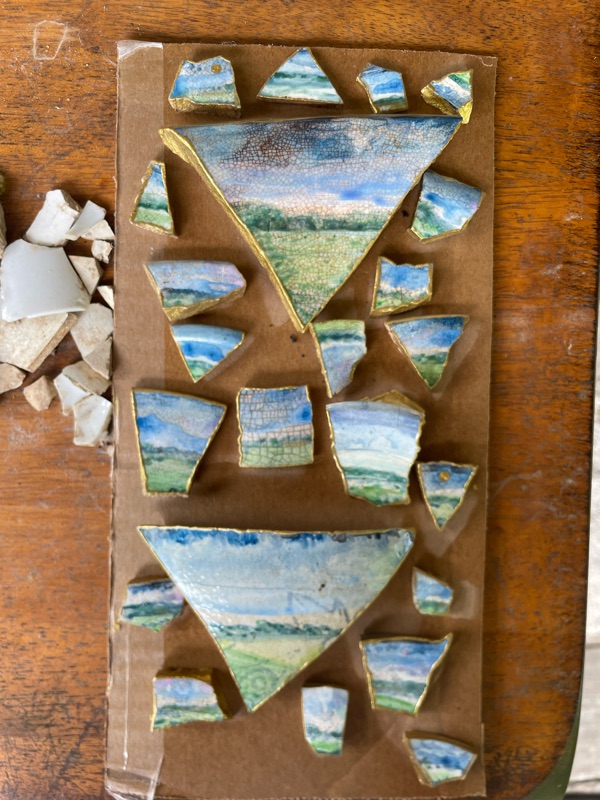
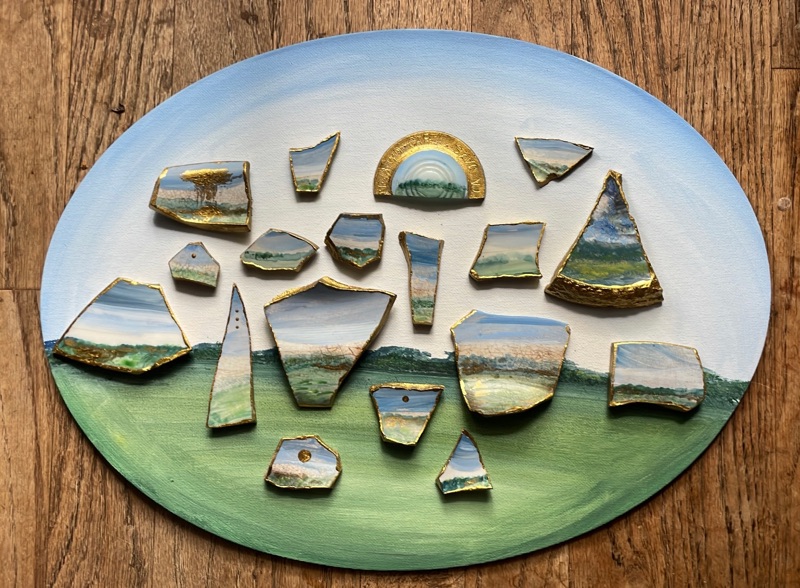
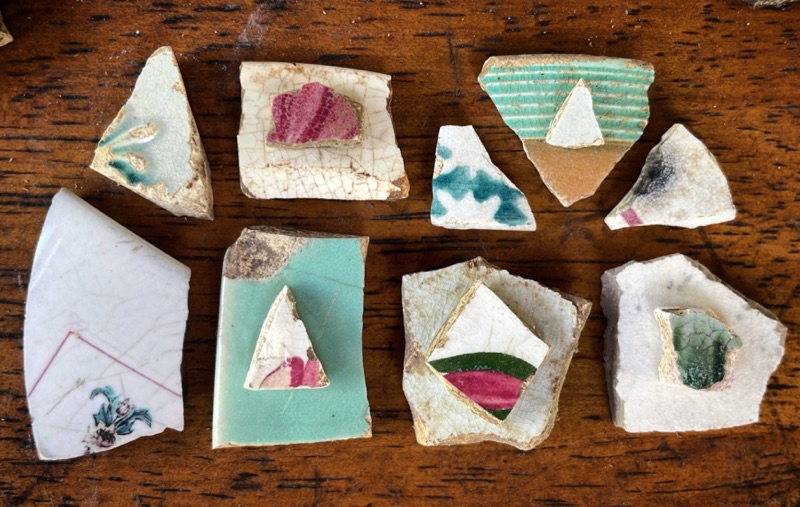
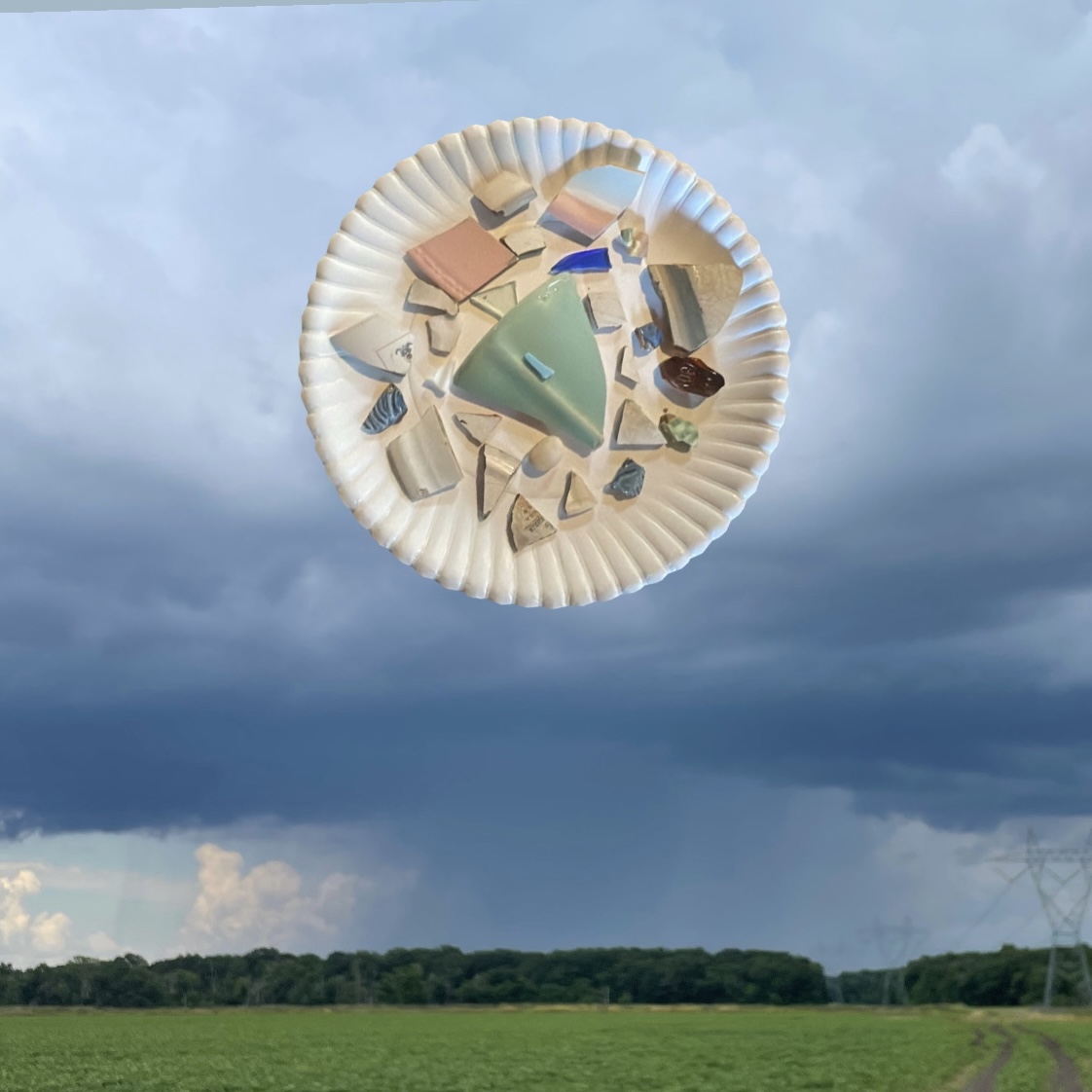
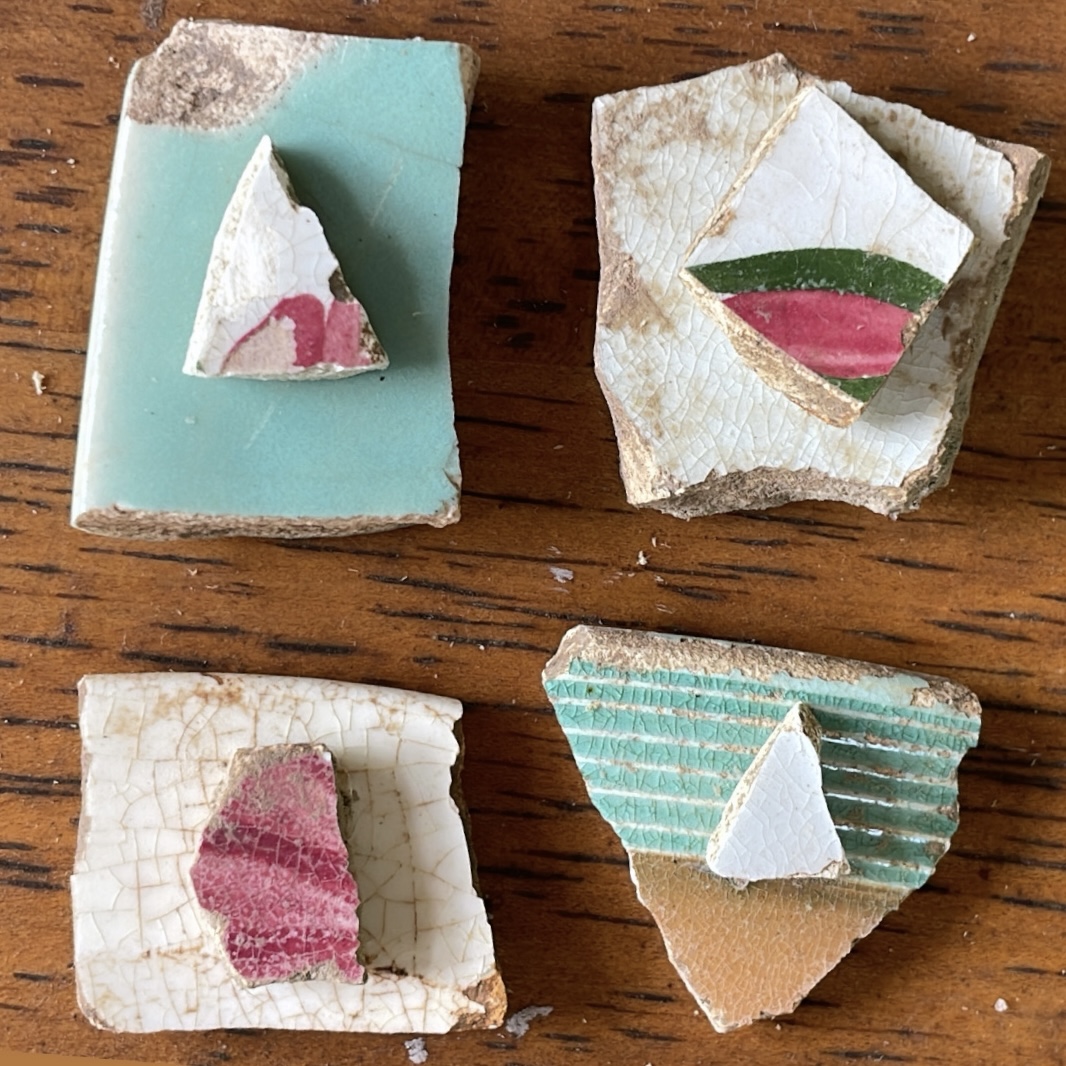
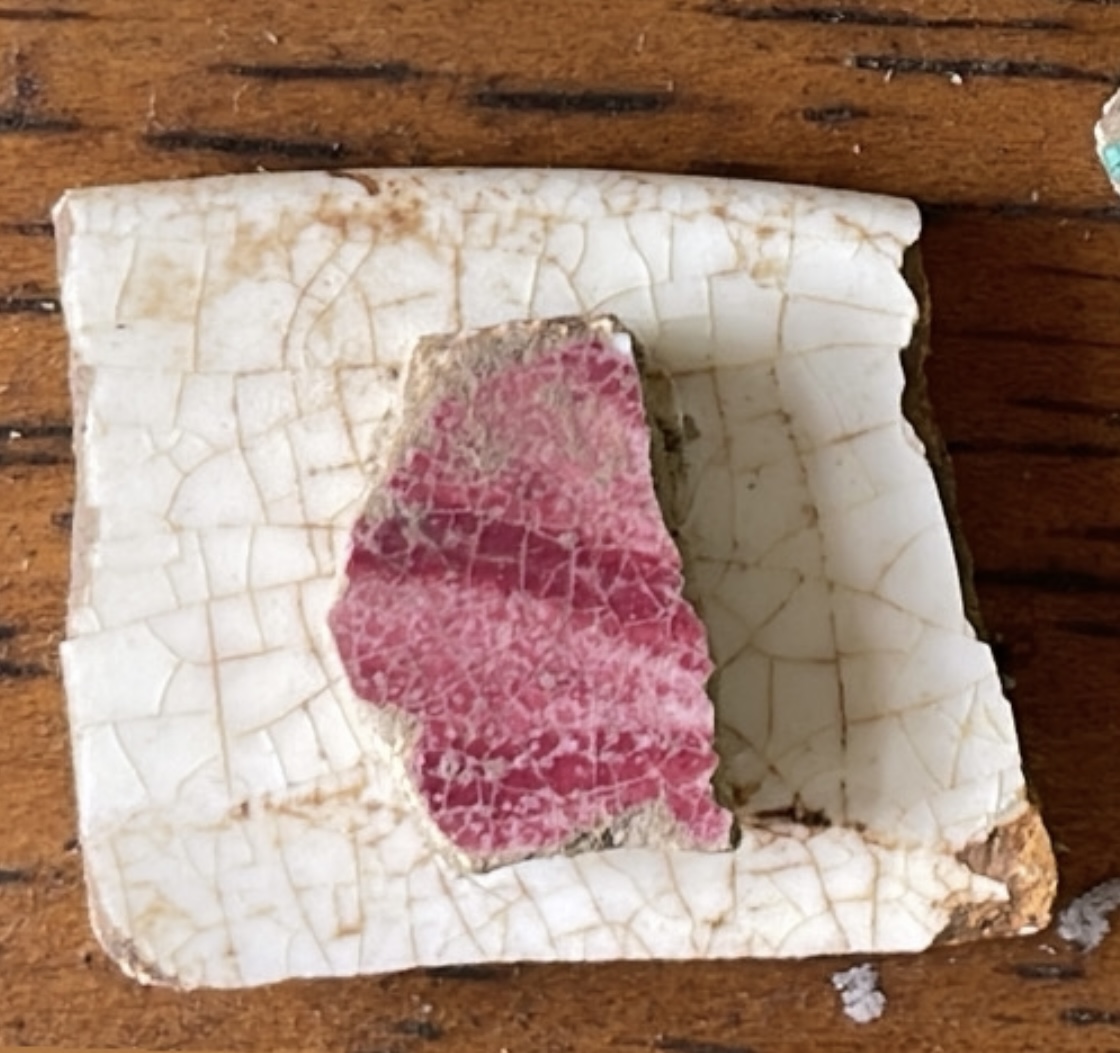
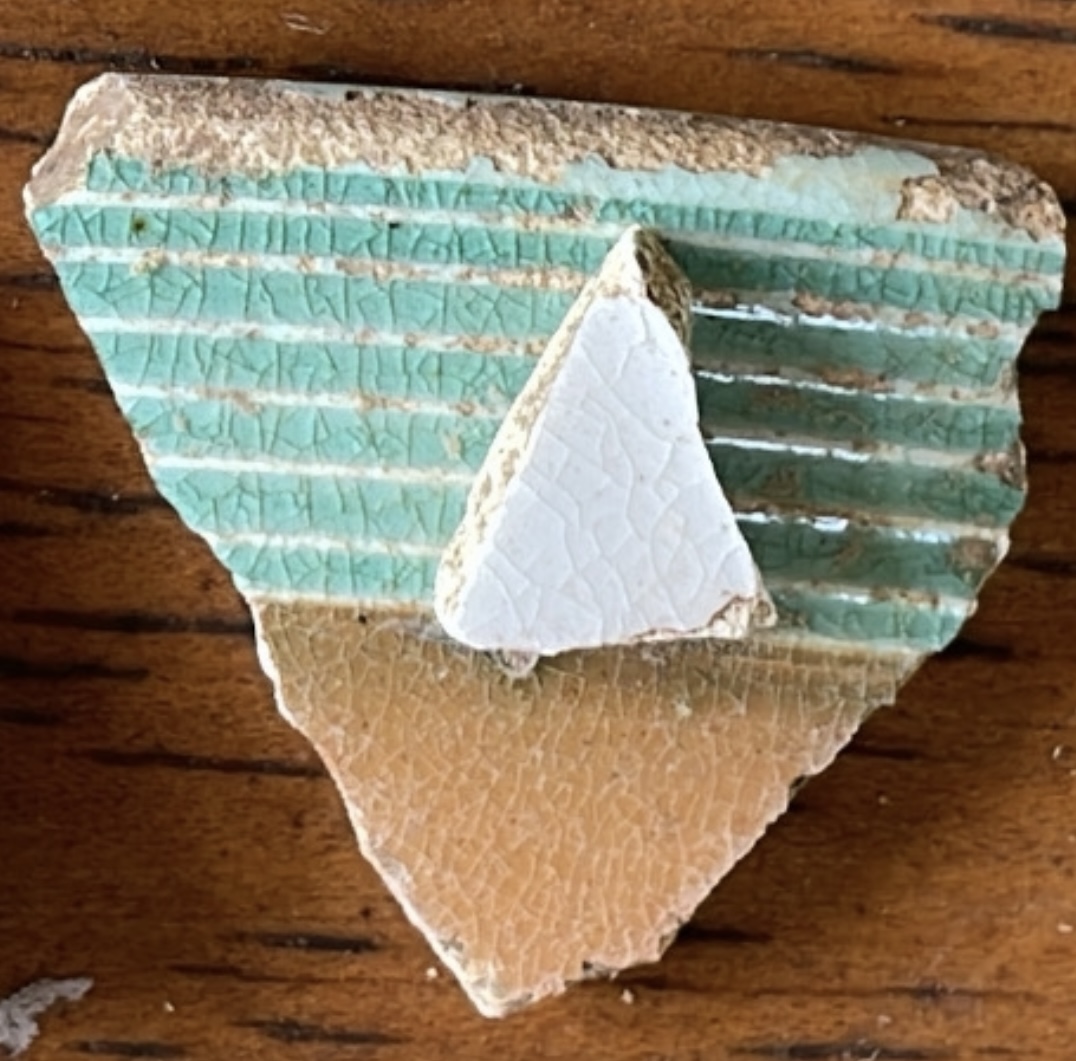
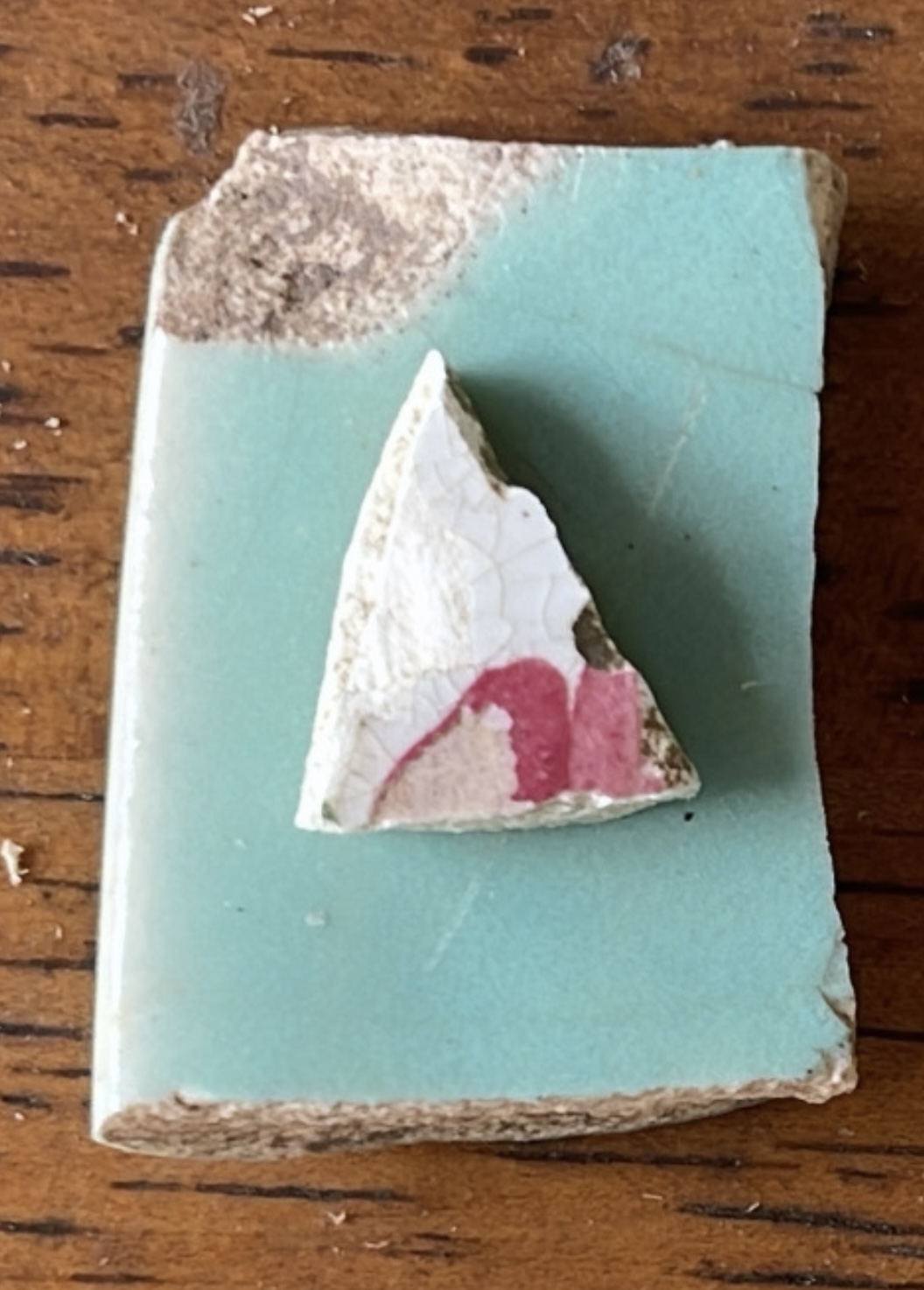
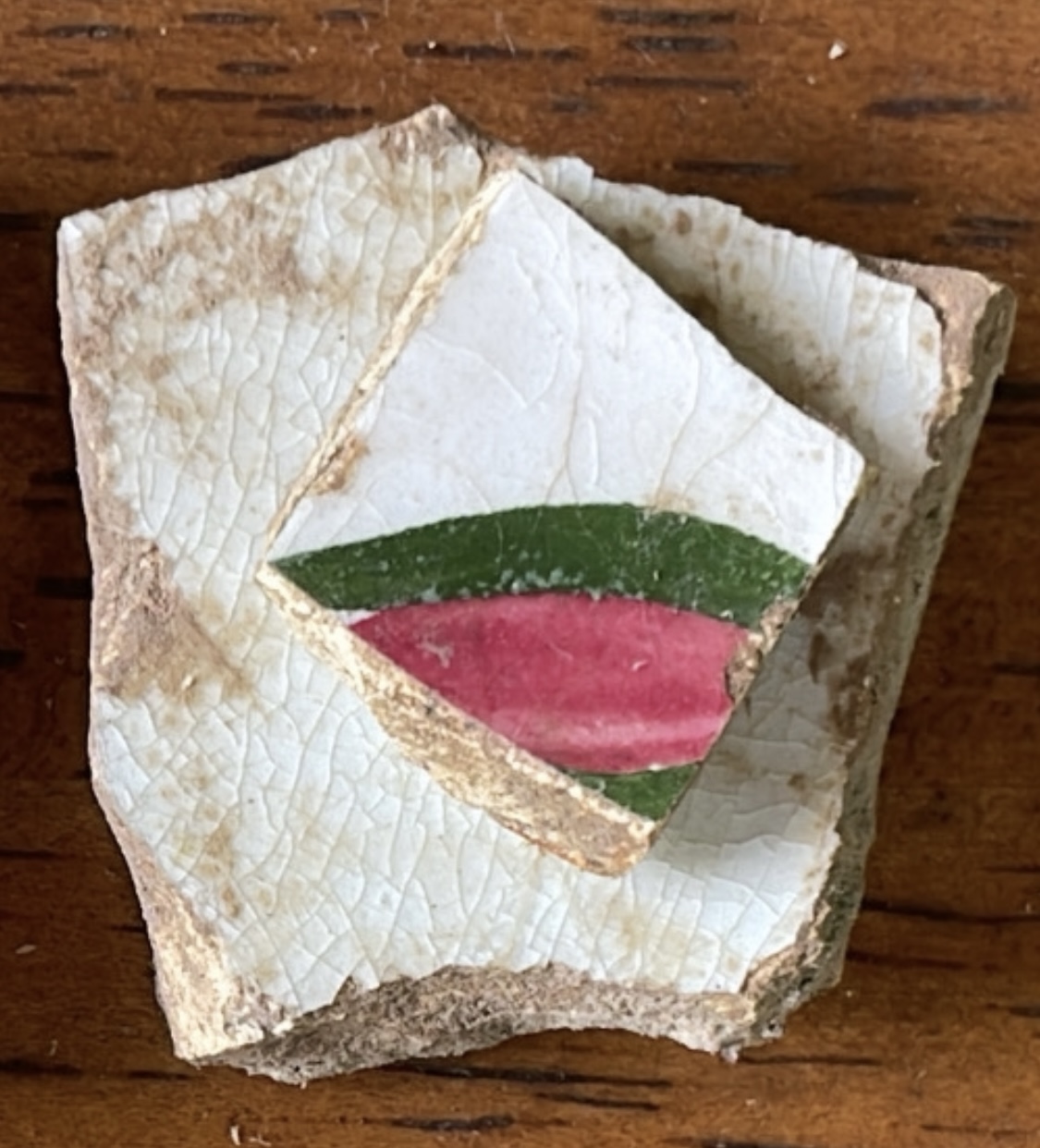
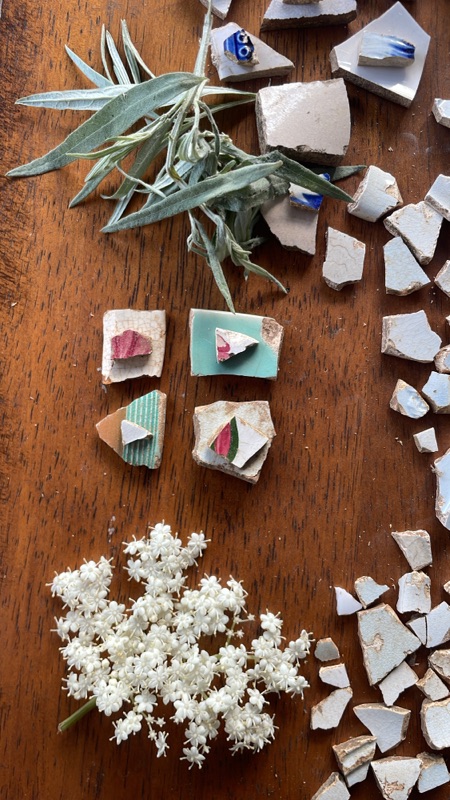
My clear journal pouch with prairie paintings, iridescent cloud hydrocoloid patches, nail art patches, dried elderflower, found prairie ceramics, holographic cellophane, vintage wall paper, bracelet from the zydeco
Friday, July 17, 2026
Tuesday, July 14, 2026

Sunday, July 12, 2026
Saturday, July 11, 2026
Friday, July 10, 2026
Thursday, July 9, 2026
Wednesday, July 8, 2026
Monday, July 6, 2026
Sunday, June 28, 2026
Subscribe to:
Posts
(
Atom
)