
Showing posts with label La Prairie des Femmes. Show all posts
Showing posts with label La Prairie des Femmes. Show all posts
Monday, November 9, 2026

Monday, November 2, 2026
Wednesday, September 23, 2026

Monday, September 21, 2026
Friday, September 18, 2026
Thursday, September 17, 2026
Wife's Prairie


The Matas "barn", Robin Plantation
St. Landry Parish, Louisiana-history and archaeology of a nineteenth century milk house
Sara Anne Hahn Louisiana State University and Agricultural and Mechanical College, 2005
Wednesday, September 9, 2026

Monday, August 24, 2026


Sunday, July 12, 2026
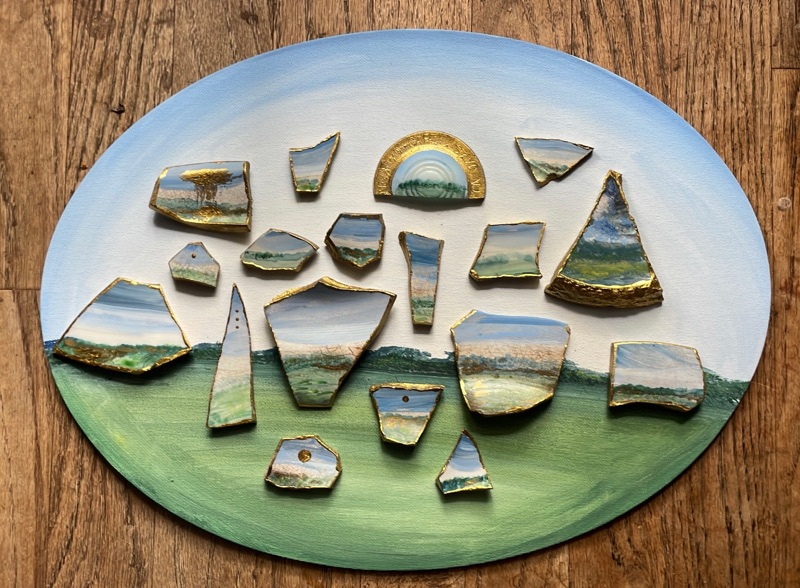

Saturday, July 11, 2026
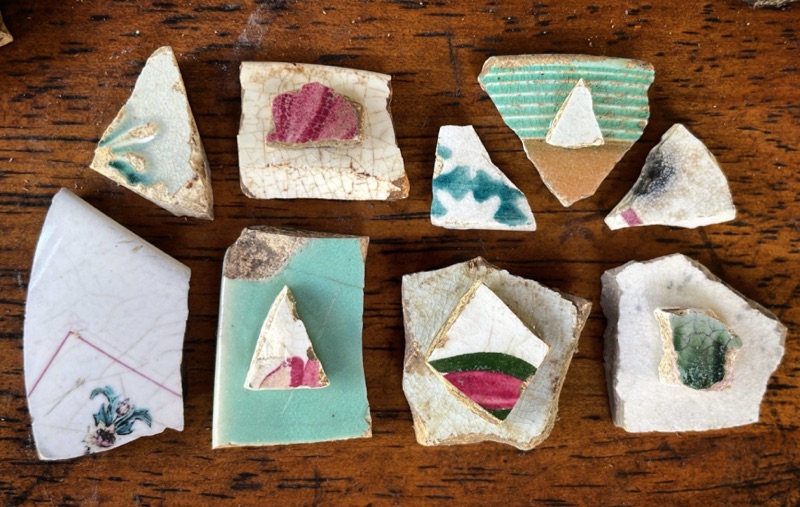
Thursday, July 9, 2026
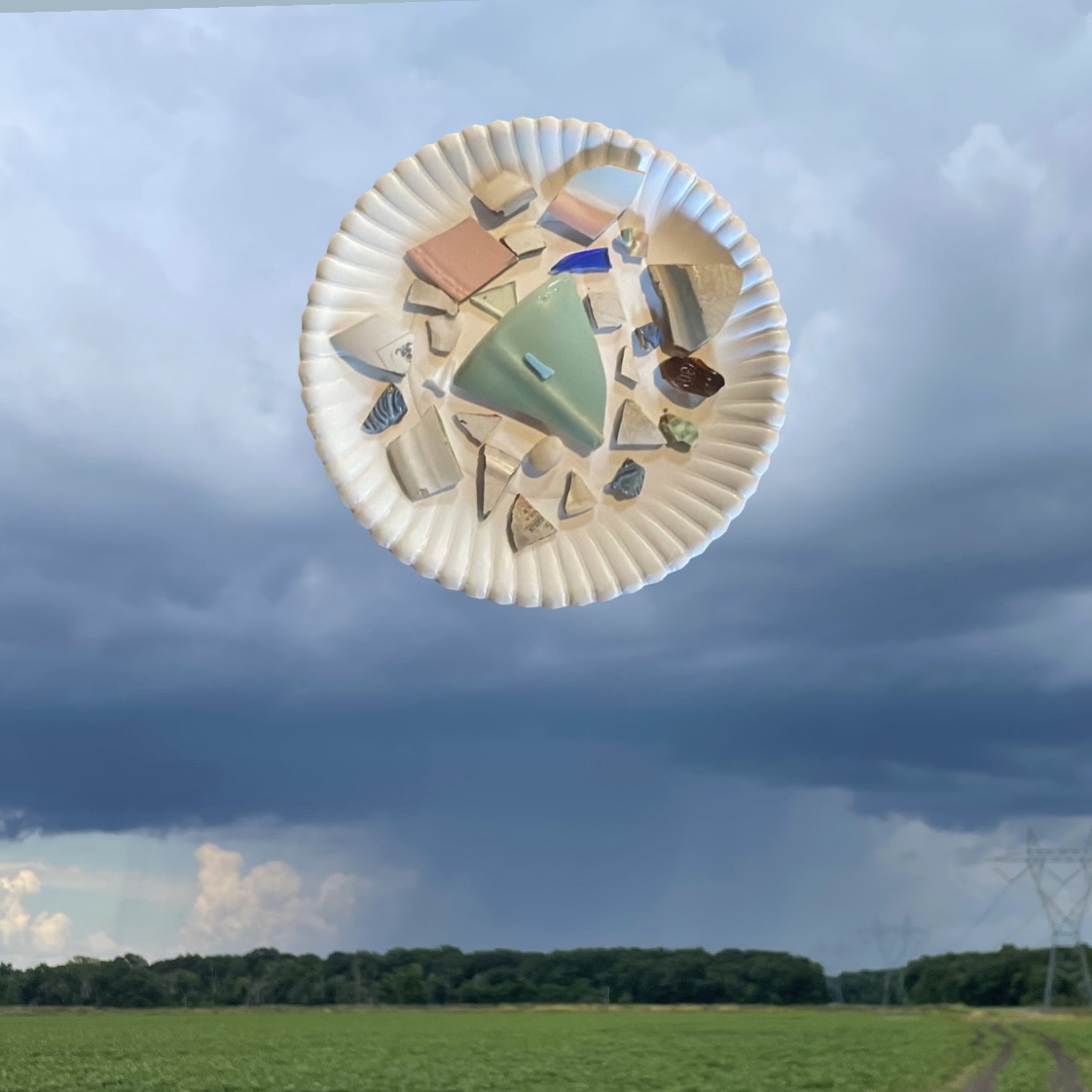
Monday, July 6, 2026

Sunday, June 28, 2026
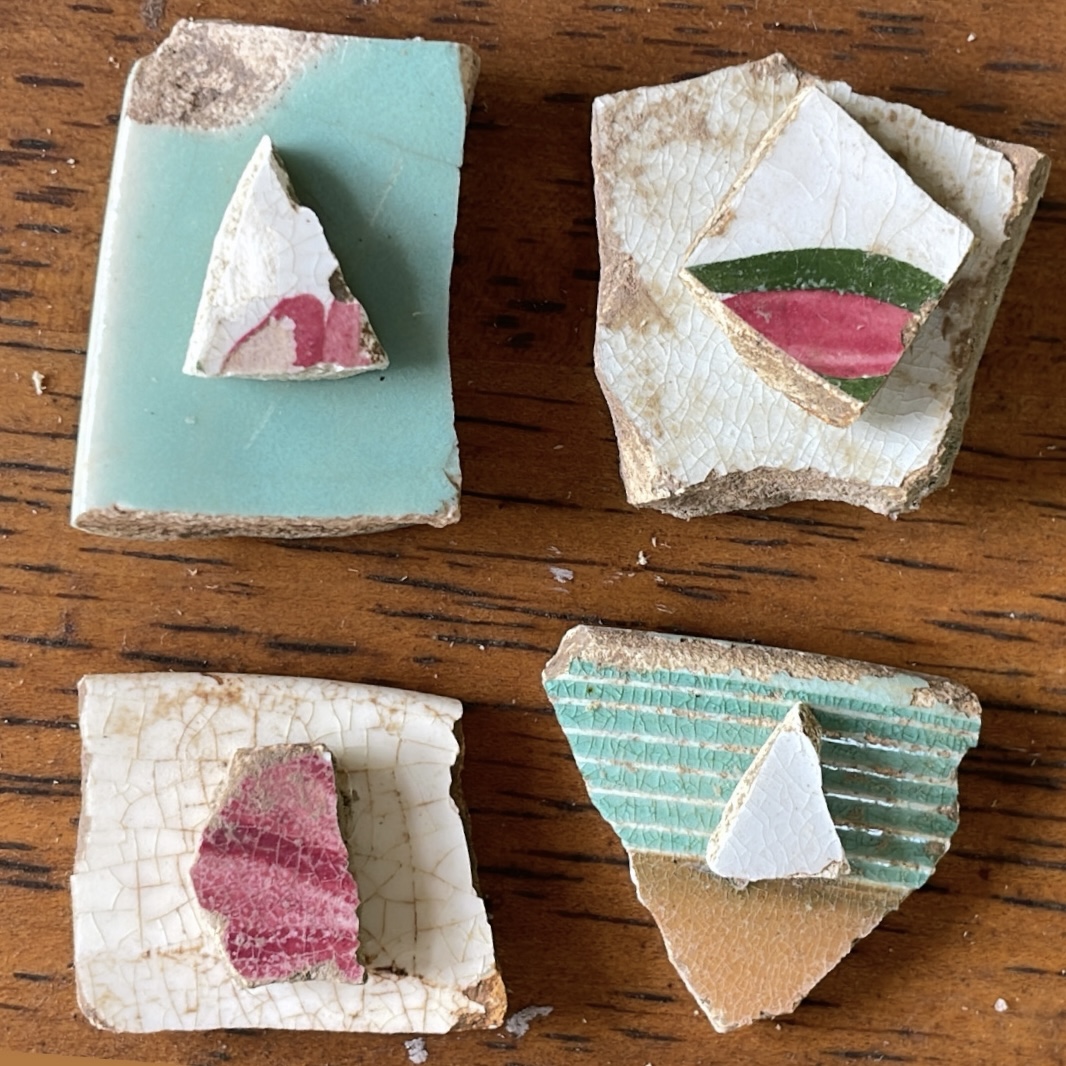
Saturday, June 27, 2026
Siltborn
"Well the rumor is, back in the Indian days, when there was Indians in the territory... we not that far from Opelousas and there was an Opelousas tribe and they claim when the tribe would go to war, they'd come over here and hide their women. That's how they got the name of Prairie of the Women."
Cameron Escoyne and his grandfather | Deer Hunting The Louisiana Bayou | Project Hunt


Friday, June 26, 2026
In the Fields of Prairie des Fermes
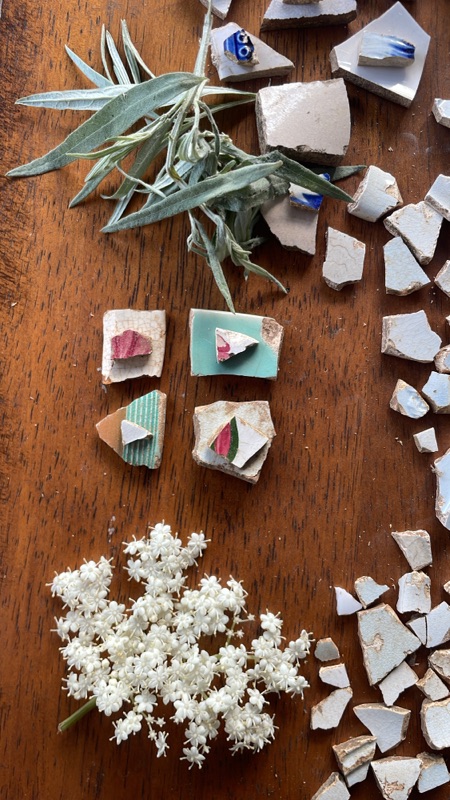
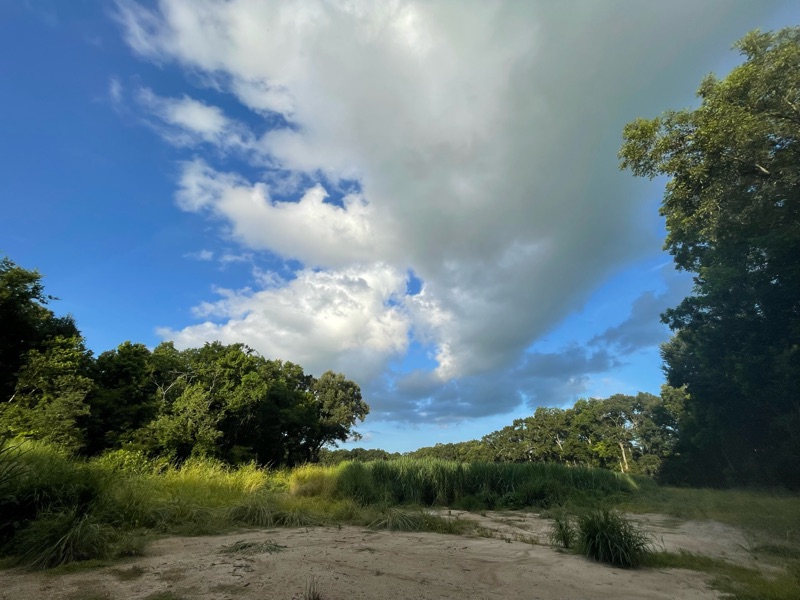
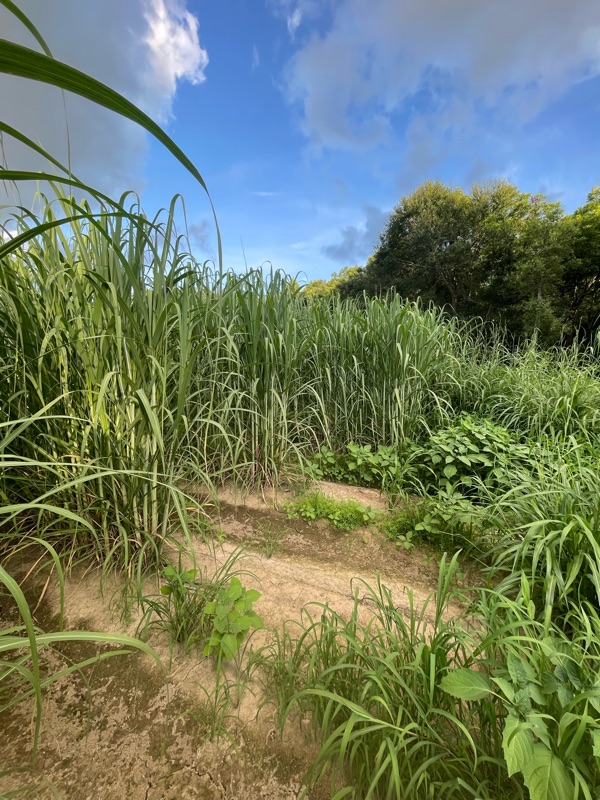
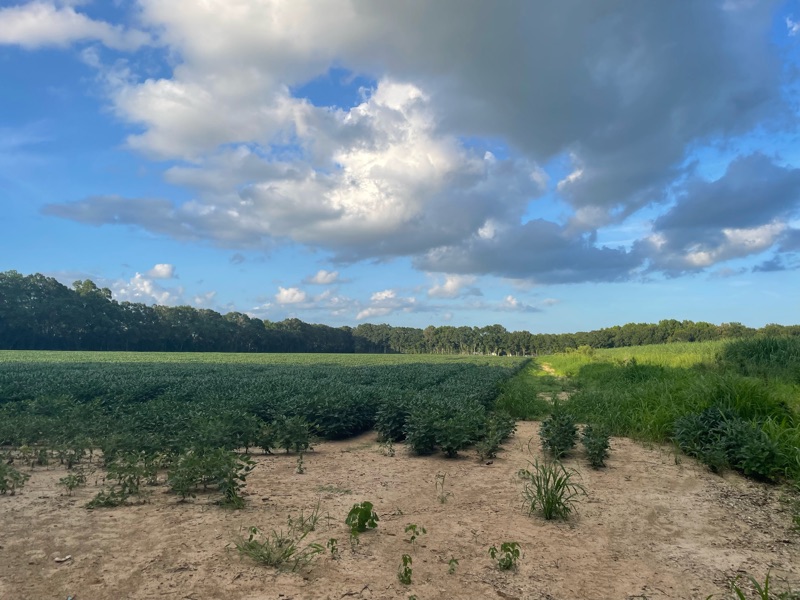
I watch the fields of Prairie des Femmes. They rotate soybean and sorghum most years, with a fallow year in there also. Some of the old timers will call the prairie "Prairie des Fermes" (Prairie of the Farms) because it was and still is an agricultural enclave. Some of the most persistent stories about this place revolve around the women (les femmes) who ran the farms (les fermes) and dairies while the men left to work or fight. However this anecdote is true in most places around the country in war times. The wars that the neighbors have given vary from the Revolutionary War, War of 1812, Civil War, WW1 or 2. Further research suggests that the memory of the prairie is older than American wars and that the wars in question were of the native Opelousas, Chitimacha or Atakapas tribes and may not have been traditional wars at all. Prairie des Femmes was said to be the peace zone between tribes. It is also said the men hid the women back here, or simply went hunting and never came back. Some say they were nomadic and just moved along the Teche while leaving this prairie as the base village for the women and children. It's even more interesting when one considers that we are on the western edge of the Teche Escarpment and tucked behind the ancient alluvial bluffs of Grand Coteau, where the Mississippi itself flowed. I also suspect that Grand Coteau was ceremonial grounds of some sort to the natives of this prairie.
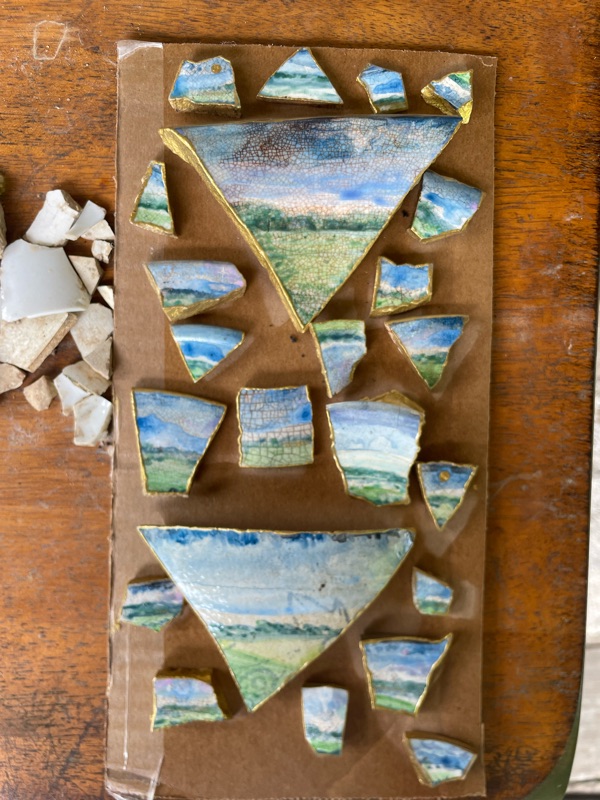
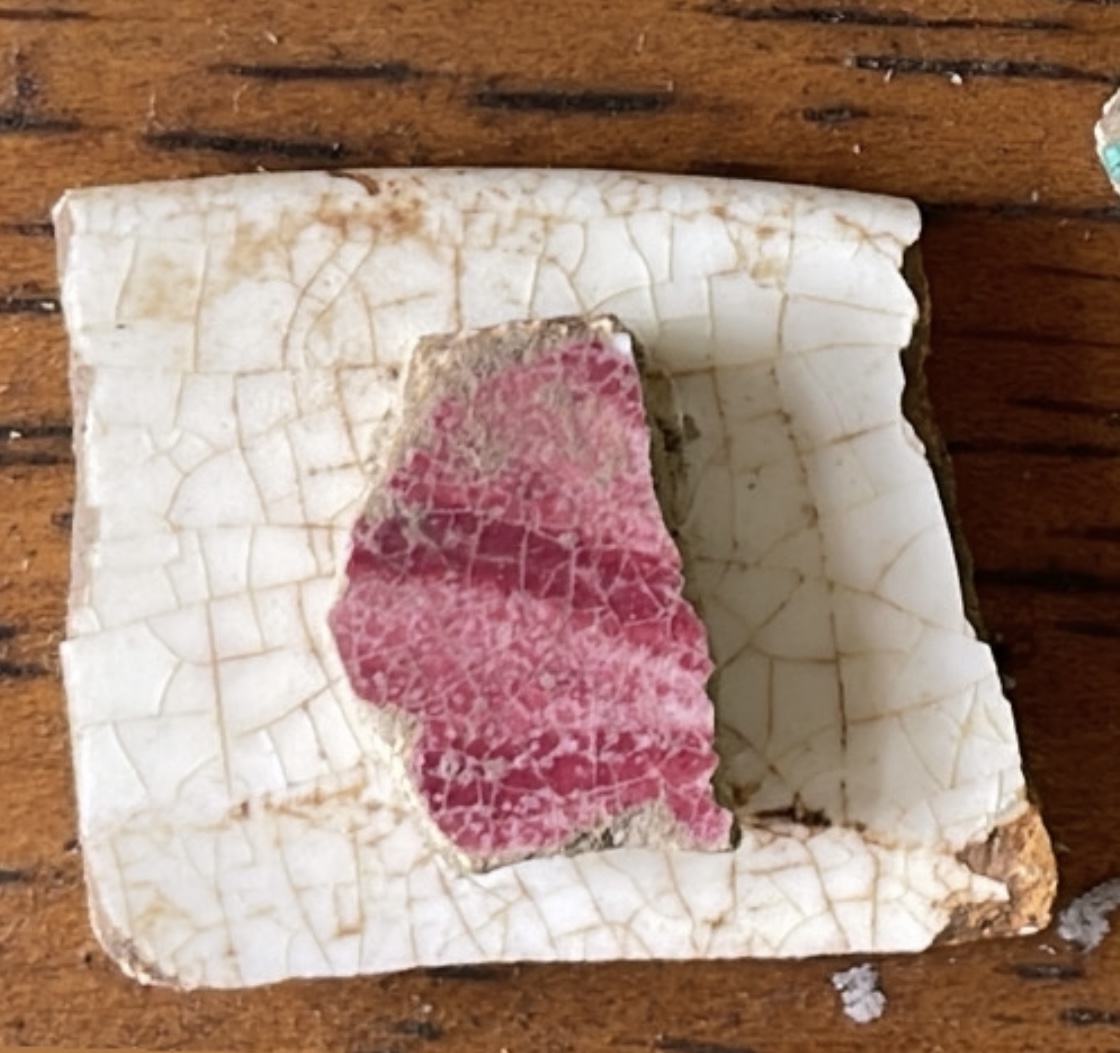
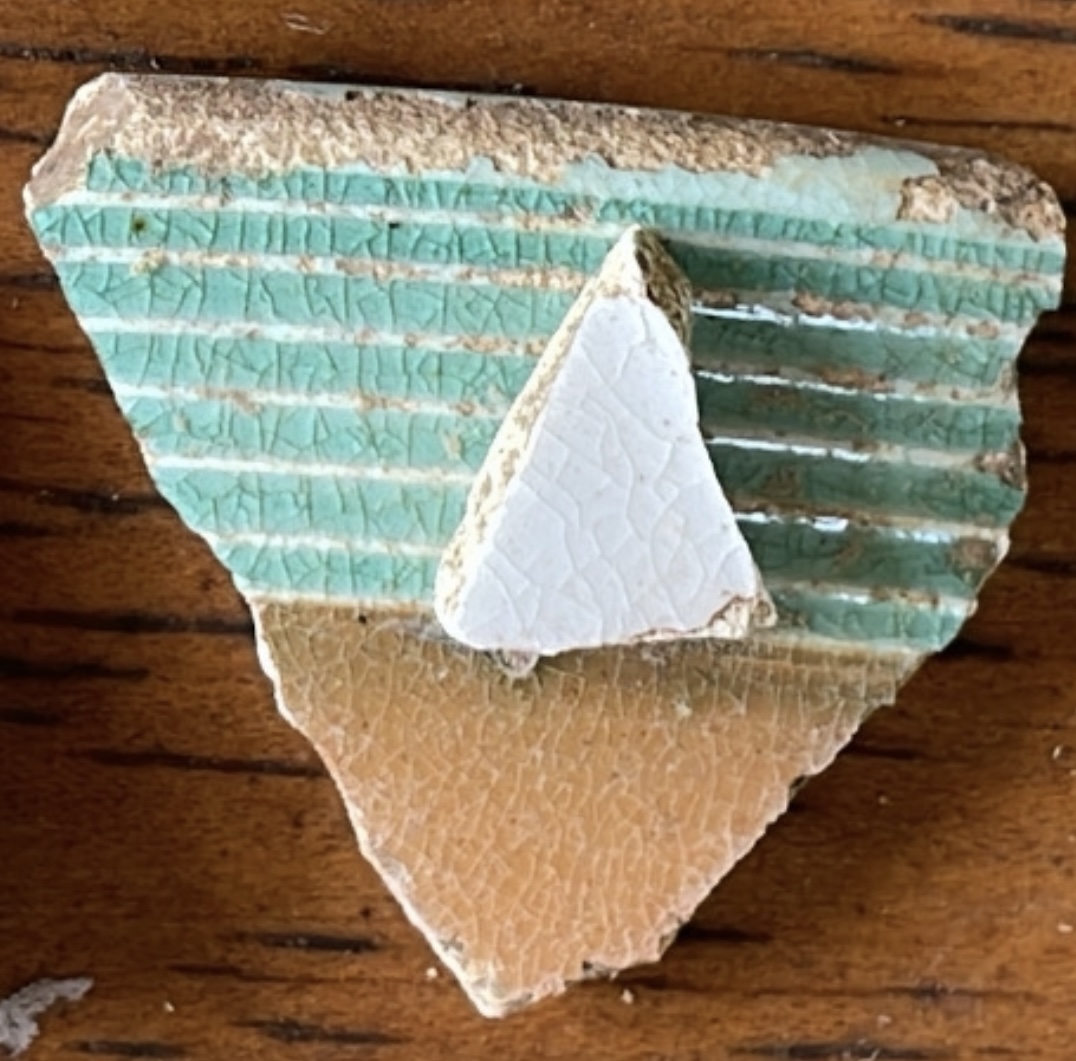
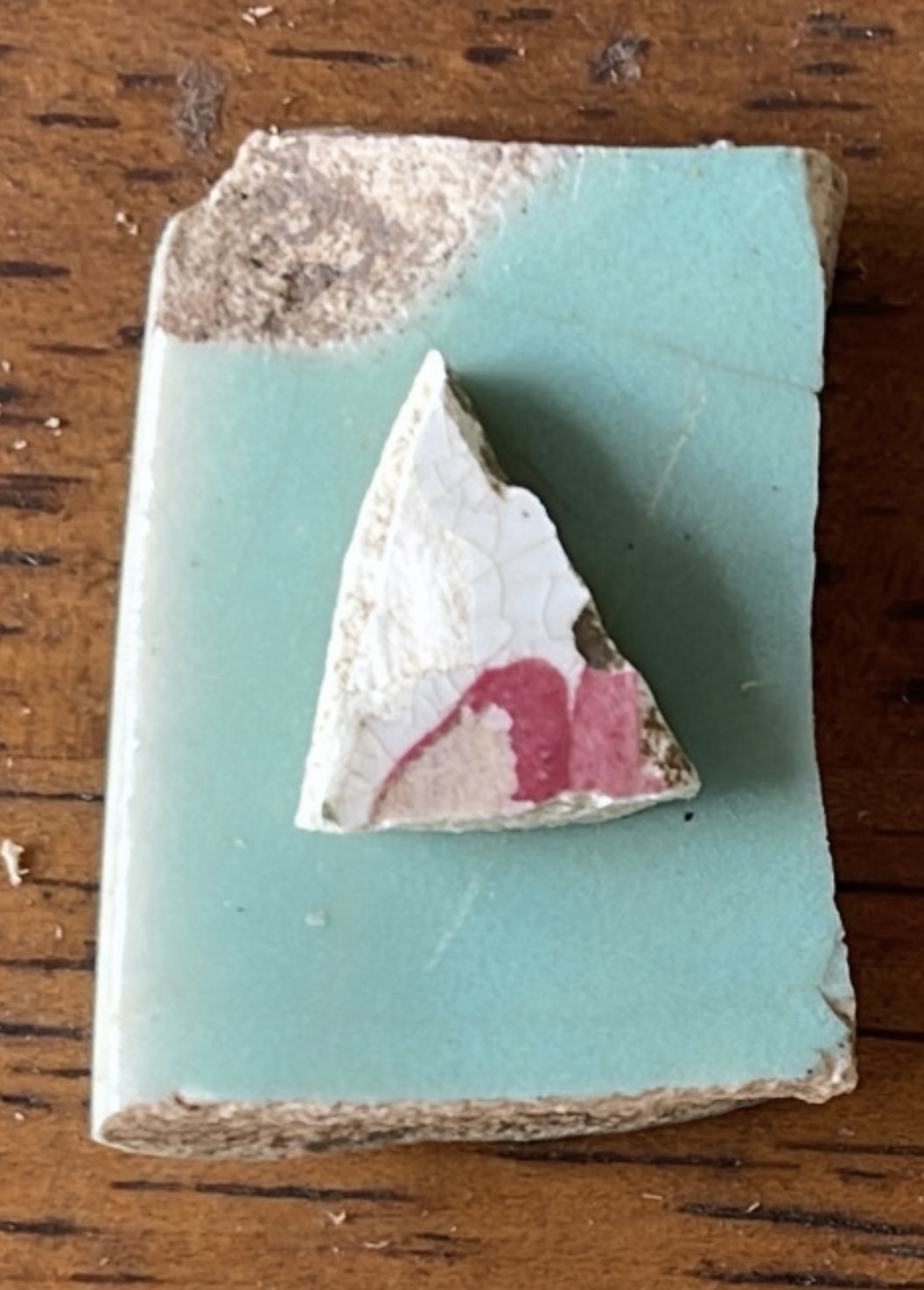
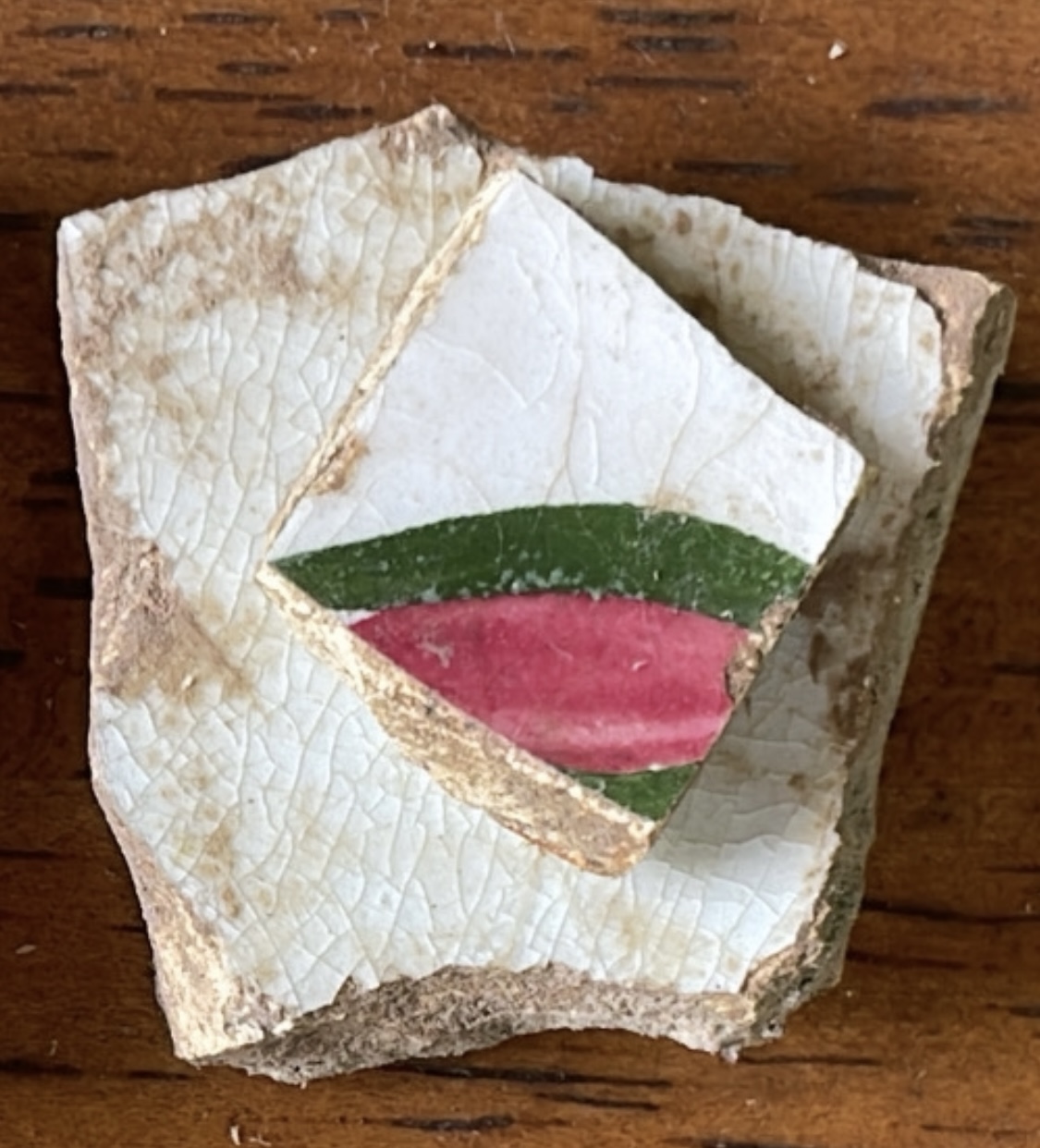
This year there's a special atmosphere along the road because the close fields are in sugarcane and it creates the loveliest (for a prairie girl) vignettes while we search for broken ceramics in the late light of the summer afternoon.
Subscribe to:
Posts
(
Atom
)