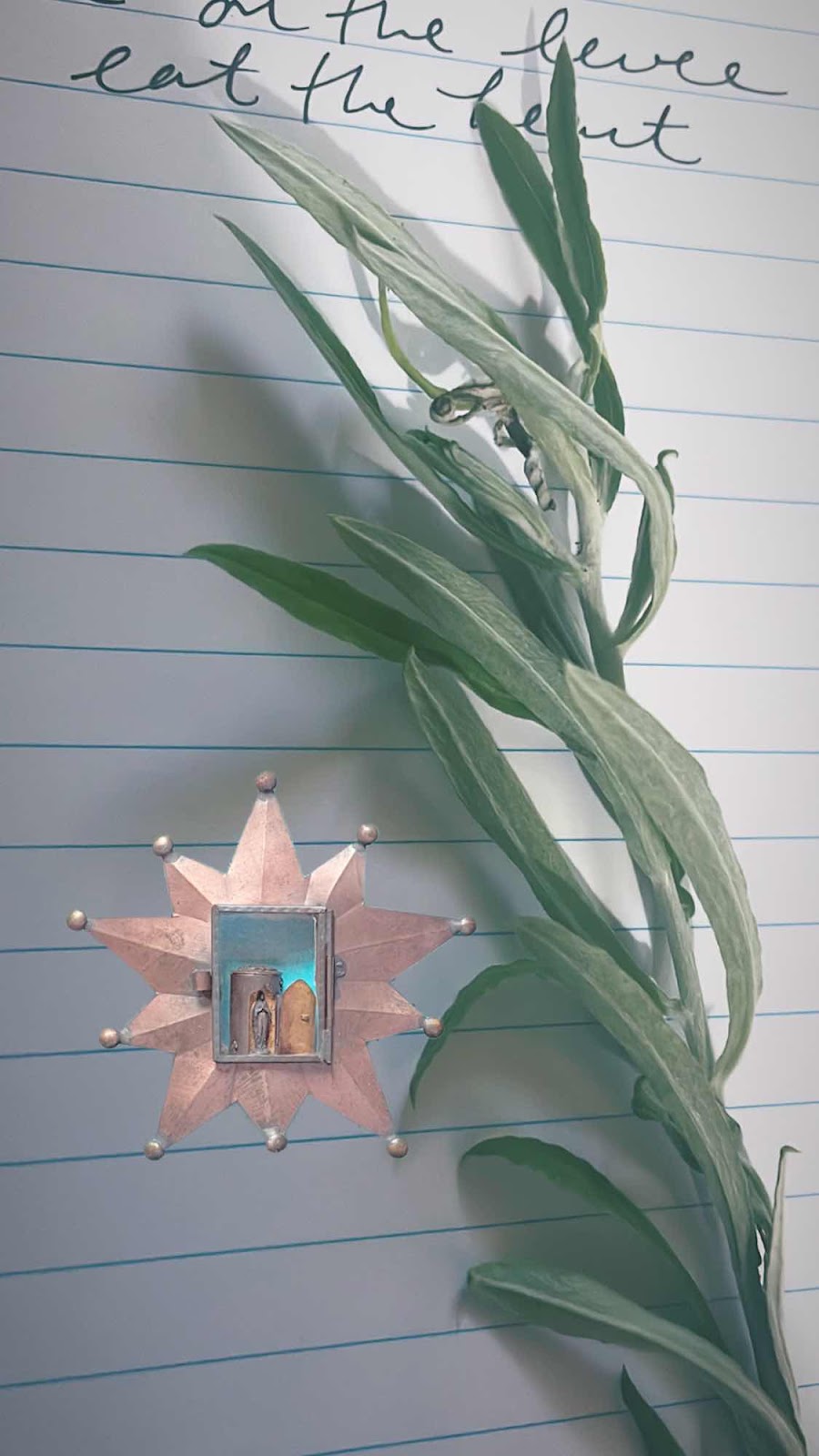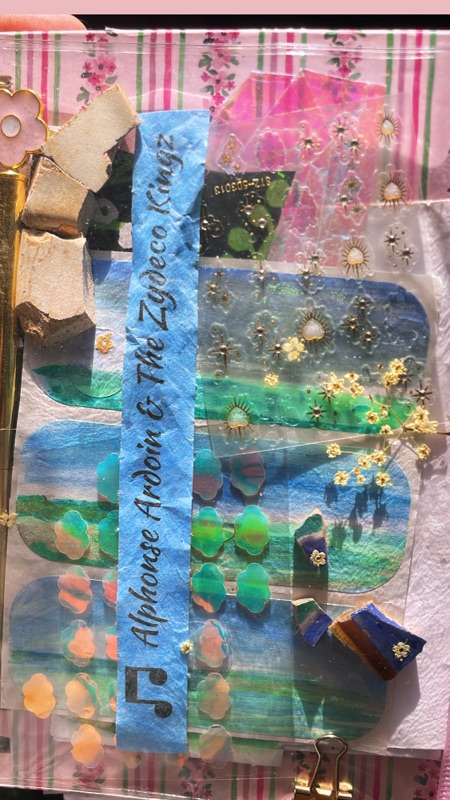
My clear journal pouch with prairie paintings, iridescent cloud hydrocoloid patches, nail art patches, dried elderflower, found prairie ceramics, holographic cellophane, vintage wall paper, bracelet from the zydeco

My clear journal pouch with prairie paintings, iridescent cloud hydrocoloid patches, nail art patches, dried elderflower, found prairie ceramics, holographic cellophane, vintage wall paper, bracelet from the zydeco
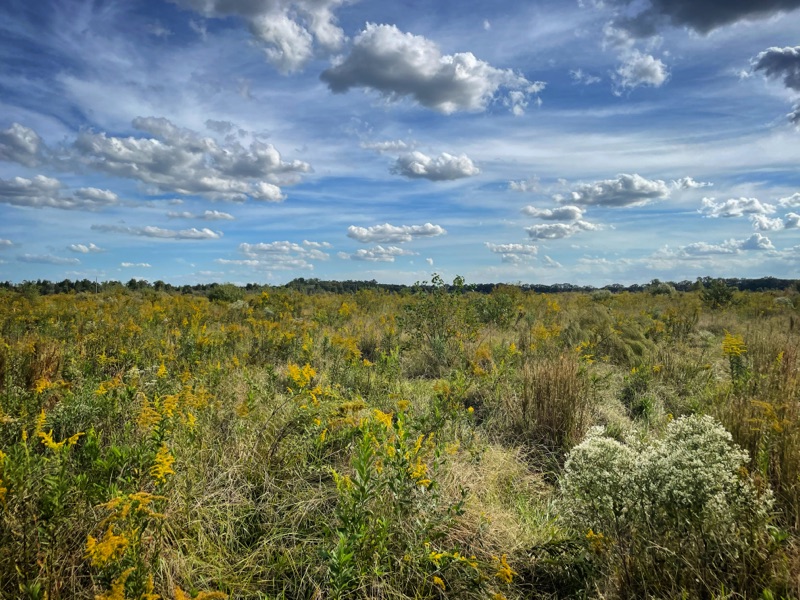
“Crossing the wide prairie, strewn with flowers, whose stems raise them to the height of the horse on which the traveler is riding, surprise follows surprise in this varied vegetation. One rides suddenly upon herds of cattle, who raise their haughty heads above the grass as one rapidly approaches.” (Robin (2000)).
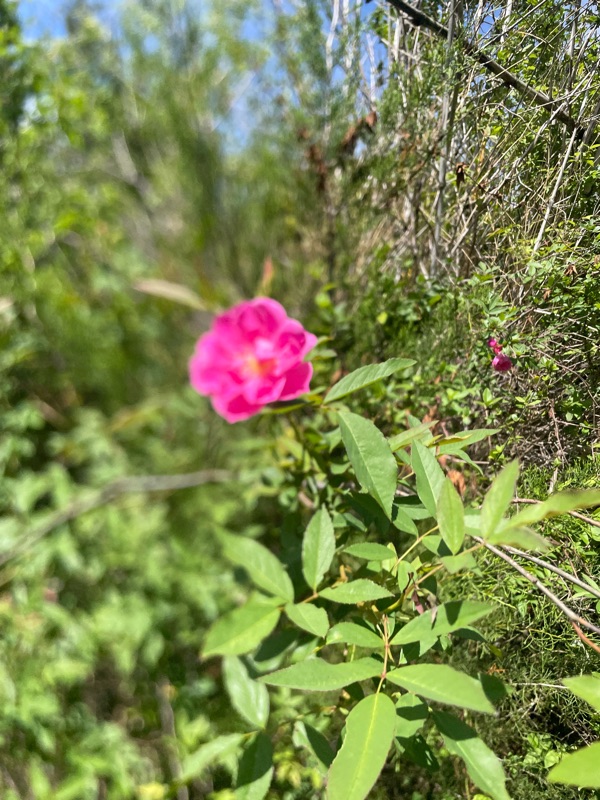
Vale Rosa Palustris
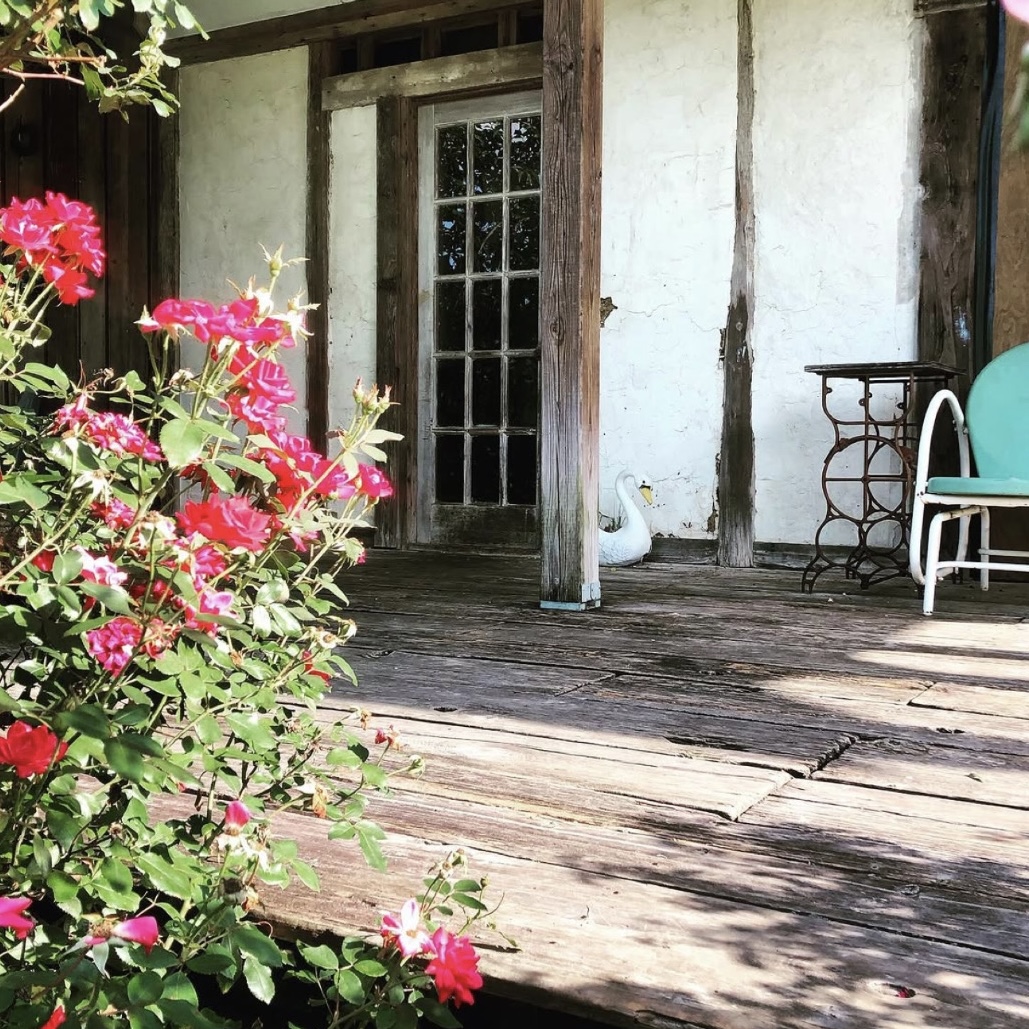
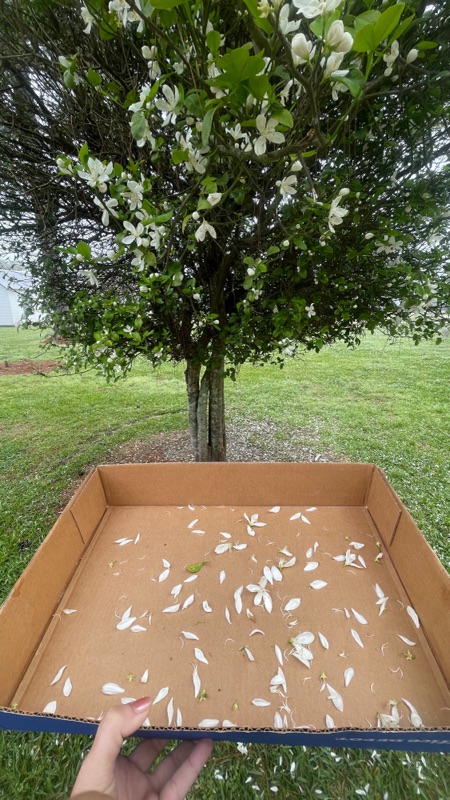
Swamp Rose season comes with the arrival of the painted bunting's persistent song, blue cardinal eggs in the blackberry bush, red Mamou flower shoots, mulberry trees in full fruit. Both the male and female cardinals tend the nest. The mama bird is so intelligent. She has made her nest in a little Celeste fig tree overtaken by blackberry vines. Within the protection of the blackberry bush’s thorny cage, all surrounded with red and green fruit, her nest is suspended. It is next to a blue kiddie pool of fresh water and a few feet from a mulberry tree in full ripeness. There was a big storm from the west last night and the sound of the rain on the metal roof woke me up at midnight and just before sunrise. I wondered how the mama cardinal protected her three baby birds, and imagined she did so with her wings. The rain turned the nasturtium yellow. I repotted it. I am tending a small garden edged with unused firewood and filled with compost from the Saint Landry Parish landfill. There is a blue runner who visits the garden. Daily I check the cardinal nest and the swamp rose blossoms. Often I have to balance myself on an old bathtub covered in honeysuckle vines in the side yard to reach some of the roses before they fall. This year they traveled up the bamboo, so some blossoms are 15 feet up. Their scent is like baby powder, water, citrus, rose and pink pepper. The chirp of the cardinals and the song of the painted bunting always accompany my gathering. This morning there was a big swamp rabbit in the white clover I observed as I pulled out a loaf of bread I had risen all night from the oven. I'll have to leave prairie in a few days to go to New Orleans and reveal myself by speaking about Prairie des Femmes at the Jazz Fest folk like village. I'll miss the observation of the cardinals, the painted bunting's song, the gathering of the swamp roses and ceremonial dew on the morning of May first, as well as the ritual procession and May crowning of Mary at the Academy on the coteau. The girls will wear white and silently process to crown Mater with flowers. We present her with a bouquet of blue Louisiana irises at the grotto while we sing the Magnificat in rounds.
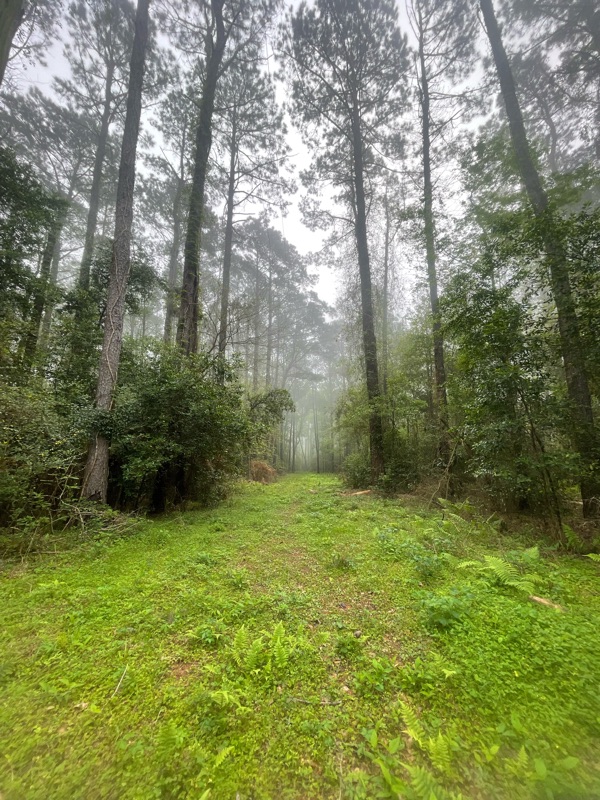
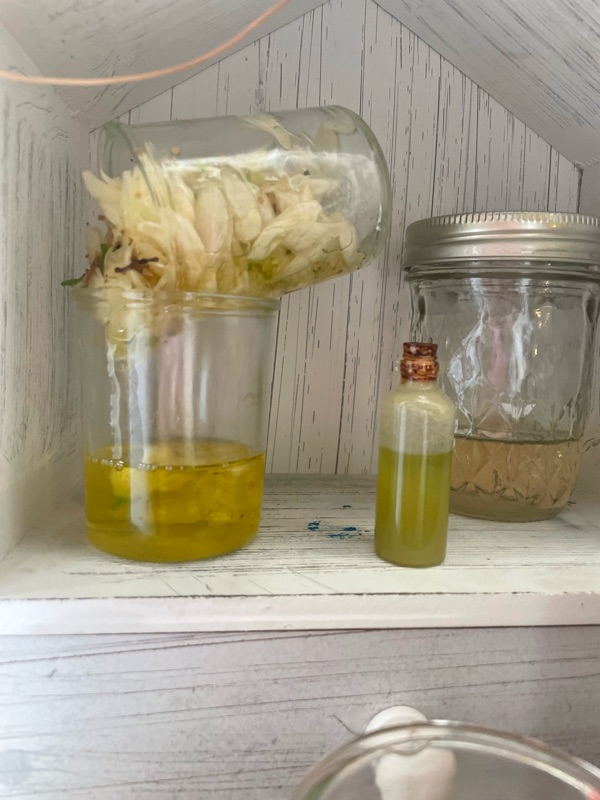
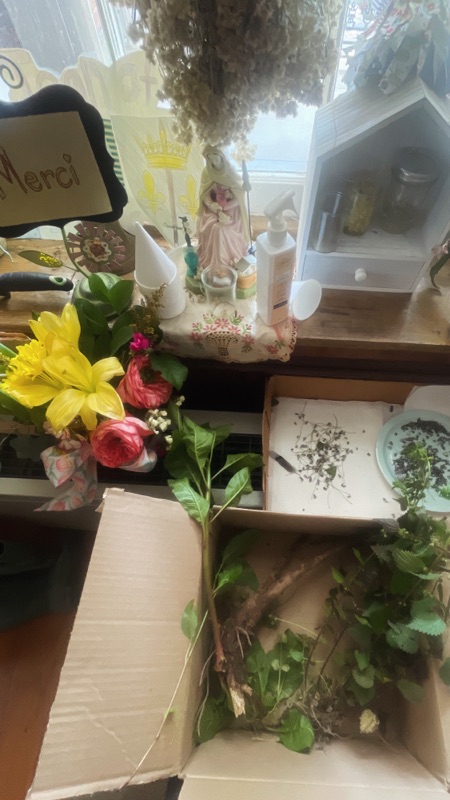
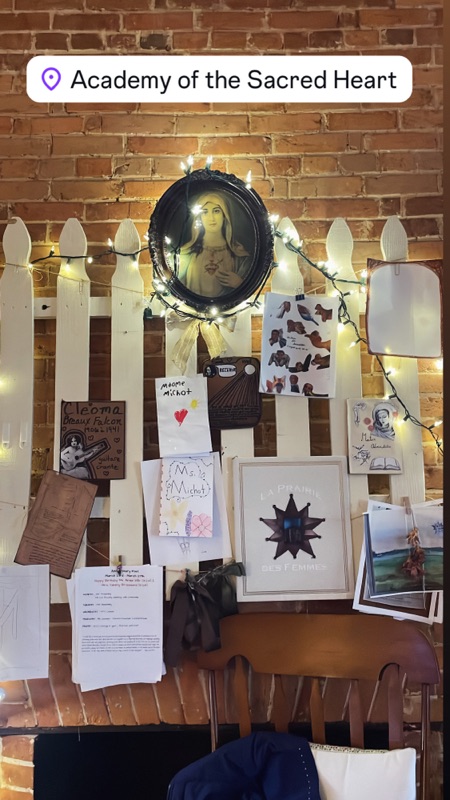
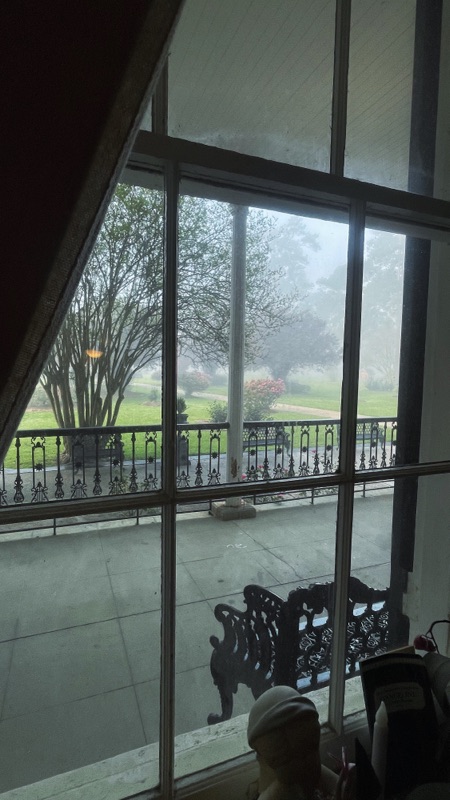
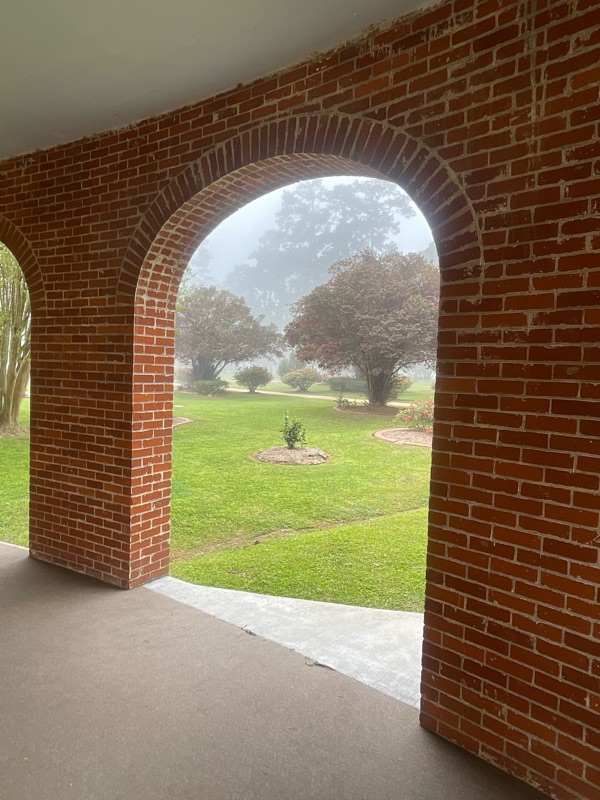
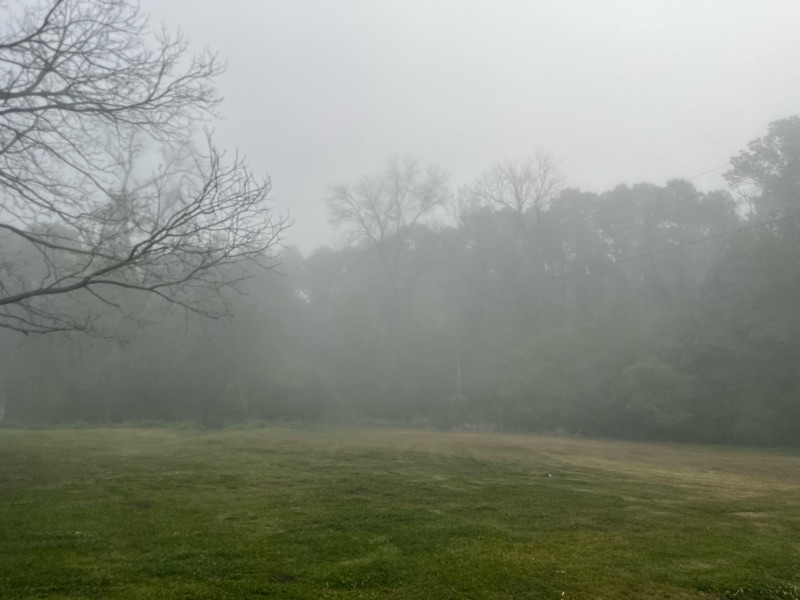
Half a bird egg shell in the garden
A pine knot, a berl
3 droplets of clear sap
Swamp rose petals and mamou flower in my apron pocket
2nd grade girls on the chapel steps in their white first communion dresses and veils
Gouter at 2:45- chocolate chip cookies
Pseudognaphalium Obsusifolium
I had never lived in the country before my wedding day in summer 2006 when I moved permanently out to the Prairie des Femmes. We picked a spot about ten acres back in an overgrown sweet potato field for our house because it was nearest to the only cypress tree in the tree line. The prairie was like the wild bush to me, a city girl from the Chataignier side of Ville Platte.
The fields of my new home were full of wildflowers. I couldn't decide which season had more, the spring or the Louisiana autumn, which is like a second spring and showier. Thanks to Louisiana’s mild winters we are rarely if ever without access to some flower and I learned them all.
There was blue vervain and goldenrod, white boneset and blue mist flower. There were low plants like the common rabbit tobacco (purple cudweed), healing plantain, aromatics like the sassafras, bay laurel, and anise farouche that I loved to pick and smell on our walks. There were bitter bushes like the medicinal manglier for tea and wax myrtle for dark green winter bouquets and to render balsam-scented wax from their dusty berries. There were wild edibles such as the dandelion, thistle, dewberry, blackberry, mulberry and black cherry for cherry bounce. We planted one thousand native trees, cedar, cypress, copal, persimmon, live oak and pecan in a ring around the property. It protected our little prairie and not only created habitat, but also a buffer at the edges. Over the years due to this care, the back pasture feels like a dome in the way it echos sound and memory.
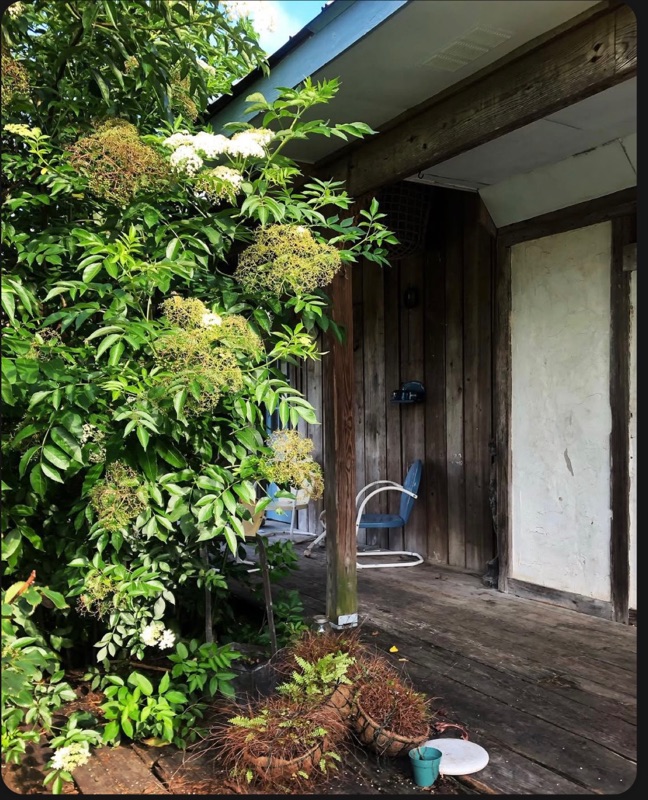
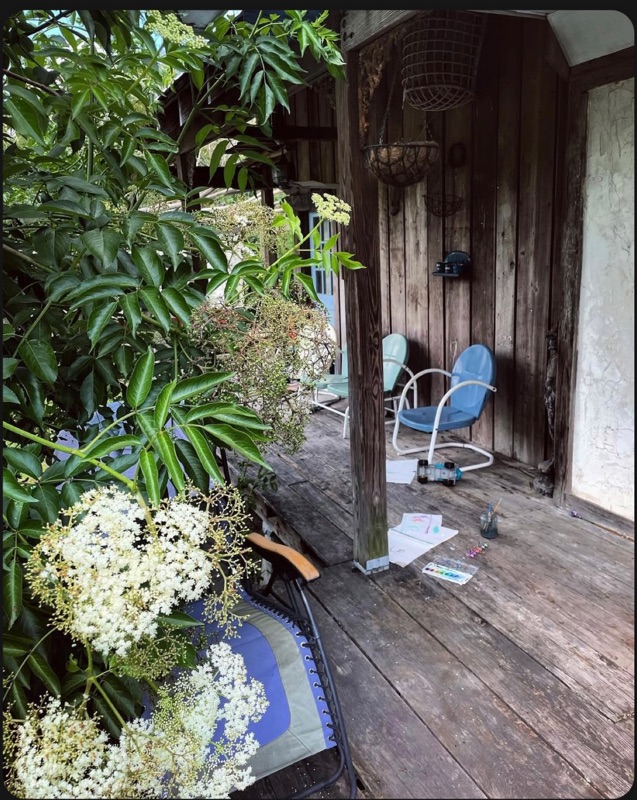
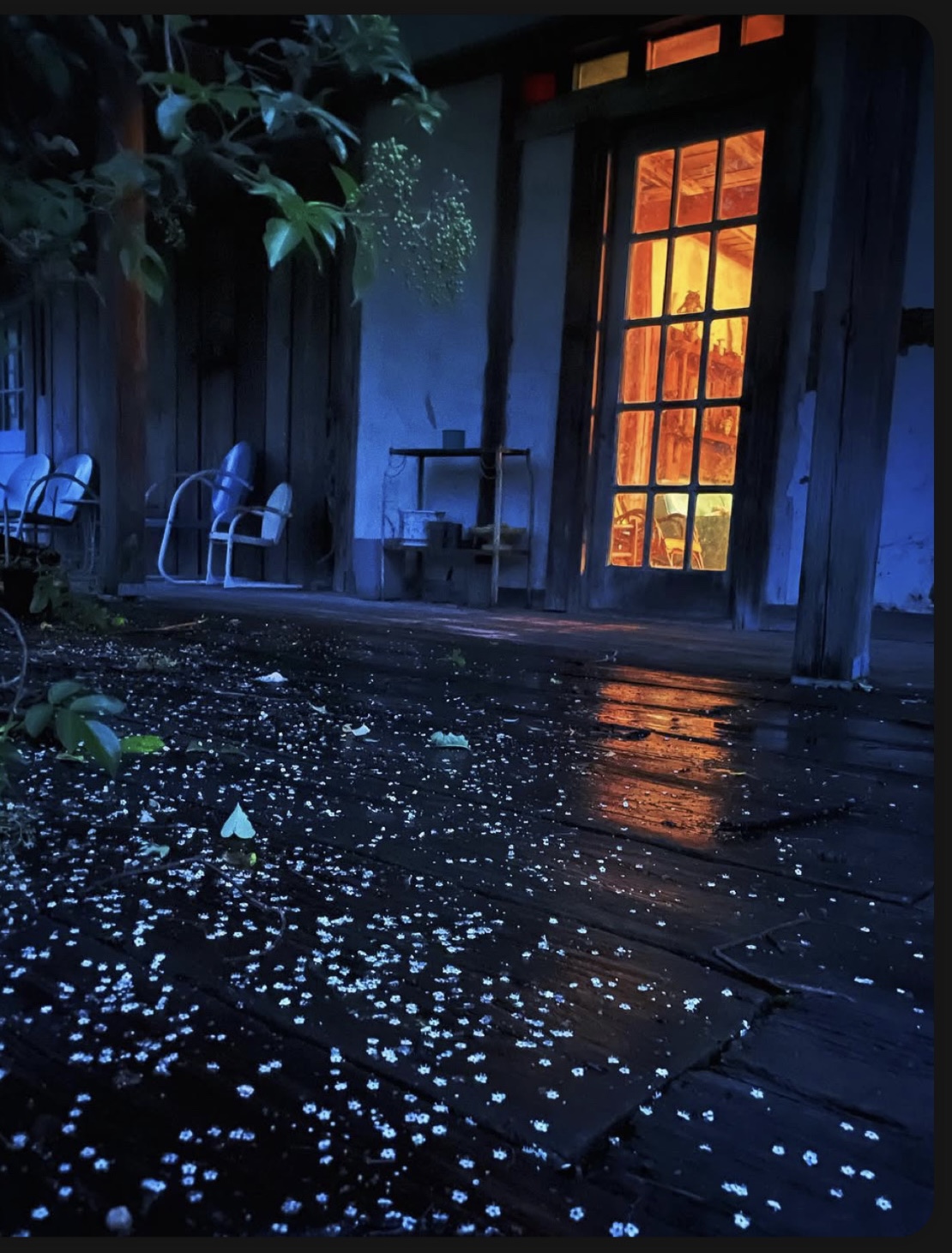
In the yard we grow fig, orange, satsuma, lemon, plum and peach trees. There is a large elderberry that has volunteered after my foraging, and she shades our porch and gives us medicine twice a year in reciprocity for keeping her feet wet. One day I remember seeing that the medicinal plants were pushing their way thorough and over every crack in our shabby fence, and how we let them in. Honeysuckle and peppervine, vermilion irises, morning glory, trumpet flower, chaspareille, and dewberry all grow along a fence line, the leaves and tendrils waving wildly. There were plants who introduced themselves through sight and some through scent.The more I listened the more the plants spoke to me, usually by smell.
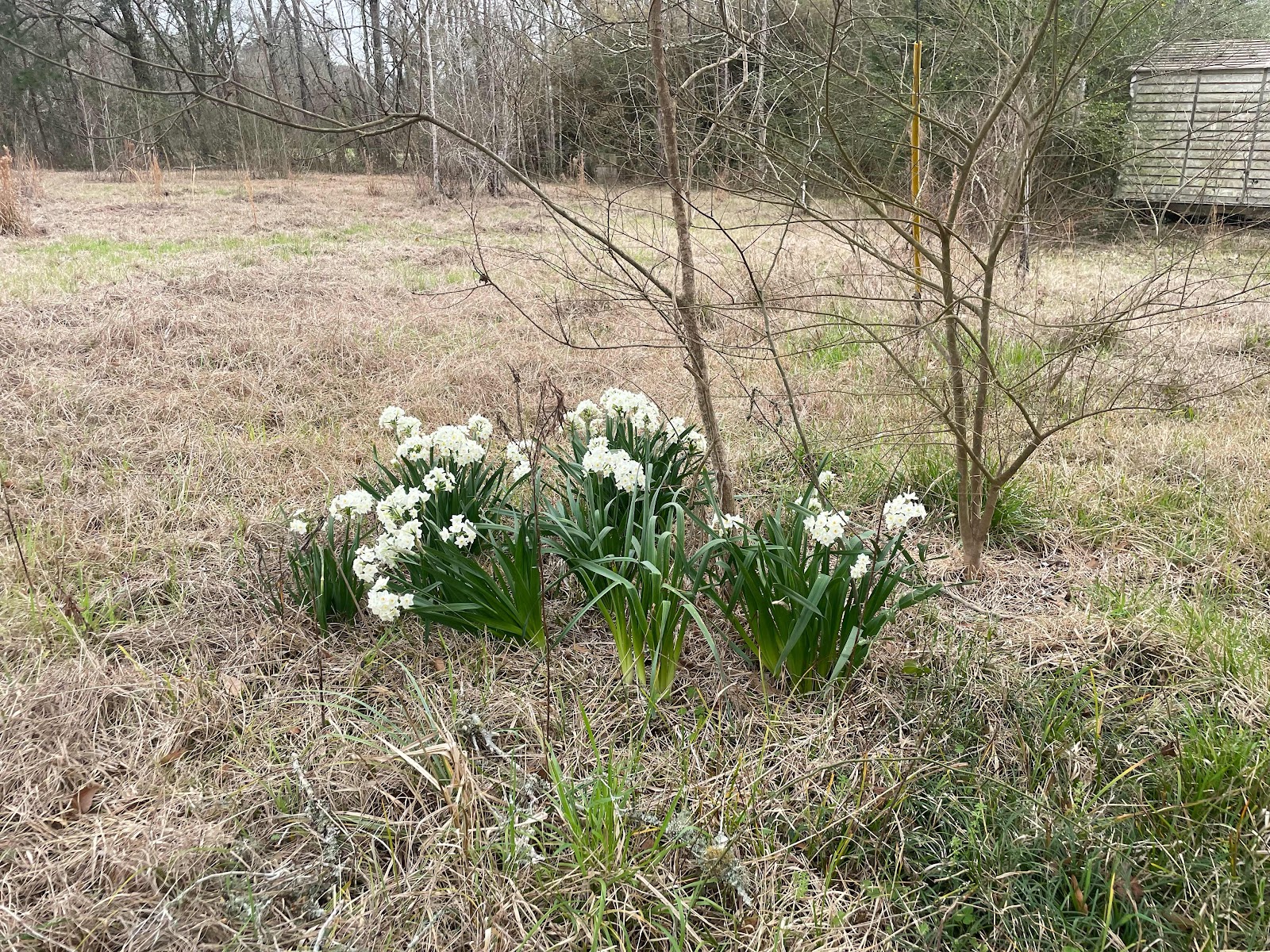
I knew the bounty of this place, despite that it had been an overworked sweet potato field left to go fallow. The more I honored the land, the more the plants grew. The more I listened, the more I heard. Louis talked to the trees, admiring them and willing their growth. He taught me the patterns and I learned to admire them as he did. The more edge and diversity we allowed, the more birds came to our land. I remember the day a painted bunting came and stayed, coming back to roost every summer and teaching me its call, flight patterns, charms. I could differentiate bird songs, identify trees and their patterns against the sky. I can tell you where in the prairie the old homesteads were by the irises and narcissus that push up in the early spring, by the wisteria that hangs wildly to the canopy, leaving violet trails through the dark wood. The more I watched the moon, ritualized the seasons, listened to the coyotes, collected rain water, learned the names, the more I could hear myself. Unknown instincts and memories told me to give offerings and return all fertility to the earth. In the silence of the place I could hear, and the ancestors of this land knew I was trying my best to steward it and honor their memory. This, too, made the land flourish.
During my walks in the afternoon there were patches of still warm and cool air and in this way, caught in the stillness, a smell like herbal maple syrup. I let my nose investigate and after some days of discernment, I found the unassuming little plant, life everlasting, known in Louisiana as vinéraire.