
Thursday, February 20, 2025

Monday, February 17, 2025
Wednesday, February 12, 2025
La Prairie a une Mémoire
The Prairie Has a Memory
Ashlee Wilson, 2024
La prairie a une mémoire. The prairie has a memory.
The prairie has a memory. Places retain une souvenance of what was before. There is memory in the presence of the plants that remain, the seeds in the ground, and if we are present enough it is revealed. In our stewardship of this environment we are invited to remember. The indigenous tribes of Louisiana were masters at management practices such as prairie burning and worked with the seasons and cycles of the year to maximize productivity with minimal impact. In colonial times settlers traveled by ship across oceans and made linguistic parallels between the prairie landscape and the open sea. Despite the decline of this habitat, the prairie retains its memory and so do we.
The feminine imagery displayed across the Cajun Prairie in the form of Marian grottos is a visible symbol of our reverence for the feminine as well as the deeper indigenous matriarchy that permeates our cultural memory. Cultures over the world recognize water goddesses as protectoresses over long voyages. In South Louisiana perhaps the most visible of these is Our Lady of the Assumption, known in Acadian culture as the Maris Stella or Star of the Sea, but also in Yemayá, the Yoruba water goddess.
The prairie has an outer and inner life. On the visible outside the folklore is French, American, Cajun or Creole, but underneath the deep-rooted grasses there are native seeds, as well as sacred indigenous relics that remain. Research of the origin of the name Prairie des Femmes (Prairie of the Women) has led to the story of it being a place where indigenous women stayed when their men left. This research has also manifested on a personal level into a tangible reverence for the land and recognition of the fragility of the loss of not just the prairie soils, but also the stories and the languages that existed here.
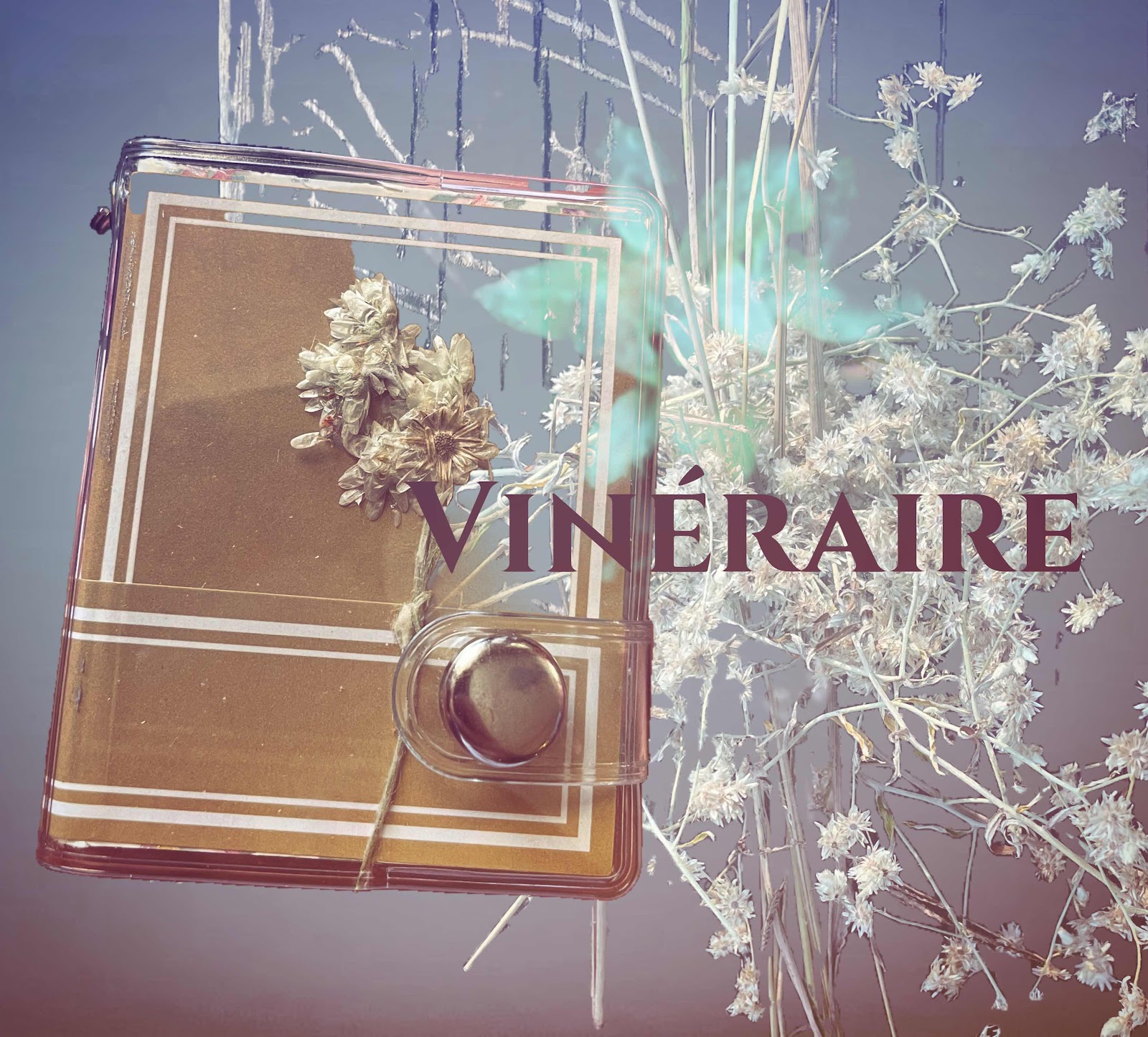
My act of restoration for the prairie has been to inhabit the Prairie des Femmes and act as a scribe for her folklore as well as a steward by encouraging her native flora and fauna. One of the proofs of this work has been the appearance in my overworked sweet potato field of the native medicinal pseudognaphalium obtousifolium, fragrant rabbit tobacco, known locally as vinéraire (vulneraire). I found it by its fragrance in the back of my prairie in 2011, and in a similar way to the gathering of Prairie des Femmes origin stories, I have begun to share this medicine with locals who have memories and need of it.
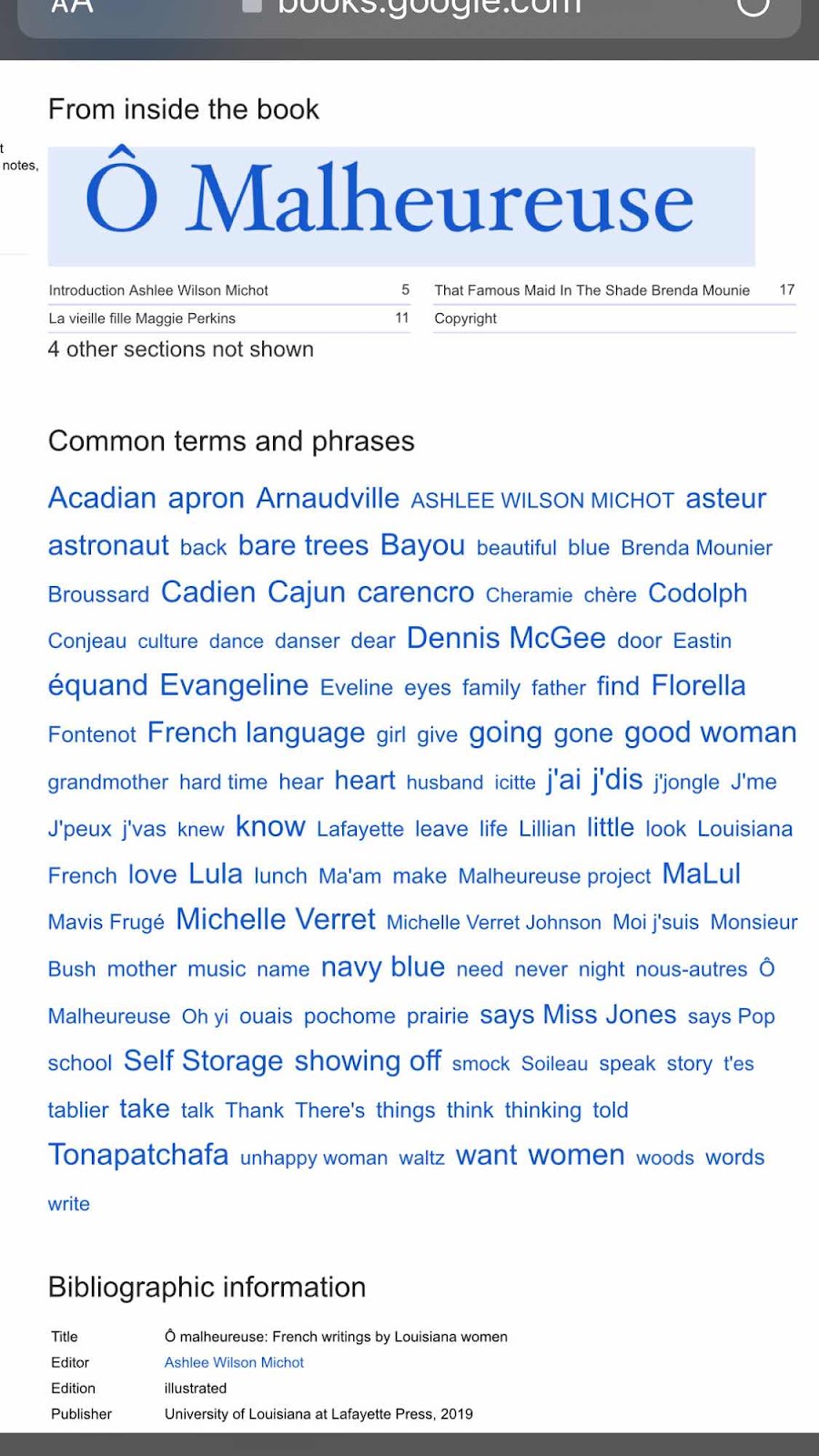
Ashlee Wilson, a native of Ville Platte, Louisiana, is a teacher, artist, and self-taught Louisiana French speaker. She is widely recognized for her writing, photography, and visual journals documenting her journey in learning Louisiana French, as well as her work with native plants and folk herbalism. Ashlee created the Prairie des Femmes blog in 2012 to chronicle daily life on her historical prairie. She is also the author of The Plains of Mary (2014) and the Ô Malheureuse collection (2019, UL Press). She currently teaches French at the Academy of the Sacred Heart in Grand Coteau.
The Prairie Has a Memory pays homage to her home, La Prairie des Femmes, in St. Landry Parish. This historic prairie, documented in records from the mid- to late 18th century, lies near the boundaries of the Attakapas-Ishak and Opelousas territories, just east of the sacred hills of Grand Coteau. Once a sweet potato farm, the land has become a site of restoration under Ashlee’s care. For over 20 years, she and her family have cultivated native plants, reintroduced traditional land stewardship practices such as periodic burns, minimal mowing, and abstaining from chemical herbicides, all in an effort to restore the prairie’s natural balance and preserve its memory.
Saturday, December 14, 2024
Thursday, December 12, 2024
Wednesday, December 11, 2024

Tuesday, December 10, 2024

Monday, December 9, 2024

Saturday, December 7, 2024

Thursday, December 5, 2024

Sunday, December 1, 2024
Saturday, November 30, 2024
Monday, November 25, 2024
Comme la Femme dit
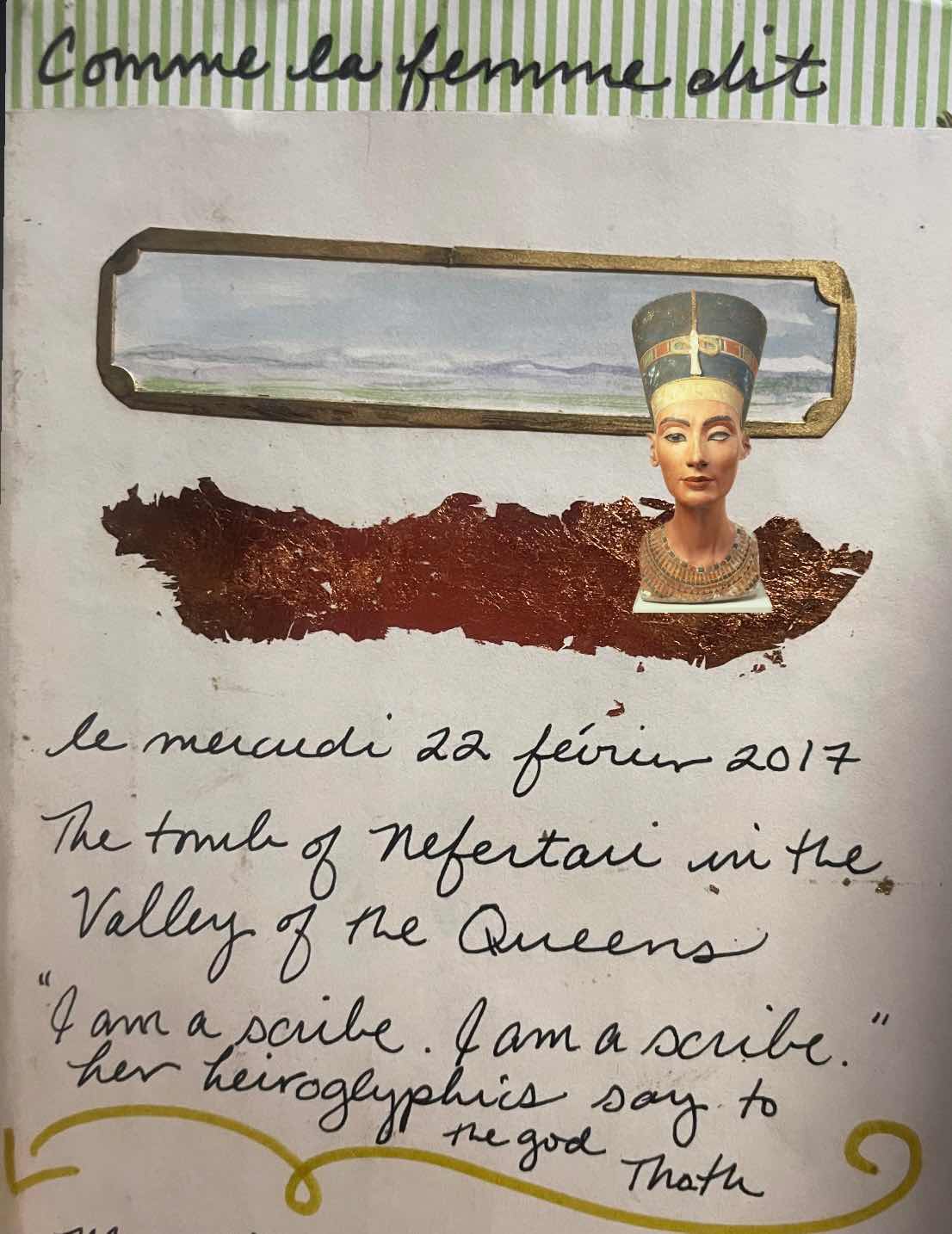
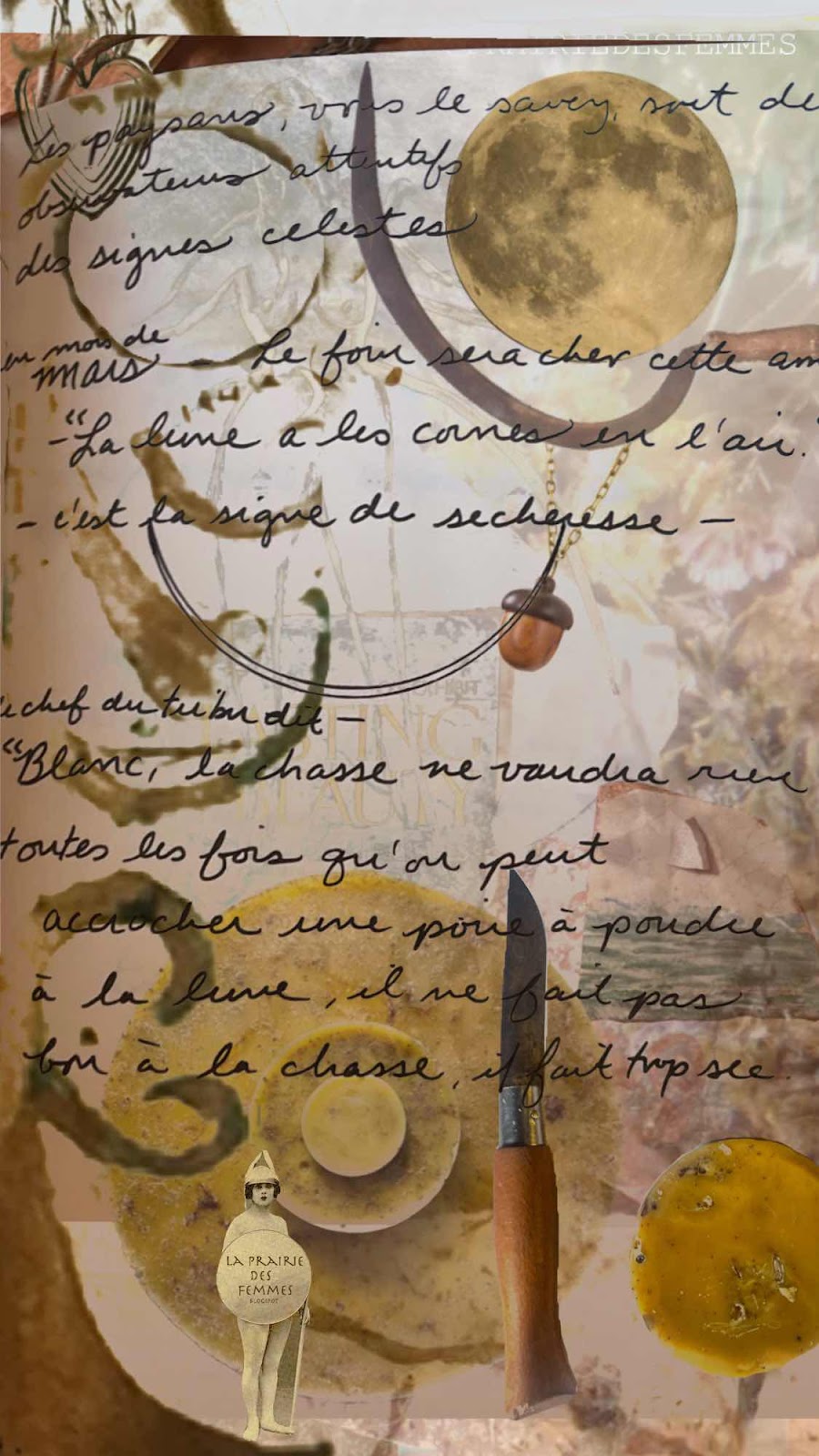
From the Egyptian Book of the Dead Chapter 94, Prairie des Femmes Journal 2-2016, Tomb of Nefertari #pdfjournalaew






Sunday, November 17, 2024
Saturday, November 16, 2024
Friday, November 15, 2024
Wednesday, November 13, 2024

Monday, November 11, 2024
Sunday, November 10, 2024
Tuesday, November 5, 2024
Sunday, November 3, 2024
Tuesday, October 29, 2024

Monday, October 28, 2024
Maison Blanche

Maison Blanche
Moi je reste dans un mobile home
Mais tous les soirs je rêve de ma maison blanche
Moi j'ai une femme et un ti-garçon
Et j'aimerais les mettre dans ma maison blanche
Moi j'veux pas d'être president
Mais j'aimerais rester dans ma maison blanche.
Moi j'veux pas d'être le president
Mais j'aimerais rester dans ma maison blanche.
Ma Maison Blanche
Thursday, October 24, 2024

Thursday, October 17, 2024


Tuesday, October 15, 2024
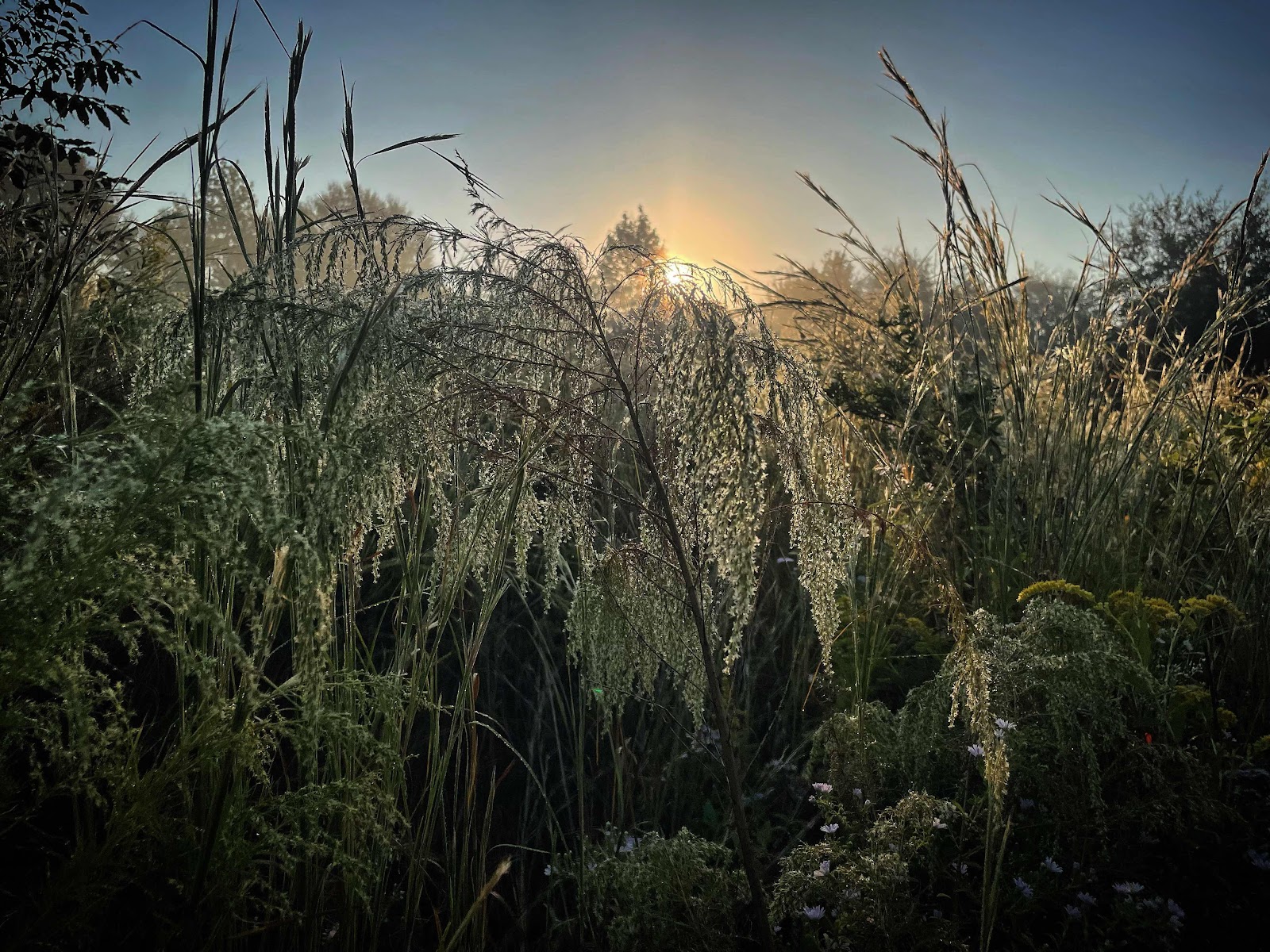
Il était une fois dans la Louisiane
Il était une fois
dans la Louisiane
une place qui s’appelle
la prairie des femmes
Sunday, September 15, 2024

Origin of Grand Coteau
Grand Coteau, La.
The origin of Grand Coteau dates back to 1821, when Sieur
Charles Smith, a large land owner in this section, donated land to
the church for a convent. The convent was founded by Mother Eugenie.
Aude and called “Grand Coteau.” In 1837 St. Charles College was
built. The settlement that grew up around the two schools was
originally called “St. Charles Town,” but later became known | as
Grand Coteau, the name it still holds today.
Opelousas Place Name
Some origin stories I have heard about Opelousas name:
1. It was briefly mentioned to me once a long time ago that someone said they heard it was believed it is from "la pelouse" (the lawn in French). I don't think this is a correct origin, but is an interesting view onto the French lens applied to native named things in Louisiana (think sac-a-lait). I only mention it for thoroughness, because everyone knows Opelousas is a native place.
2. Opelousas is known to be a native place, named for the tribe of Ishak who called themselves or their place Opelousas (black leg).
a. black leg because - the natives walked the tea colored swamp water (Leonard swamp) and other bayous. The tannins in the water made their legs dark.
b. black leg because the natives had dark skin
c. black leg because the natives walked the burned prairies and the soot made their legs black
d. black leg referring to salt water?
e. vpi lusa /black stem (oppaloosa) - aster. This is also known as the Symphyotrichum lanceolatum /panicled aster. The Choctaw name for it is vpi lusa (black stem). The elder who brought the plant told me that it's where he believed the name Opelousas. Unsure if this is passed down information or based on similarity of the name.
- information relayed from Dr. Ian Tompson of the Choctaw Nation of Oklaholma
-through Dustin Fuqua
 |
| photo Pete Gregory |
*Note Attakapas-Ishak is the preferred name of the tribe today, and
One hundred and fifty years ago April 10, 1805, St. Landry Parish was officially established by an act of legislature. In 1690 the first white man is believed to have settled in
Opelousas, which is the parish seat, thus making Opelousas one of the oldest settlements
in these United States, The name of the first settler has not come down to us, but he was
undoubtedly a Frenchman.
The Attakapas Indians were here - this was their land, They had chosen for their
camping grounds the site of the city of Opelousas, because of its location on high land
above the flood level. From legends comes the story of how Opelousas was named.
The Attakapas were {RUMORED TO BE} a cannabalistic tribe, fierce and warlike, and they: preyed upon the
neighboring tribes who dwelled along the high bluff that we call the Grand Coteau ridge.
There were three tribes - the Opelousas, the Choctaws, and the Alabamans. They held a
counsel and decided to try and wipe out the Attakapas, who were constantly making war
with them. So together the three tribes waged war upon the Attakapas and finally succeeded
in driving them from their lands, destroying almost the entire tribe of Attakapas Indians.
The few who escaped with their lives flew to the south, and made their camping-grounds in
the regions of what is now St, Martin parish.
The three tribes then made a pact and gave the land of the Attakapas to the Opelousas
Indians, and thereafter the territory was called ‘‘Opelousas”’, as the land below it was cal=
led “Attakapas"’.
‘For their main campsite the Opelousas tribe chose the high land on which the present
city of Opelousas is located. The exact spot has by tradition been established as the
grounds of the old Academy of the Immaculate Conception, on the north end of town. Some
years past there was here a small mound with a pine tree Standing on it, and this was said
to be the lookout post. Many arrowheads have been turned up on lands nearby, and also
fear this same spot are some very old springs.
The name “‘Opelousas’ has been given many meanings, but the one most commonly
accepted is ‘‘Blackleg’’ -- possibly the tribe painted their legs a dark color. Other trans-
Tations are “Blackfoot’’, and ‘‘Man with black leg’’. Still another translation is ‘‘Salt
Water,’’ which alludes to the fact that from here south the land lowers to the Gulf of Mex-
ico and ‘‘saltwater’’,
Olivier Plantation
OLIVIER PLANTATION HOUSE on Bayou Bourbeaux in Prairie des Femmes, as viewed here, shows it to have been a typical river plantation house that was similar to those built by most of the early French settlers in Louisiana. The view is-from.the rear and shows the carriage entrance. A pigeoniere stands oneither side of the house. The present Olivier home, which is also a very old one, is said to have been moved out to its present location from the town of Grand Coteau. All of these old photographs loaned to us by the Oliviers are of especial interest in that they are arranged for viewing with a stereoscope, which makes the pictures thus seen three-dimensional -and very sharp and clear although they are yellowed with age.
KING COTTON Goes To J & W SIBILLE CO. In Sunset

Saturday, September 14, 2024
Prairie Des Femmes Water Corporation
Prairie Des Femmes Water Corporation constructs and operates a water distribution system within and for that part of the area within the confines of St. Martin Parish lying within the following area:
Beginning at a point which is the confluence of Bayou Carencro, Bayou Fuselier and the Vermilion River; said point also being the common boundary of St. Landry Parish, St. Martin Parish and Lafayette Parish; thence following the meanderings of Bayou Fuselier in a northerly direction to its intersection with Bayou Bourbeaux; thence following the meanderings of Bayou Bourbeaux in a northwesterly direction to its intersection with the centerline of Louisiana Highway 93; thence in a westerly direction along the centerline of Louisiana Highway 93, a distance of 5,400 feet; thence in a due north direction for a distance of 7,000 feet to Bayou Bourbeaux; thence following the meanderings of Bayou Bourbeaux in a northwesterly direction to its intersection with Coulee de Marks; thence following the meanderings of Coulee de Marks in an easterly than a south-easterly direction to its intersection with Bayou Fuselier; thence following the meanderings of Bayou Fuselier in a south-easterly direction to its intersection with the western corporate limits of the Town of Arnaudville; thence southerly along the western corporate limits line and a projection thereof to the intersection with the centerline of Bayou Pont Brule; thence following the meanderings of Bayou Pont Brule in a southwestern then southerly direction to its intersection with the Lafayette Parish-St. Martin Parish Line; thence westerly along said parish boundary line to its intersection with the centerline of the Vermilion River; thence following the meanderings of the Vermilion River in a north-westerly direction to its intersection with Bayou Carencro and Bayou Fuselier which is the point of beginning.
La Pointe Claire
General belief is that Pointe Claire was a clear, open grassland in the cove directly east and bordering la Prairie des Femmes. To arrive at the Pointe Claire from the Prairie des Femmes cross the Coulee des Marks at Marks Bridge, and travel north on Jules LaGrange until it intersects Hwy 347. To the west one will intersect Leonville and the Bayou Têche, and to the east toward Arnaudville is la Pointe Claire.
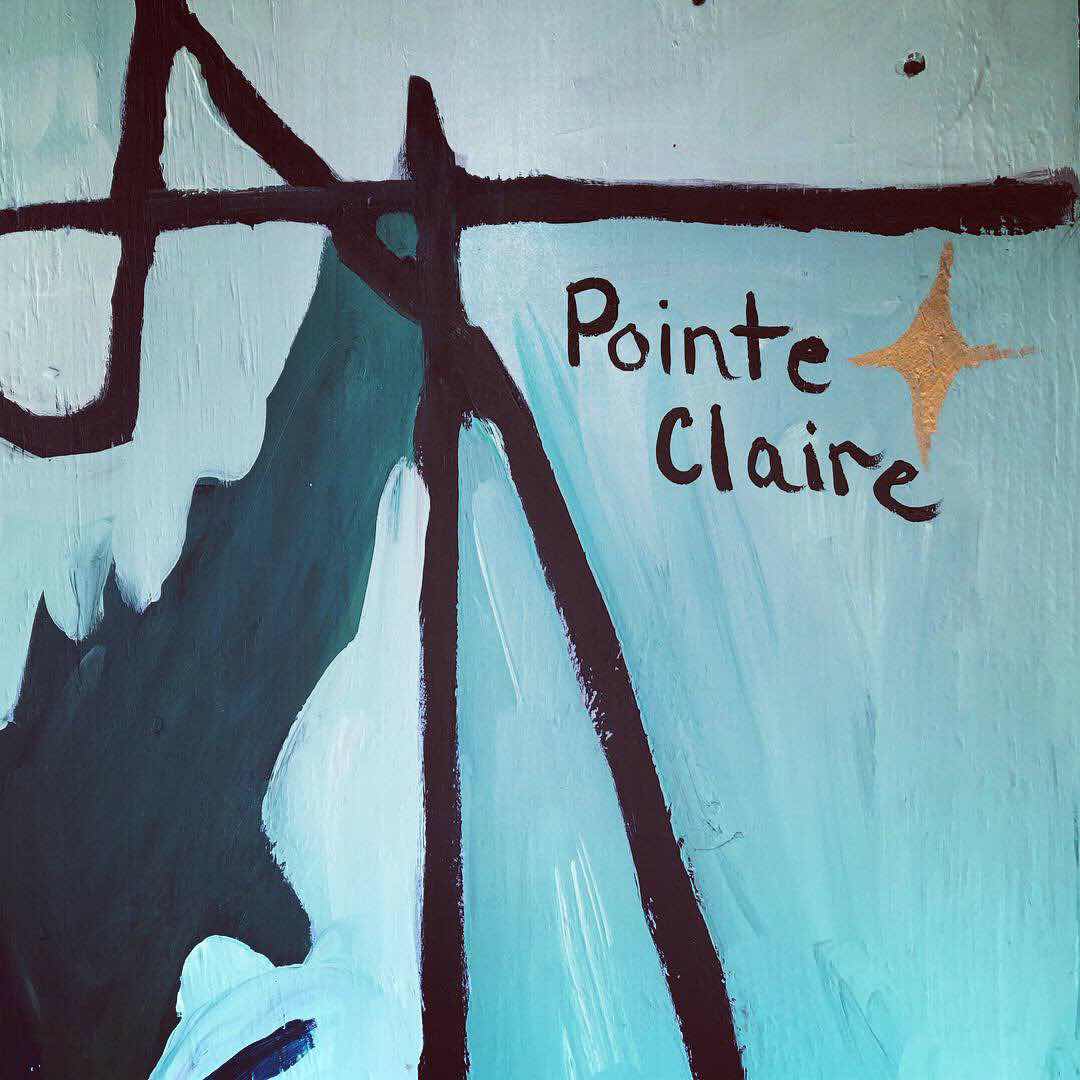 |
| Prairie des Femmes generator box by Churchgoing Mule |
According to Mike Leblanc, who has a wonderfully informative blog linked below:
Subscribe to:
Posts
(
Atom
)