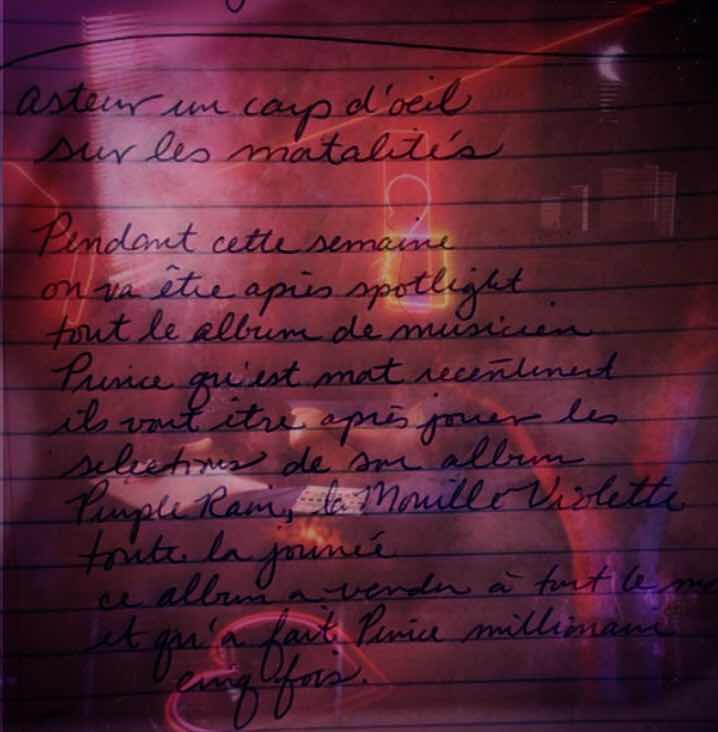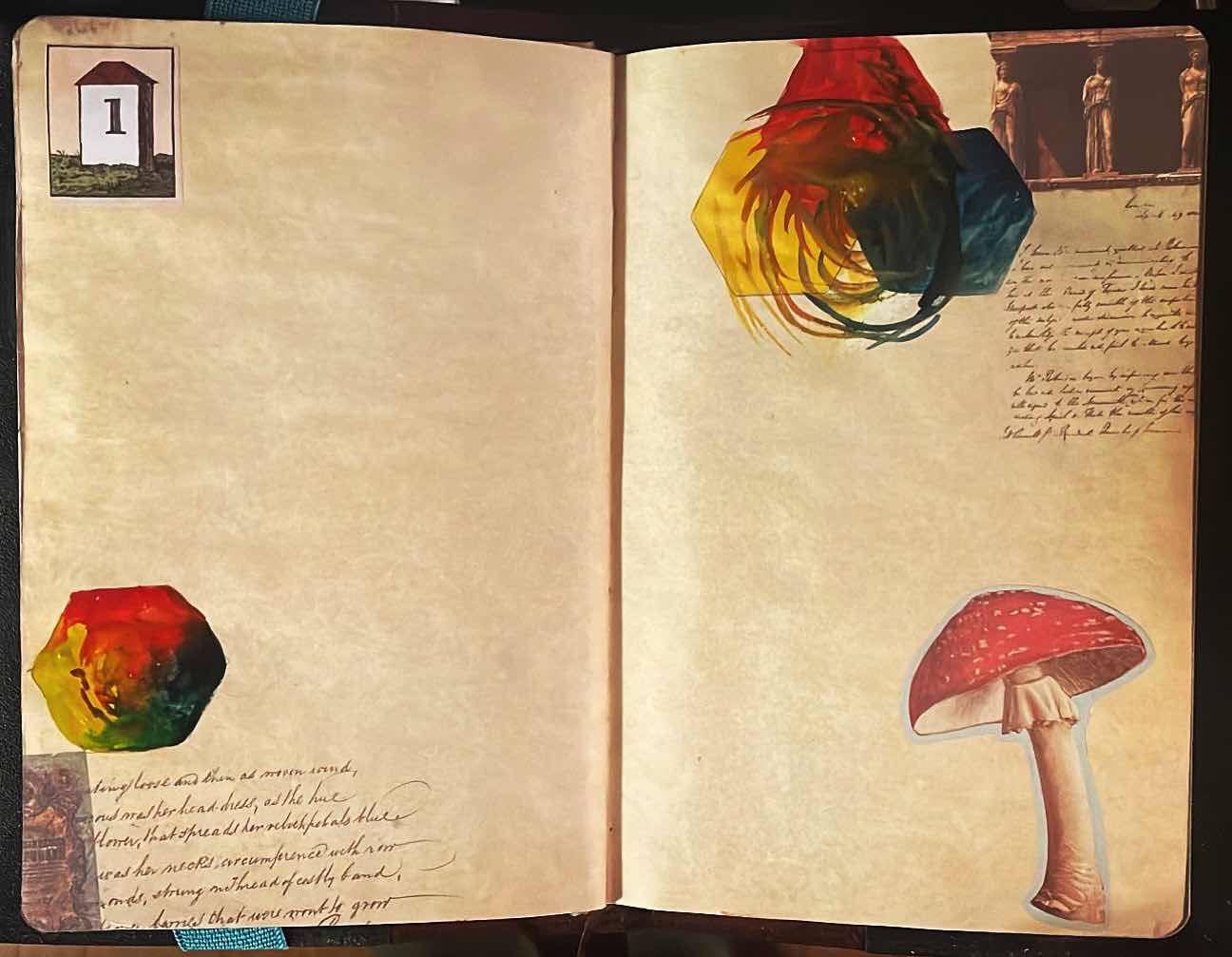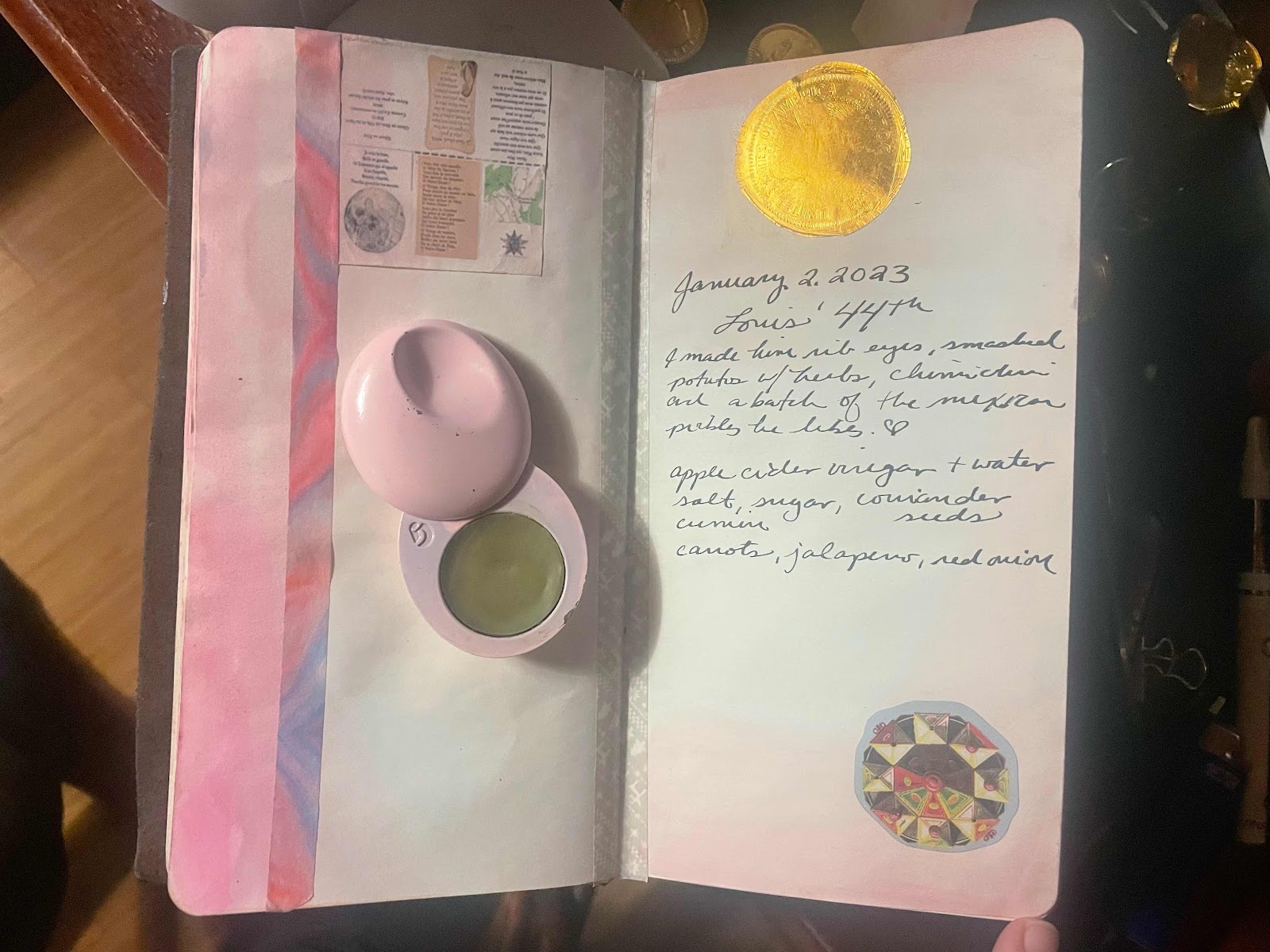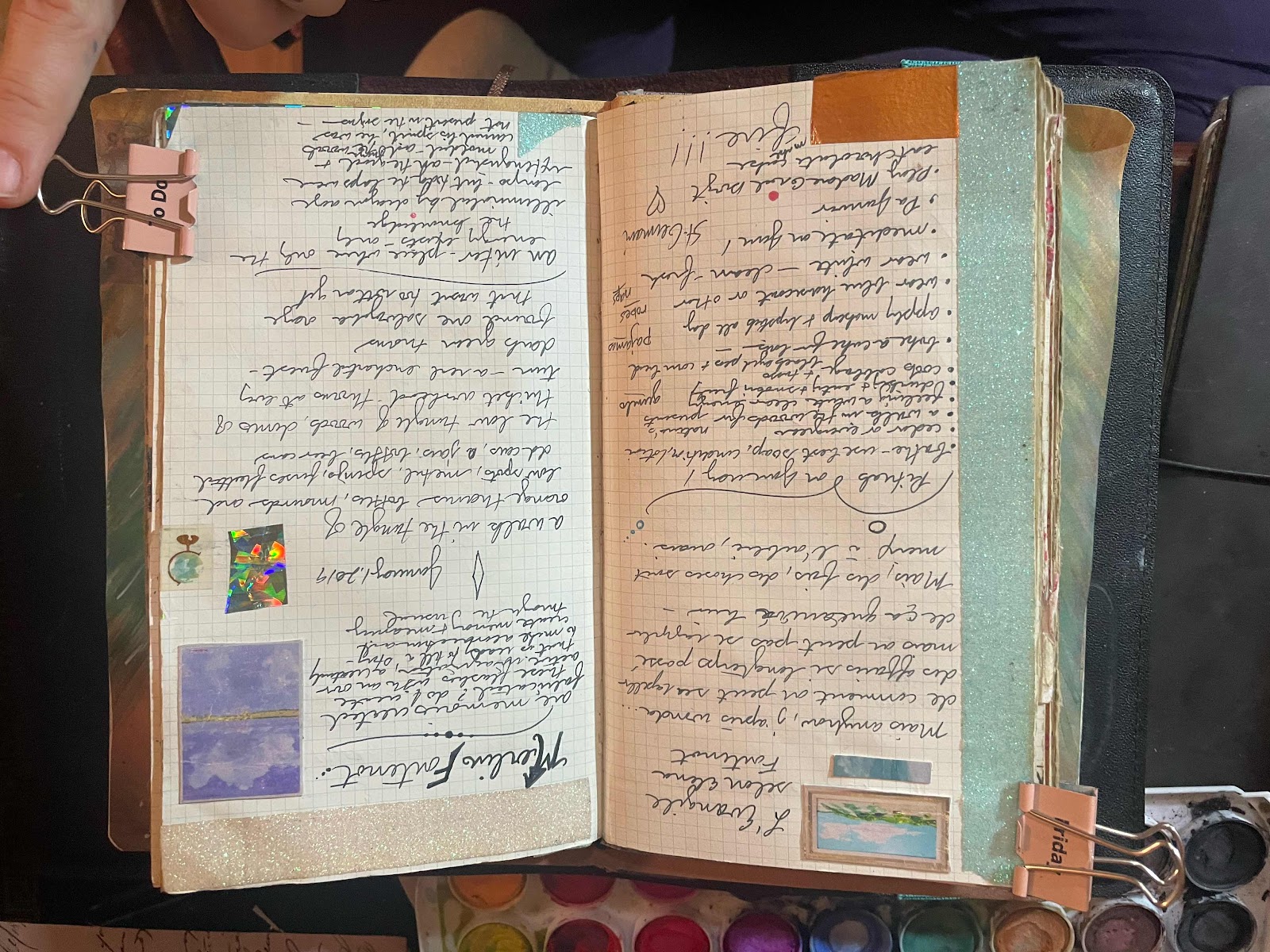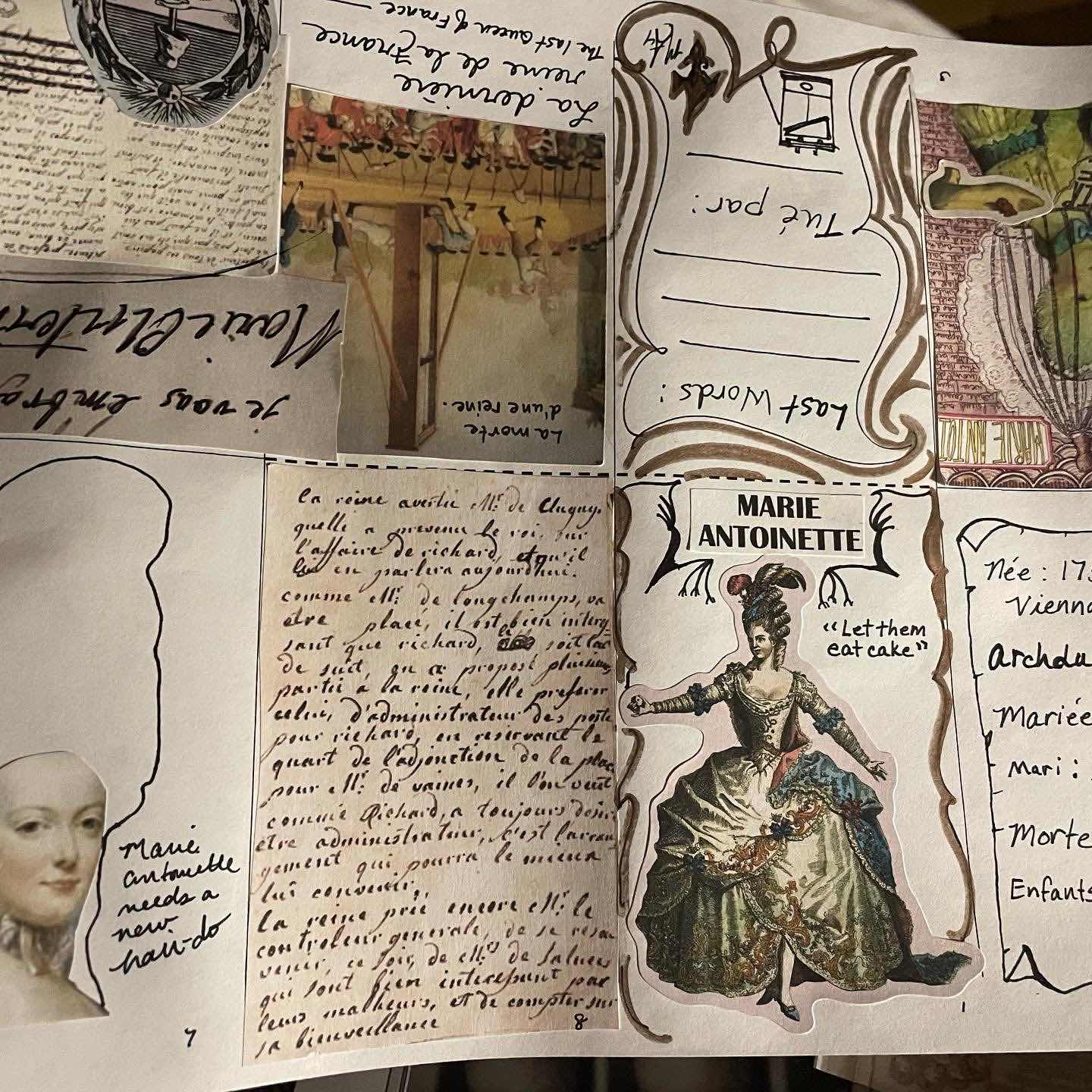
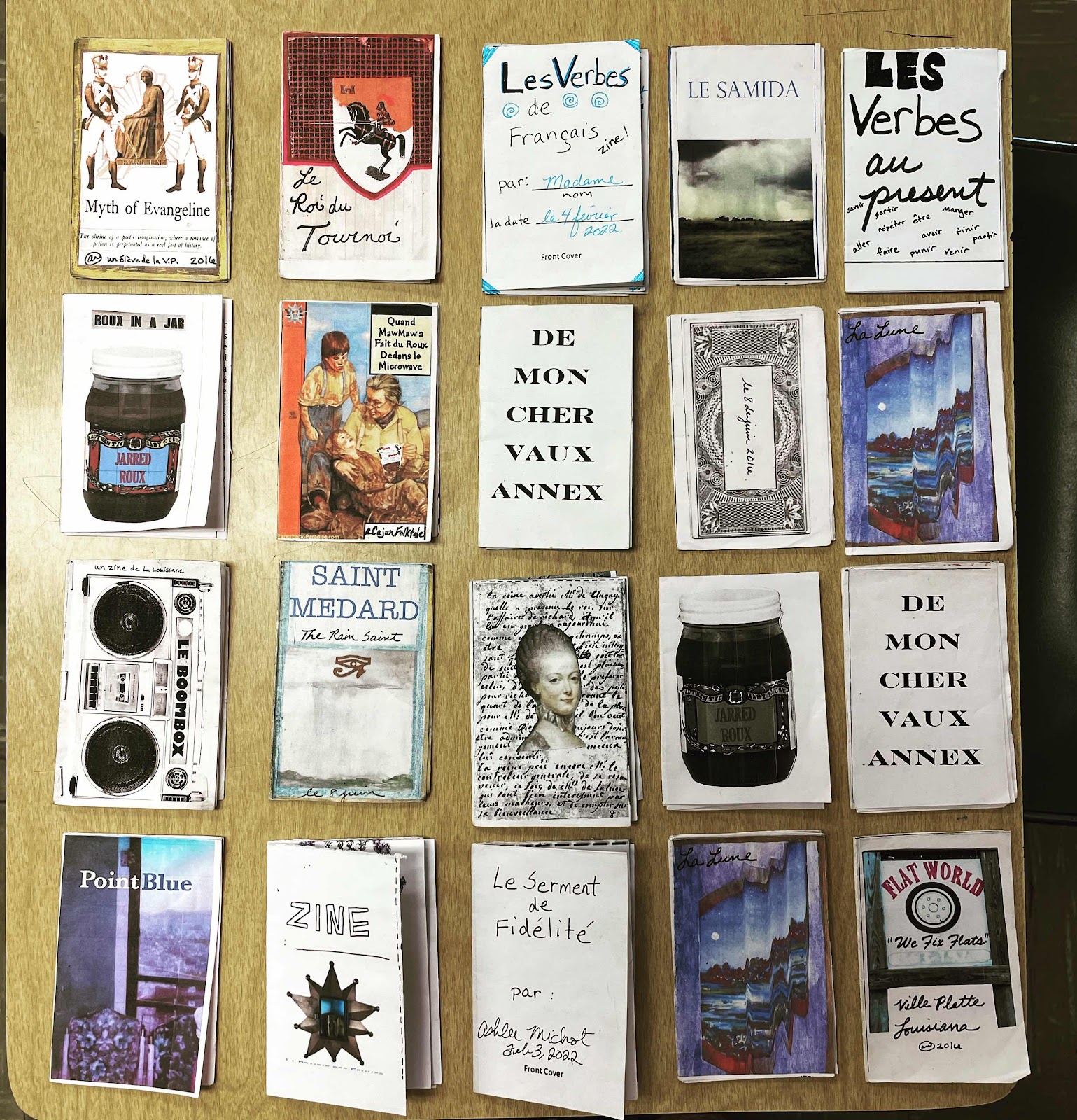

Ashlee Eastin Wilson is an artist, musician, writer, Cajun radio announcer and teacher from Ville Platte, Louisiana. She is an autodidact in Louisiana (Cajun/Creole) French and is known for her documentation of the folklore of native Evangeline Parish and the locale Prairie des Femmes in Saint Landry Parish through her bilingual commonplace books.

Ashlee was raised in Ville Platte, Louisiana and graduated from the University of Louisiana at Lafayette in Secondary English Education. An anglophone by birth, she became fluent in French by attending University Saint Anne in Nova Scotia. She is a diarist and draws inspiration from hundreds of handmade journals and books that she creates. She taught English literature and French for over a decade in the Louisiana public school system, namely Beau Chêne High School and the Academy of the Sacred Heart at Grand Coteau. With grants procured by her French student’s work, she was able to furnish her classroom with sets of the Dictionary of Louisiana French as well as other cultural titles.
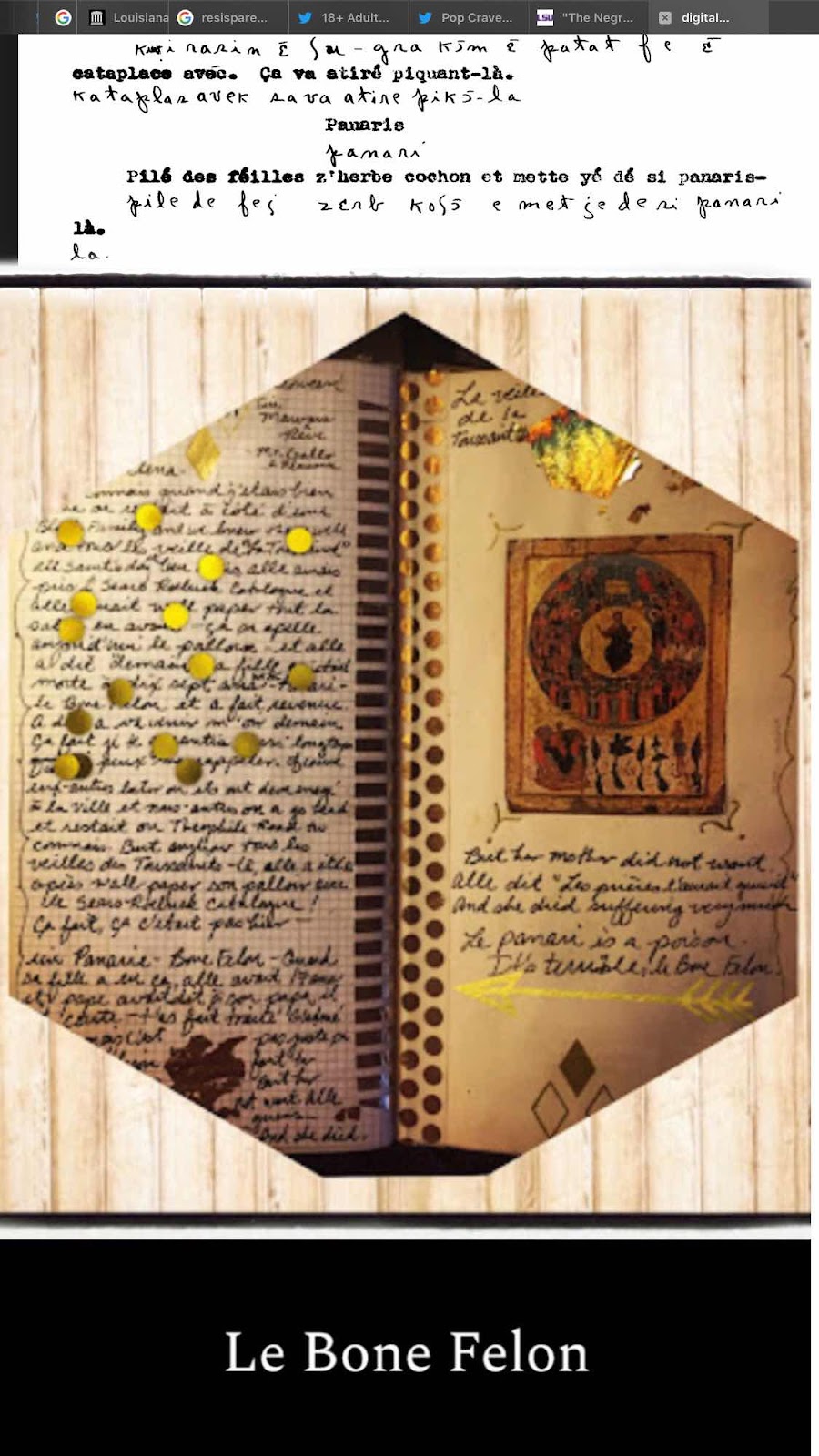
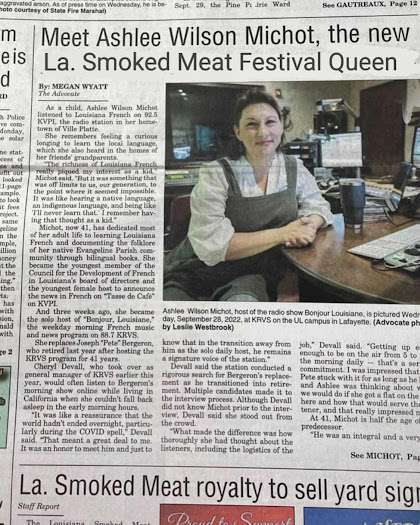
Ashlee dedicated years to careful documentation of the radio program La Tasse de Café on 92.5 KVPI, transcribing stories, local folklore, word play and herbal remedies, as well as modern commercials and snippets of modern Louisiana French life. This work culminated with being hired by KVPI as the youngest female host to announce the news in French, the Tasse de Cafe Radio Program, and even hosting the world-famous Saturday morning French broadcast from Fred’s Lounge in Mamou. The written and recorded documentation from these years serves as the source for her current work in self-taught folklore. Additionally this work prepared her to act as the French announcer for “Bonjour, Louisiane” a morning French music and news program at KRVS in Lafayette, Louisiana. She replaced the long-time host Pete Bergeron who initiated the program and held the position for 40 years.
She serveed on the board of directors for the Council for the Development of French in Louisiana (CODOFIL) from (2009-2012) and as a Louisiana ambassador to the Center des Francophonie des Ameriques in Montreal in 2010.
In 2012 she began the Prairie des Femmes blog that became an early online resource for authentic information about Louisiana language and culture. The blog began as daily documentation of the place known in French as Prairie des Femmes (Women’s Prairie) and research on the origin of this place name. It grew to include photography, memes, writing, French transcriptions, recordings, folklore, music, lessons, and more. It was one of the first websites to offer visual media in Louisiana French and incorporate local folklore and music lyrics into modern media for a younger audience wishing to learn. Ashlee uses her knowledge of modern American culture and blends it organically with the archaic knowledge found in Louisiana French. She has served the community by providing bilingual announcements at the Lafayette Regional Airport, translating the Opelousas Travelers Guide to French, appearing on radio and podcasts such as Louisiane en Vers and Charrer Veiller, as well by hosting the monthly French table in Opelousas as well as the Arnaudville French Table at Nunu's.
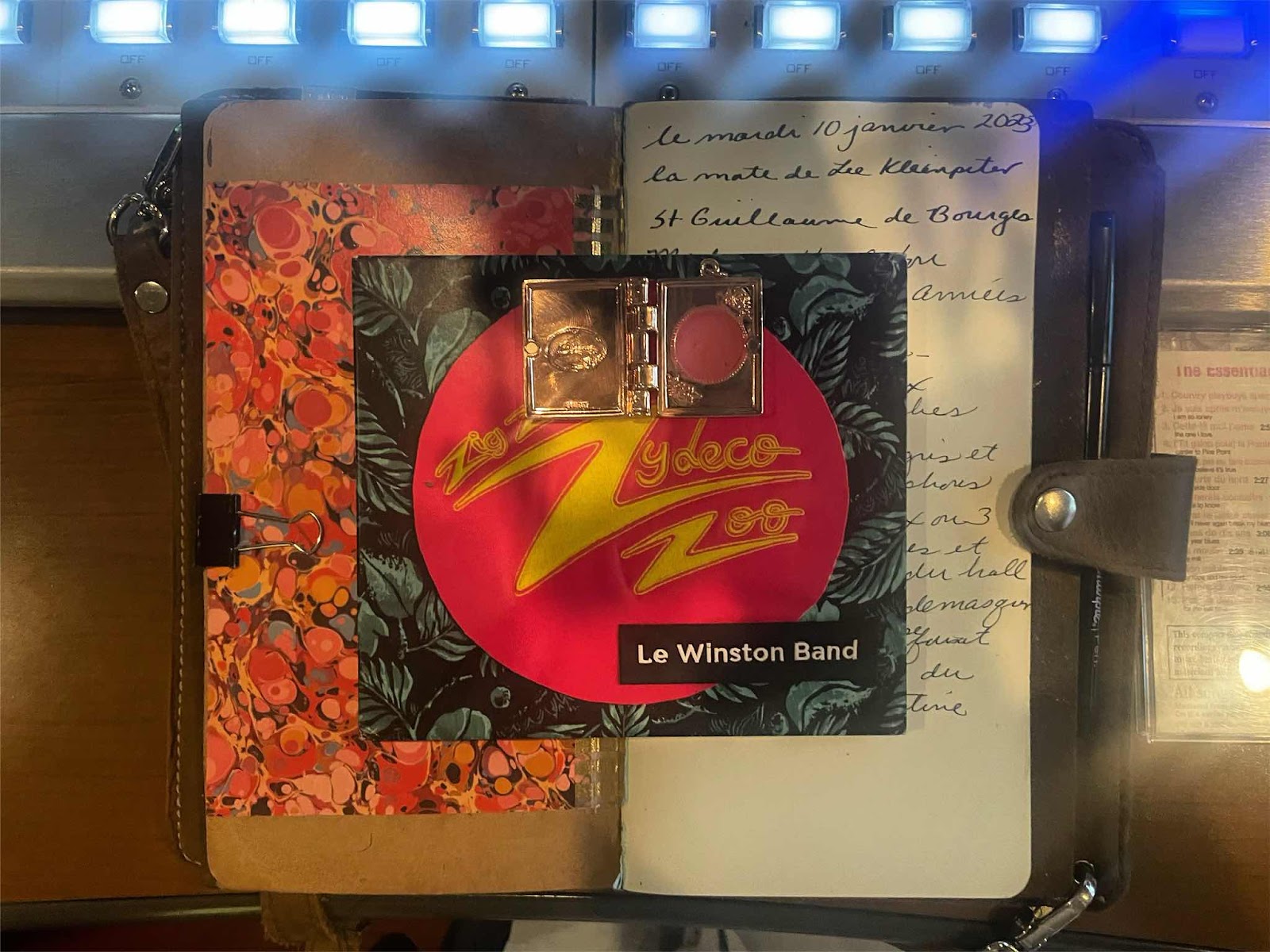
As a writer she has created hundreds of hand decorated journals in Louisiana French, as well as dozens of niche zines. She has published as a guest columnist in local papers such as the Advertiser, Advocate, The Current, Les Bonnes Nouvelles, New Orleans Magazine and Acadiana Profile. Her work has been featured in 64 Parishes, Bitter Southerner, Country Roads Magazine and the New York Times. She published her first work ‘Ô Malheureuse’ on UL Press in 2019, a first of its kind collection of modern Louisiana women’s writings in French. The collection began on the PDF blog and was published by UL Press and released in time for the 2019 Festival Acadiens and Creole dedicated to the contributions of women in Louisiana music.
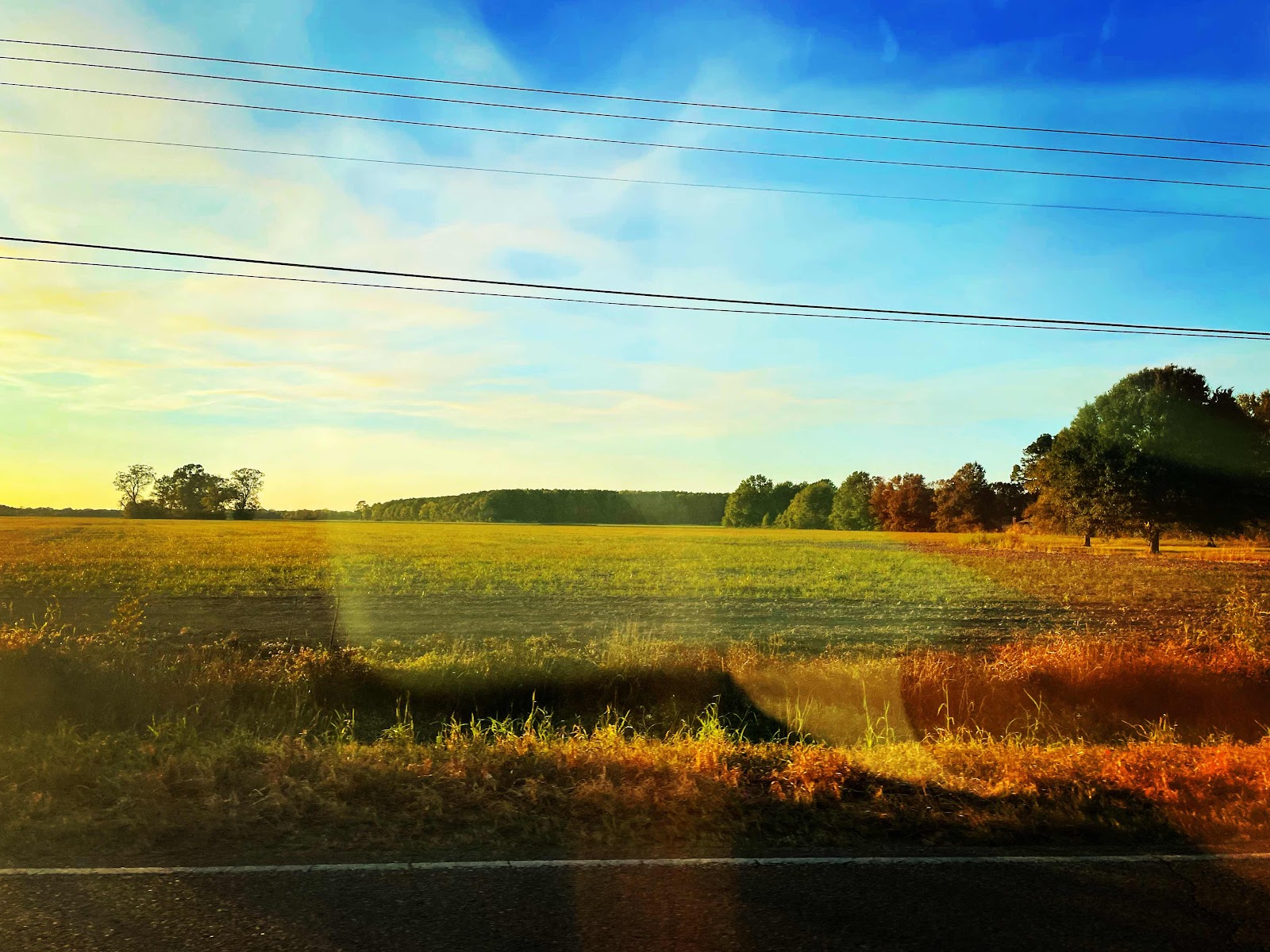
As a photographer, Ashlee has self published three books, The Plains of Mary, a photo book of Marian yard shrines, Prairie des Femmes: Portraits of a Place, a collection of surreal photographs from the countryside of Acadiana, and finally A Prairie des Femmes Field Guide, a collection of art and writing from the PDF blog. Her work has been featured in Louisiana Cultural Vistas, 64 Parishes, and she has shown her photographs with photographers Denny Culbert and Jo Vidrine. She had thirty of her photos shown as part of Frank Relle’s New Orleans in Photographs exhibit in Moscow in 2014. Her work has also been recognized by photographer Zack Smith’s project « My Louisiana Muse » as well as Nick Slie’s « Cry You One. » In June 2024 her land work, as well as her work with the rare medicinal plant vinéraire was featured in Monique Verdin and Rachel Breunlin's Botanica exhibit at the Cabildo in New Orleans.
Her family and home were featured in the Home and Garden Section of the New York Times in 2012. As recently as 2021 her work was featured by National Geographic and in a documentary that won the CreateLouisiana culture grant, Intention, by Olivia Perillo and Syd Horn. It is a film project that seeks to explore the untold feminine narratives of Cajun and Creole artists and healers.
She is a musician, well known in south Louisiana as a professional triangle player. She also sings and writes in Louisiana French, incorporating modern music with that from the Cajun and Creole archives. Her first original song ‘Maison Blanche’ released on The 78 Project in 2014, and in 2020 Nouveau Electric Records released her ‘Trois Rangs’ on 45rpm vinyl, remixed by Korey Richey (LCD Soundsystem). She has played triangle on the recent PBS documentary American Epic.
In 2024 Ashlee's work for the Prairie des Femmes was included in the exhibition Botanica at the Louisiana State Museum at the Cabildo in New Orleans. In 2025 she showed her paintings, journals and plant research with the medicinal known as vinéraire in Prairie Stories, a collaborative show at the Acadiana Center of the Arts in Lafayette, Louisiana. Prairie Stories featured a collection of artists and their work on the folkloric and environmental realms of the Louisiana Prairie. She has spoken at the Louisiana Folklore Society meeting on the Prairie des Femmes Blog and digital folklore, as well as at the Bayou Culture Collaborative meeting where she spoke on her ethnobotany research. Most recently in May 2026 she presented in the Folklife Village's Past to Pixel tent which featured digital folklore at the New Orleans' Jazz fest.
As of 2023 Ashlee is the lower school French teacher at the Academy of the Sacred Heart in Grand Coteau, Louisiana.
Ashlee raises her sons in the Prairie des Femmes.


Son coeur est un luth suspendu;
Sitot qu’on le touche il resonne.
– De Beranger
“His/her heart is a poised lute;
as soon as it is touched, it resounds”.

“A LOT OF THE INFORMATION WAS REALLY SPECIAL, AND IT WAS JUST OVER THE AIRWAVES AND GONE. ... IT WAS A VERY TANGIBLE WAY TO SEE HOW OUR LANGUAGE IS DISAPPEARING."
CAJUN SPELL
Coeur de cèdre
Feuille de pin
Le cri d'Amédé Ardoin
Eye of round
Sans d'oseille
Bayou Noir
la 'tite jambe caille
Can de Rotel
Burn it down
Make three rips
Around my town
Les idées dans ma cervelle
Mêle dans une choquelle
Ca c’est ton Cajun spell
Via Mike Leblanc:
10.0 Adjacent Angles, Prairies and Points
There is yet other places, known as Prairie Laurent, Prairie des Femme, and Point Clair. Each has its distinctive character based on the stories upon which its sense of place was created.
10.1 Prairie Laurant
Prairie Laurant is also known as Prairie des Mulates, that is literally, Prairie of Mulattoes. Mulatto is in French, is called a mulâtre for men and mulâtresse for women.[1] Perhaps one of the most well known residents of La Prairie Basse is Clifton Chenier, and his brother, Cleveland, both proud black men, who are among the founders of Zydeco music. Reflecting their racial heterogeneity, their music is a hybridization of Blues, Jazz, Cajun, Country and Western, and Rhythm and Blues, played with an accordion, that quintessential French instrument, and a washboard, a folk instrument used to create African rhythms.
10.2 Prairie des Femmes
To south of Prairie Laurent, a place is still called La Prairie des Femmes (or literally Prairie of Women). If you ask an inhabitant of that place (who are mostly Cajuns) what is the origin of that place name, you will be told that all of the men were killed while on a hunting expedition in time long forgotten or during a war, particularly World War I or World War II. However, the earliest maps of the area created by Spanish indicate that the place was called the same name so the meaning has been placed mouth to ear for some 300 years, its true meaning lost to the ghosts of another time.
To the east of La Prairie des Femmes is a place called Pointe Claire, a pasture used in the spring to herd cattle upon the grasslands. As late as the 1960’s, the cattle were driven by horseback from land laid fallow in the winter months to these nearby pastures for their spring grass. These lands were first discovered by that early band of Africans who hunted deer to extinction and were later to inter-marry with Acadians who herded cattle upon those lands.
10.3 McVeigh Plantation
To the south of La Prairie Basse lies the McVeigh plantation, a place of level lands upon a prairie cleared of its high grass and where slavery was practiced in the 19th Century and later where share cropping also enslaved Afro-American, Creoles and Cajuns in a labor system meant to drive their laborers and their families into penury and serfdom meant to tie them to land as well as to enrich their land owners. Today, McVeigh Road runs down the middle of this plantation and is bordered on both sides by cane fields.
McVeigh Road comes to an end at its intersection with Louisiana Highway 31, which parallels Bayou Teche. Alongside of highway is a narrow strip of land upon, which was too narrow to farm and which was the location of the sharecropper shacks used in the early 20th Century. While the descendants of Ton Ton were free persons of color and devote Catholics, the descendants of the slaves working on the McVeigh plantation were lively Protestants, practicing within the Baptist Convention.
Information via Mike Leblanc