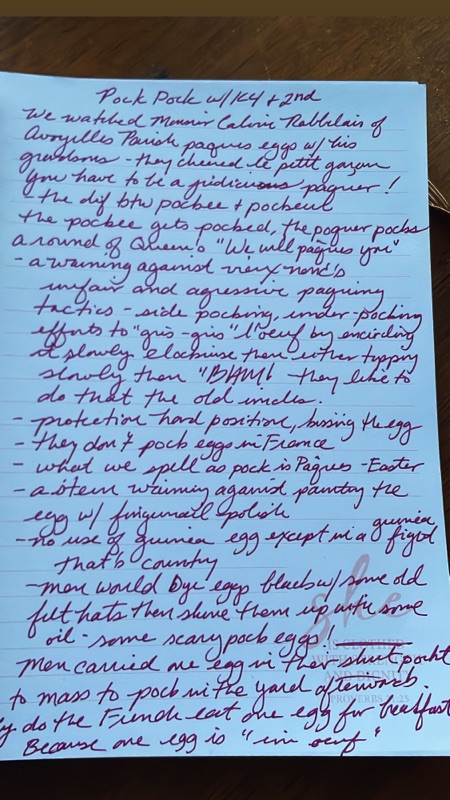
We watched Monsieur Calvin Rabbelais of Avoyelles Parish paques eggs with his grandson- they all cheered for the petit garçon You have to be a judicious paqueur! I tell them. The difference between the pockee and pockeur:
The "pockee" gets pocked, the pockeur pocks. A round of Queen's "We will Pock you" A warning against the vieux nonc's unfair and aggressive pocking tactics: side and under pocking, efforts to gris-gris by encircling the top slowly,
ruses of soft taps, sneak attacks. They like to do that, the old uncles. Hand position provides protection from side paqueurs and sneak attacks. Petit bout vs grand bout: K4 knows the difference. Kissing the egg for luck. They don't pock eggs in France, so say. The kids are shocked.
A stern warning to the second grade girls not to paint the eggs with nail polish, it's their secret.
No use of guinea eggs except in a separate bracket guinea fight, now that's country.
The men would dye their eggs with old felt hats and the eggs would come out black black. Then they would polish them with oil- some scary pock eggs!
In Ville Platte the men carried their egg in their front shirt pocket
to pock in the churchyard after Easter Sunday mass.
Civil War General wrote this in his book published in 1879.
"On an occasion, passing the little hamlet of Grand Coteau, I stopped to get some food for man and horse. A pretty maiden of fifteen springs, whose parents were absent, welcomed me. Her lustrous eyes and long lashes might have excited the envy of " the dark-eyed girl of Cadiz." Finding her alone, I was about to retire and try my fortune in another house ; but she insisted that she could prepare "monsieur un diner dans un tour de main," and she did. Seated by the window, looking modestly on the road, while I was enjoying her repast, she sprang to her feet, clapped her hands joyously, and exclaimed : " Voila le gros Jean Baptiste qui passe sur son mulet avec deux bocals. Ah ! nous aurons grand bal ce soir." It appeared that one jug of claret meant a dance, but two very high jinks indeed. As my hostess declined any remuneration for her trouble, I begged her to accept a pair of plain gold sleeve buttons, my only ornaments. Wonder, delight, and gratitude chased each other across the pleasant face, and the confiding little creature put up her rose-bud mouth. In an instant the homely room be- came as the bower of Titania, and I accepted the chaste salute with all the reverence of a subject for his Queen, then rode away with uncovered head so long as she remained in sight. Hospitable little maiden of Grand Coteau, may you never have graver fault to confess than the innocent caress you be- stowed on the stranger ! It was to this earthly paradise, and upon this simple race, that the war came, like the tree of the knowledge of evil to our early parents..."
Le grand musicien et garçon de Hank Williams Sr. aussi connu comme Bocephus va être après jouer la musique au bal à Eunice! Ouais mes amis, c’est Hank Williams Jr. qui va jouer au Purple Peacock a grand Eunice ce vendredi soir à sept heures du soir, Portes ouvertes à six heures! Comment tu crois, hein? Mais monde, il faut se fionner pour y aller! Etre faquin! Hot Dog! Bocephus au Purple Peacock.
From that time on I began spotting wild cherry trees in our tree lines and around town or at the camp. This was my process with many plants. Every year we would check for the cherry trees and gather from the most reliable ones considering access, height, severity of bird strike, yearly production changes or other challenges. Over the years, my knowledge of where the best producing trees are has grown. This year I have become especially good at spotting the trees and the season is long and plentiful, possibly because of the snows. I have spent the entire month of May and half of June daily checking my cherry trees and it is a fulfilling activity for me. I go to my little tree, gather enough for the day, then gauge if I have enough for another fifth, and should I stop in at Russel's for it. As I pick along the Teche, I can hear the bells of the church ring on the half hour. It's just me and the birds. My cousin Paula told me that my great grandfather also made cherry bounce. I've been making it for about ten years and never knew that, but my yearly focus on this process feels like it must be hereditary.
I have a list that I wrote of where to find the cherry trees but I may have augmented it for my own bounce security.
Les merisiers:
2 in the garden at the house with swamp rose, pomegranate, muscadine and grape vines
1 huge one on the northbound lane of Evangeline Thruway Lafayette
1 in the eastern tree line in the front (could not locate 2025)
1 Prairie Laurent Dolla Store (big daddy)
2 on the Bayou Teche, pas loin de l'église
4 au moins à l’Academie de Sacré Cœur tree line Grand Coteau
1 at the curve in the heart of Grand Coteau
3 at the highest point of Chemin de Bayou Fuselier
2 on the Main Drag à Carencro (did not access)
2 on I-49 at exit 11 near the cypress place (trop haut, trop traffic, et dans les herbes)
2 Chicot woods island à Nonc Den
I should note that I go heavy on the cherries, good on the sugar, and I do not do the aging process with just cherries and sugar. I prefer to wash and dry the cherries, admire them, fill a bottle up 1/3 with them, cover with 1/3 sugar and fill to the top with whisky. I let that age for a month or two, shaking every week and quality control testing every few days.
In 2012 there was a persistent maple syrup smell that hung in the back of my pasture. Having had enough familiarity with the other medicines, remedies and prairie plants, I began to scrutinize the individual plants in the back corner, and it was easy to find the one because I knew the others. I often identify familiar plants for my own needs through crushing the leaves and smelling them. If you know a plant well and work with it, this method is reliable. This plant's smell was unique. After some identification (it was pseudoghaphalium obtusifolium, fragrant rabbit tobacco, life everlasting, vinéraire), I let the season pass. Each time I returned to the back pasture it was no longer in that spot.
I still looked occasionally and asked around about a plant with this maple smell, but I lost it. Eventually I arrived at a time when I had a mental critical mass of native plant experience through my transcriptions of my hometown's Creole folklore. Sometimes I would set an intention to find a plant like herbe à vers, or wormseed (to make the traditional de-worming praline) or herbe à malo, aka lizard's tail (to make the teething necklace) and go out and find them somewhere in the prairie or swamp. It was in this way that in the summer of 2023 I finally found three vinéraire plants again in the side pasture. I cleared the other plants from around her and allowed her to grow. I also began to carry a spring with me everywhere I went. It was a sad time and I sat with the plant often and began to use it medicinally and spiritually. I never left home without it and it was with me through some tough times and gave me comfort for its smell, softness and as I began to learn, local rarity.
In this time I had a meeting with some folklorists and horticulturalists who I shared my curiosity with. They knew what it was but were incredulous that I had found it with my nose in the pasture. They eventually produced letters and contacts of local healers and Indigenous women who were 40 years in search of the plant, because it was now hard to find down the bayou.
I learned that it's a mid succession species that comes when the prairie is healing and becoming more diverse, but that it usually grows in undisturbed prairies, which my field is not; it was farmed for decades. Still remnants might remain at the edges, and memory remains in the land always.
Over the last three years I have observed this plant at all stages and seasons, through snow and drought. It likes liminal edge and dry soil. This could be one of the reasons that it appeared here, among others. It has spread voluntarily across my back pasture from three to around 700 (this year, so far) individual plants. It has spread on its own, under conditions that I monitor, and does not yet she grow where I plant her.
I make sprays, balms and burn it regularly as one would burn sage. I have documented its native uses, etymologies in Creole, French and Choctaw, as well as its extensive spiritual connections. I have shared in ongoing art exhibits such as Botanica at the Louisiana State Museum at the Cabildo in New Orleans as well as the Prairie Stories exhibit Acadiana Center for the Arts in Lafayette, Louisiana. I have given lectures about it for several college classes in Louisiana and out of state, as well as at Basin Arts, Academy of the Sacred Heart, Nunu's, Atelier de Nature and at a workshop at Balfa Week.
I have had the most satisfying honor of providing the plant and seed to the women and men who were in search of it, as well as herbalists, traiteurs, healers, and a few of the members of the Indigenous tribes in order to return its medicine to the people of south Louisiana.
Silence between noon and 3. Cover statues in purple or black cloth.
No hammering or nailing on Good Friday. Radios not turned on, except for news - no music; no movies; no dances - of course.
Live stations of the cross, walking down the highway.
Good Friday for us was cooking fish in the woods, on the coals of a fire.
My
dad always planted his vegetable garden Holy Week but never dig on Good
Friday! As teenagers we were also never allowed to " go out" on good
Friday. We always have crawfish stew/étouffée on Easter Sunday.
My
dad used to say you did not plant (or dig in the ground) on Good
Friday. We did not eat any meat (including fish) on Good Friday - Mom
would make egg salad or egg jambalaya (egg fried rice). We went to mass
and confession on Good Friday and attended the "Stations of the Cross"
procession at the church after mass.
Cover
your mirrors, preferably with black cloth, because we are in the
likeness of God, who was killed that day. Do nothing where there is a
risk of drawing blood--shave, cut something with a knife, etc.
The
mirrors were covered Thursday night. No television, radios or work on
Good Friday. No crawfish boils or party in any way! Don't even think of
digging in the ground.
One
year we dug up some wild mint in our grandparents' pasture, it was our
last time there after they passed away and we needed to get the plant.
It wasn't until later that night that I realized it was Good Friday and
though the ground didn't bleed, I can't get that mint plant to grow more
than one little sprig, barely two inches high then it dies.
My dad was a rice farmer and this was a very busy time for us with planting and everything that goes with it. The old people use to say if you dig into the ground on Good Friday it would bleed. We would try to get the day off from shovel work but my dad said get your butts in the field and if the ground bleeds you can have the day off ! And despite all of our digging the ground never bled. -KR
There was a white pine that volunteered in the western yard. It obstructed my view of the open prairie to the southwest, so my husband chopped the top for my photography. That cleared the view for a few years but that tree continued to grow. Except now, at the injury, it weeps sap. I’m not sure if it’s a memory of the damage that was done to clear the path, or if sickness or parasite still lives in the tree. No matter, it has become a medicine tree. On walks around the property I stop there and check the ground for chunks. I follow their fall patterns and gather them. At first I kept this sap and chunks of resin in my journals, not knowing what to do with it except smell it and let it perfume my journal.
One wet Louisiana winter day I went out to build a little fire in the wax myrtle bower but everything was damp. I pulled out the blank pages of my journal with the resin on them and they worked fine, similarly to the bois gras the men collected and used for fire starter. It kept my little fire going and kept me warm that day and others. It became a habit of mine to be able to spot injuries on resin trees and check them no matter where I was. I kept the pieces of resin in a tin can painted with blue and gold stars on the porch. But one day an indigenous friend gave me a balm made of bear grease and five kinds of fir resins from the north, saying that it would heal any wound and not even leave a scar. Sometimes I put the clearest sap on small cuts around my cuticle. Then I knew then what to do with my resin collection.
I melted the chunks down with sweet almond oil and when they were incorporated I filtered it and mixed it with melted bay wax from the bower to make a balm that my boys called “tree medicine”. They refused Neosporin but would accept the tree medicine on their wounds, only after I showed them the tree itself.
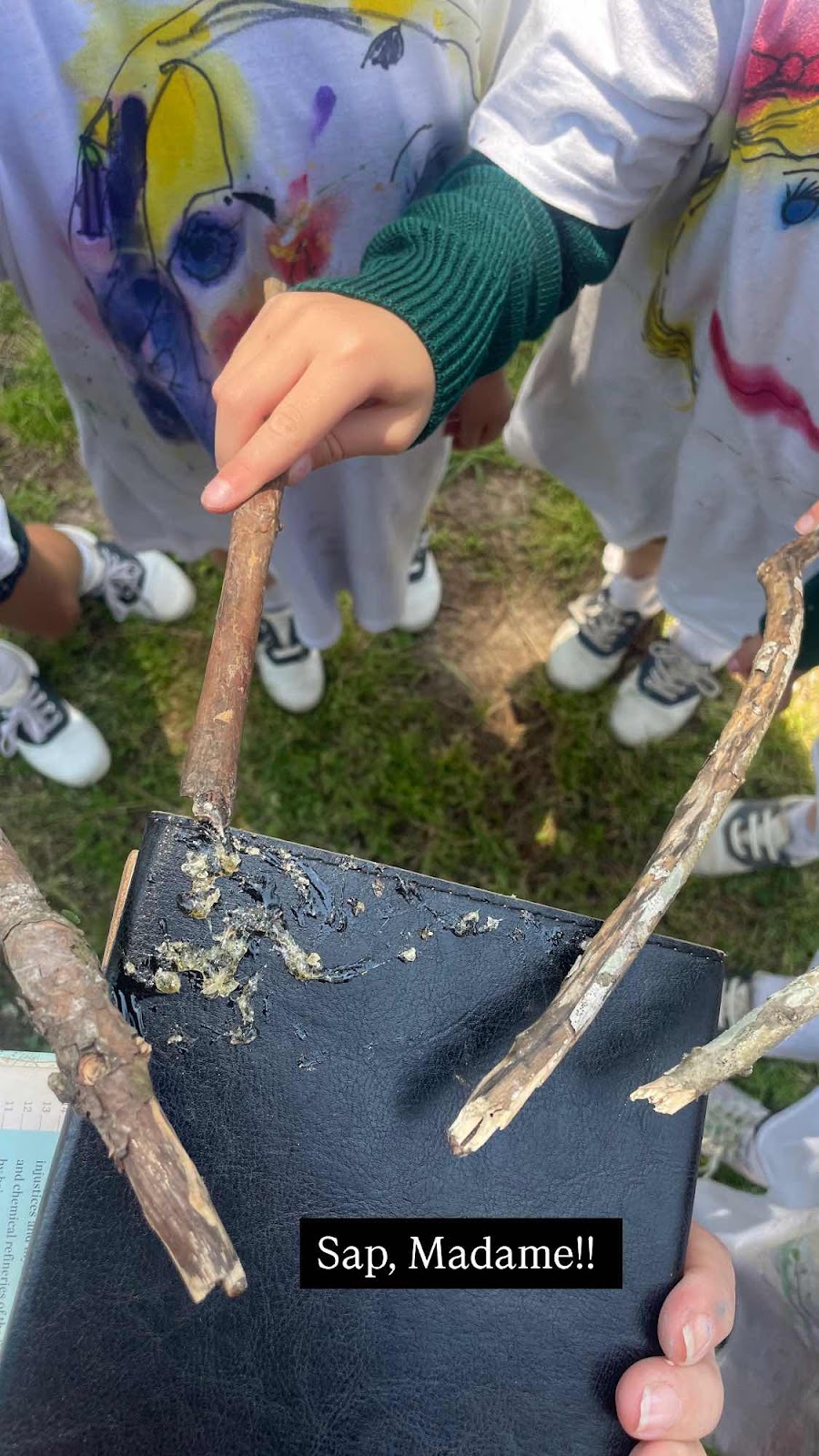
Daily I work atop the Grand Coteau at a school over 200 years old, full of old oak and pine alleys. Some of the pines seem to be nearly as old as the school and bare many scars and knots that give sap. I immediately began to survey each tree at recess and the girls would ask, "Madame, what are you doing?" Last year, one of the largest pines was struck by lightning and it created a rip in the bark that began to weep sap. Daily the girls and I go out and check this tree, because it gives the clearest sap that looks like tears. I have taught the girls that only the wounded trees will give the medicine, and in their healing, we can also share in it a little. I explained that the sap is like the tree’s blood and the resin is the scab. They apply it, like me, to their cuts, and know that hand sanitizer will clean it and cut the stickiness. I make a spray with the resin also that I use daily as a hand cleaner. Sometimes I come to my classroom and there are curious pine sticks on my desk that upon further inspection are tipped with sap. They'll make a resin platter out of a piece of bark, or dig into a knot with sticks often creating more injury and then more sap. One time I found a half pound chunk of resin, who knows how old, on my desk and thought it was a chunk of tasso. This morning as I was out there in my petticoats and cape gathering fresh pine sap tears with a ruler, and curious as it is, none of the girls even asked me what I was doing.
Lafayette Louisiana's group Da Entourage (The Entourage, also in Creole: the wall) came out with the regional hit The Bunnyhop in the 1990s. Da Entourage was formed by cousins Toemas (Griffin) and Alley Cat (Zeno), and their childhood friend Bunny B. (Brown).
When I hear this song I can't help but notice the hyper-local French Creole feel of the use of the name Josephine in the lyrics:
I'm so glad I got my own/I ain't worried bout Josephine
My life's a natural high/C'mon and bunny hop with me.
Martiniquaise Josephine Bonaparte, married to Emperor Napoleon, is perhaps the most famous owner of the name in the French Creole world, but as a Louisiana Cajun/Creole musician and writer, I can't help but feel the idea of this woman Josephine has trickled down from the echos of our popular music's past and into the Lafayette hip-hop scene. Something about the lyric "Josephine c'est pas ma femme" is giving the same energy as "I ain't worried 'bout Josephine."
Here I'll list as many songs as I can that mention Josephine in Cajun or Creole music.
La Valse de Josephine by Leo Soileau and Sadie Courville
Malheureuse, mais 'garde la bas la 'tite poussière, chère, de ti neg qui s'en vient, ti-galop chez Josephine.
Unhappy woman, look over there the little dust, dear, of your man who's coming at a cantor from Josephine's house.
My Josephine Hackberry Ramblers
Josephine oh my Josephine, t'es une jolie 'tite fille/Josephine, ma Josephine tu connais tu me fais m'ennuyer/ Tu m'as dit qu tu m'aimais/ Mais moi j'connais ça c'est pas vrai. Ma Josephine.
Josephine, oh my Josephine, you are a pretty little girl/ Josephine my Josephine you know you make me lonely/ You told me that you loved me/ But I know that's not true/ My Josephine
Josephine c'est pas ma femme by Clifton Chenier (Queen Ida/Fatz Domino)
Bon Dieu connait/Josephine c'est pas ma femme. O Nonc Helaire/ Josephine c'est pas ma femme.
The Good Lord knows, Josephine's not my wife. Oh Uncle Helaire/ Josephine's not my wife.
Hello JosephineKeith Frank
Hello Josephine/ well how do you do/ do you remember me my baby?? Like I remember you/ You used to drive your car/ through the drive-in window.

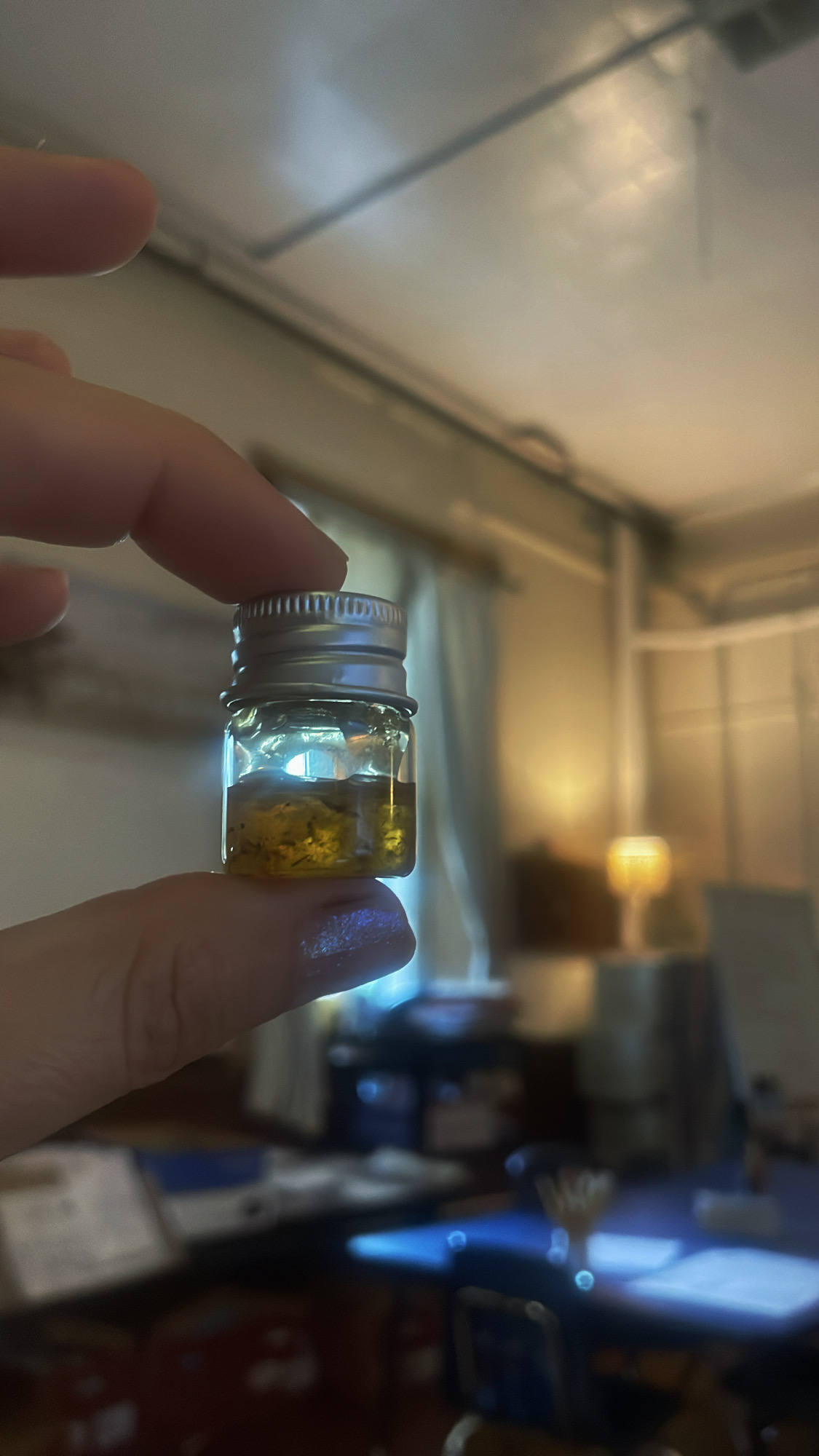
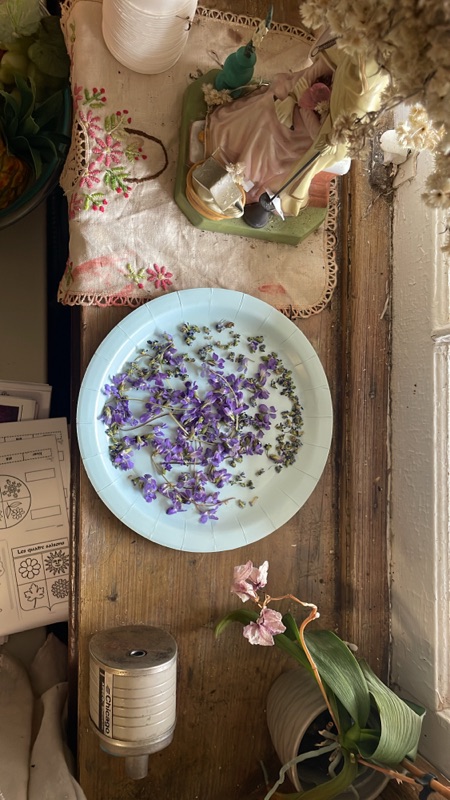
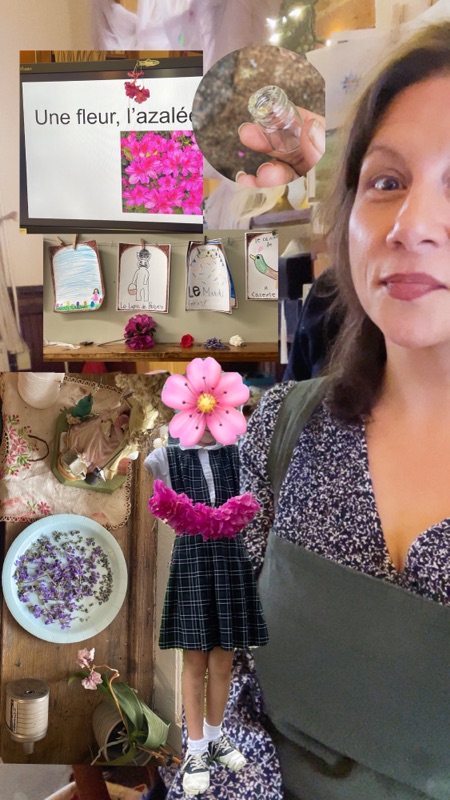


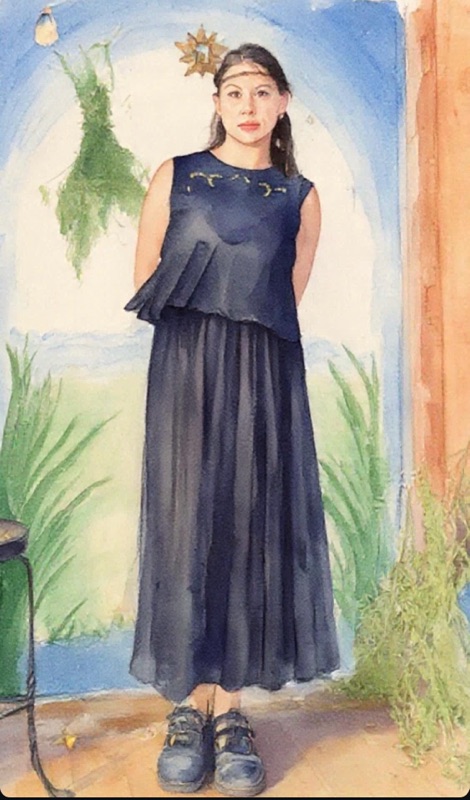


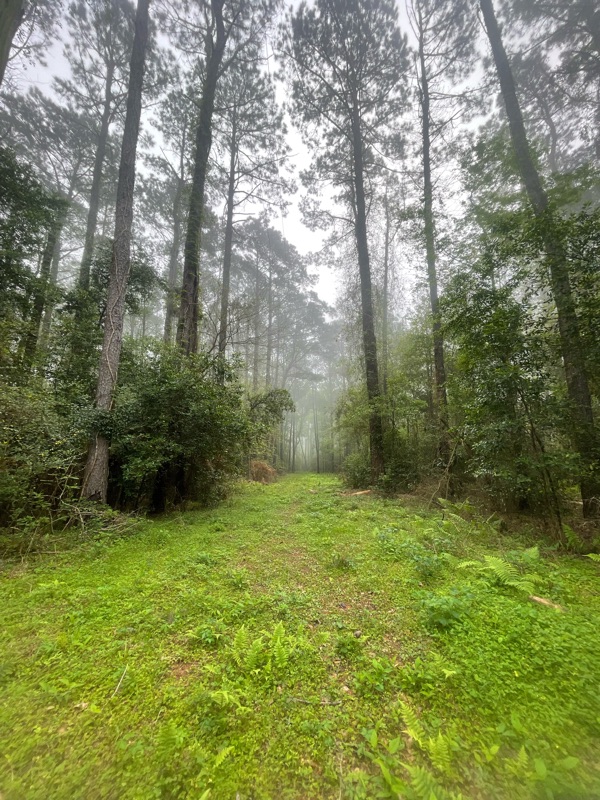
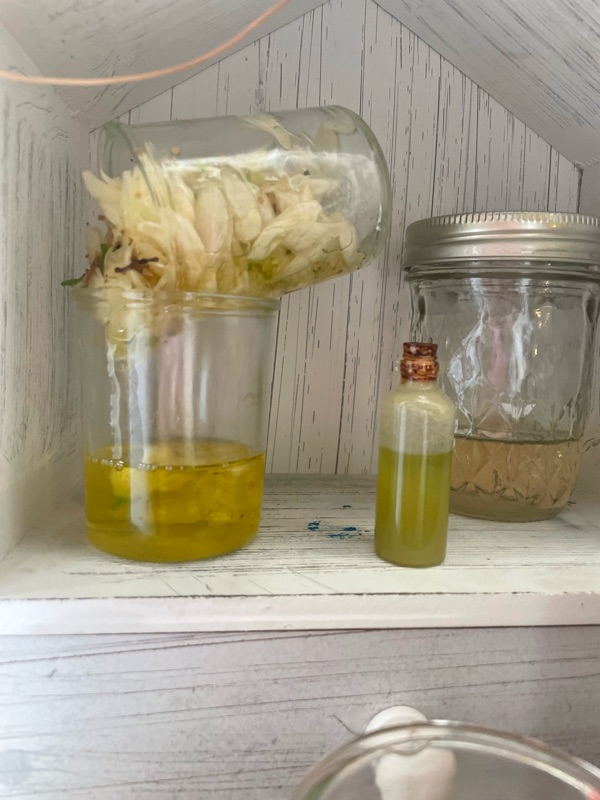
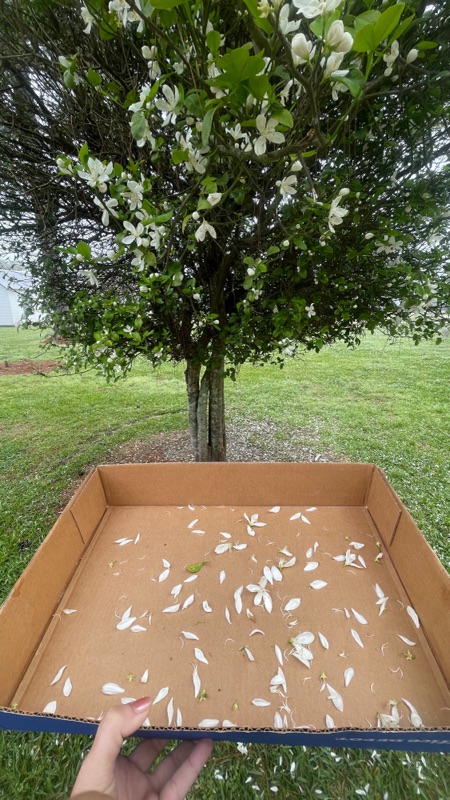
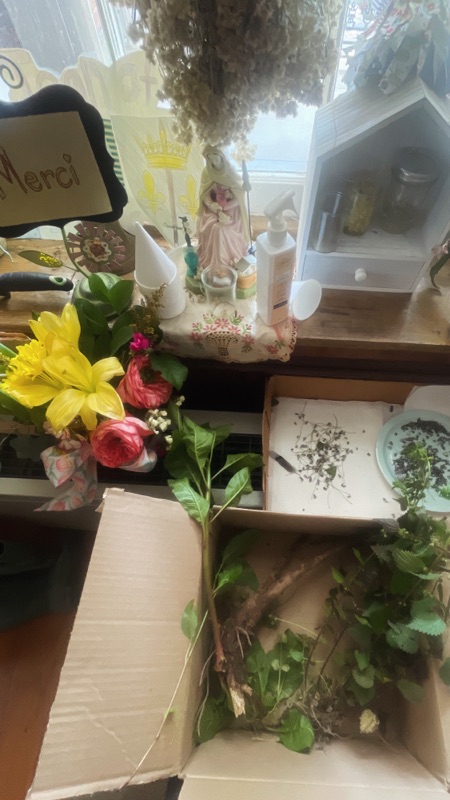
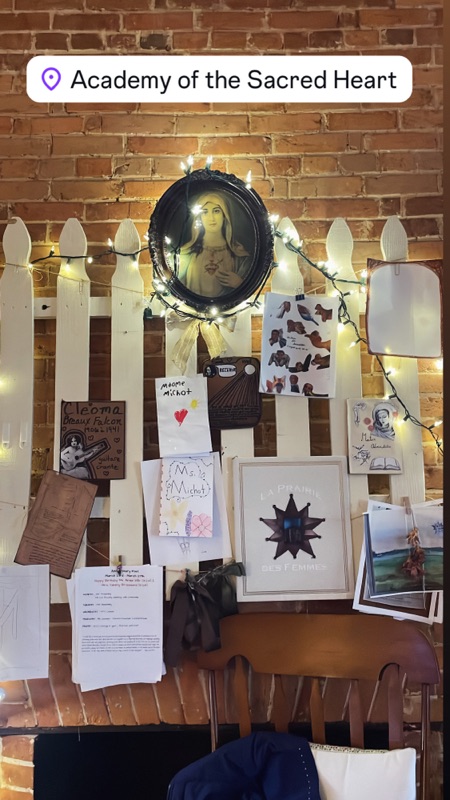
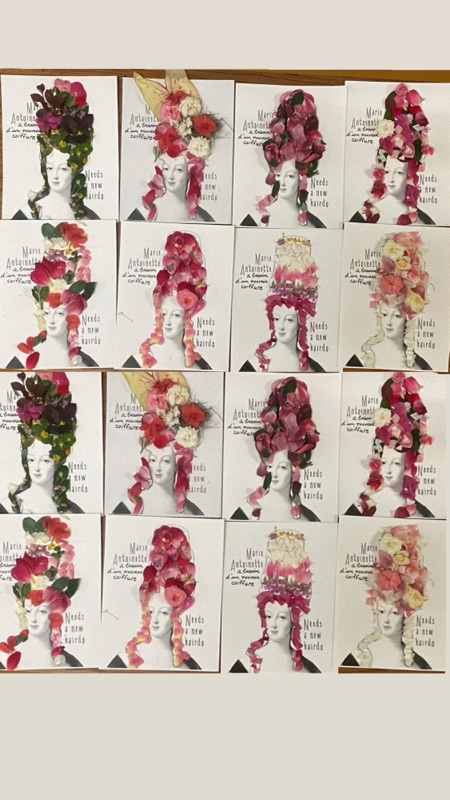

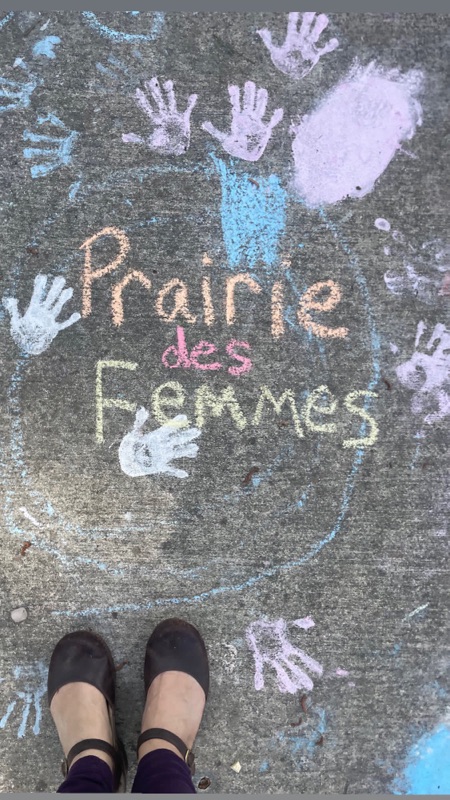




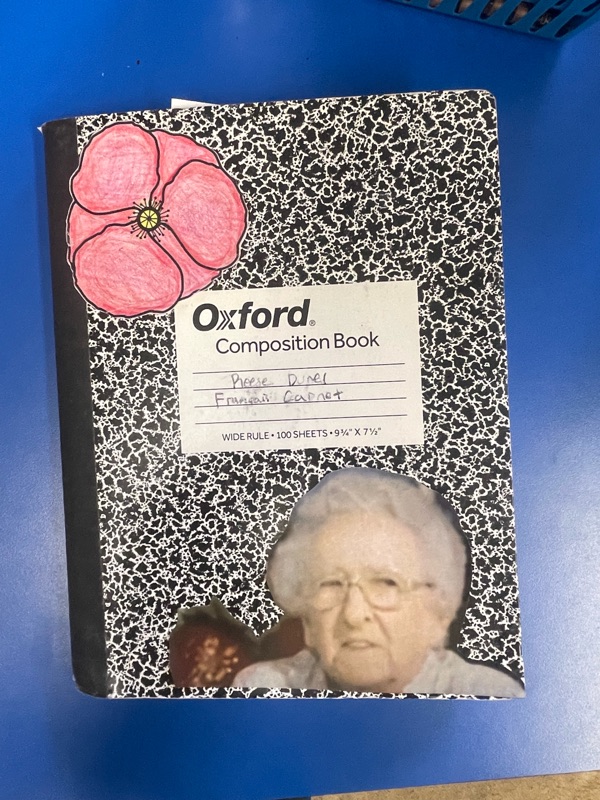
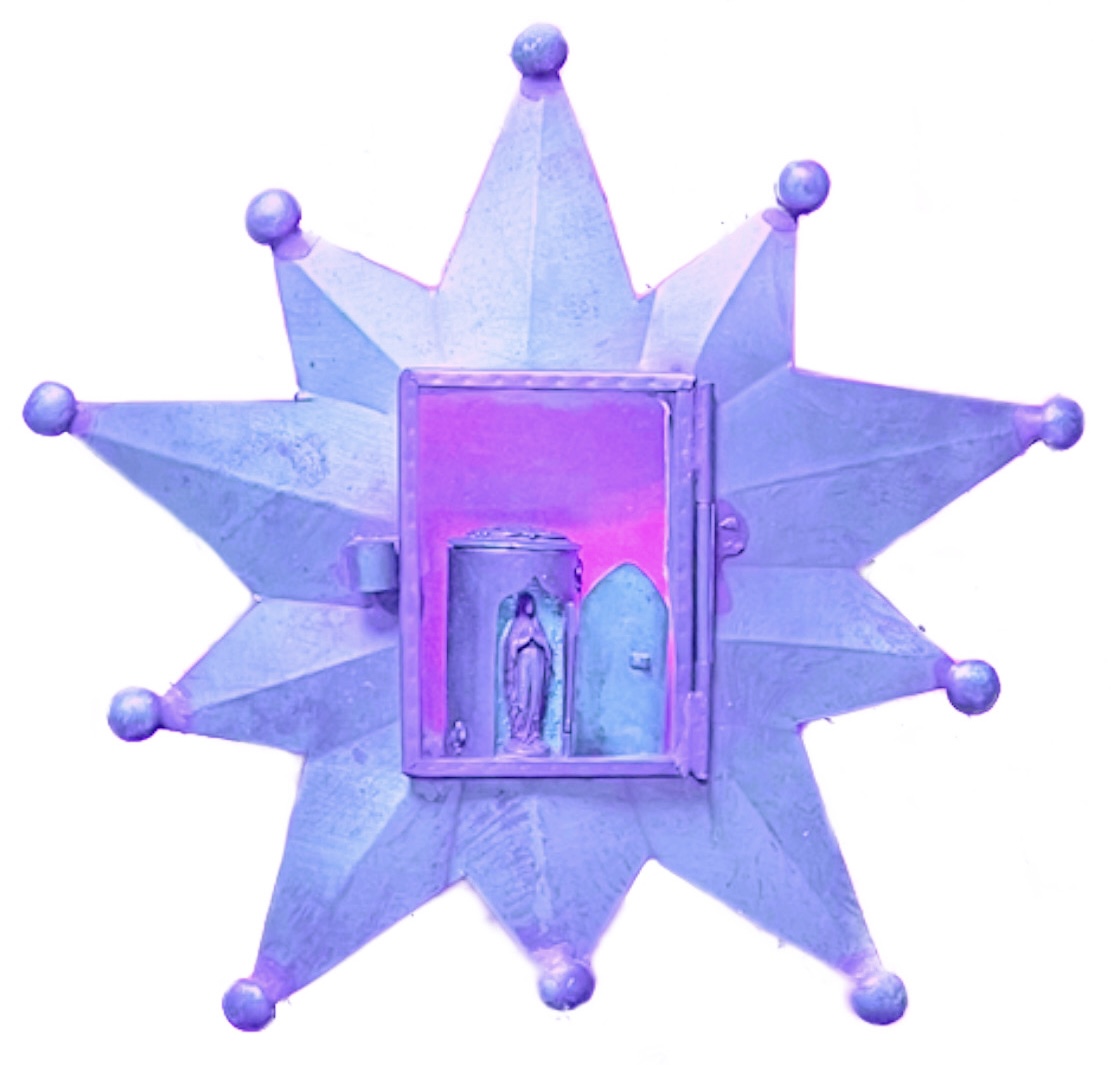
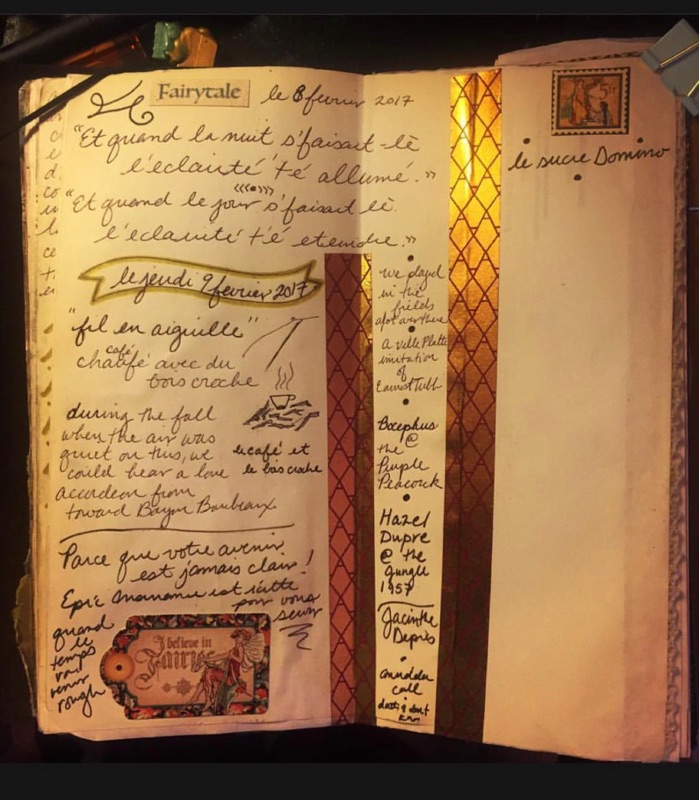
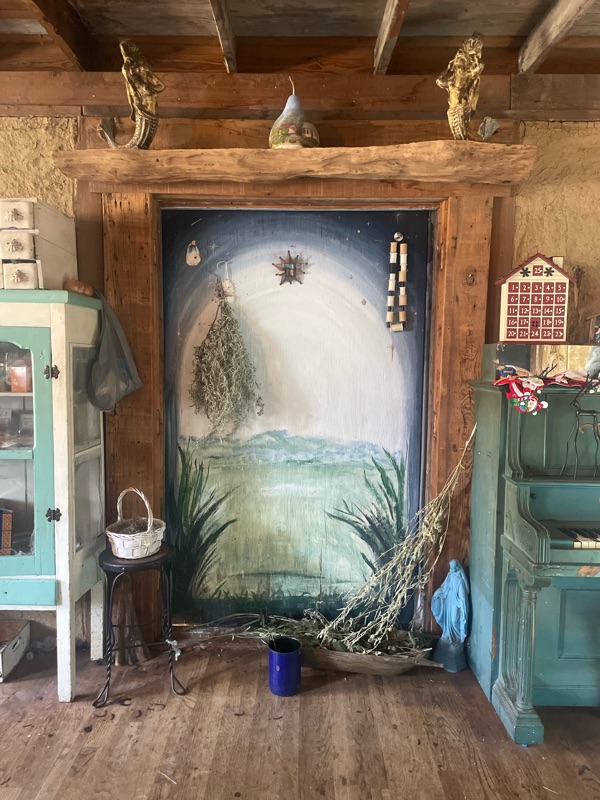

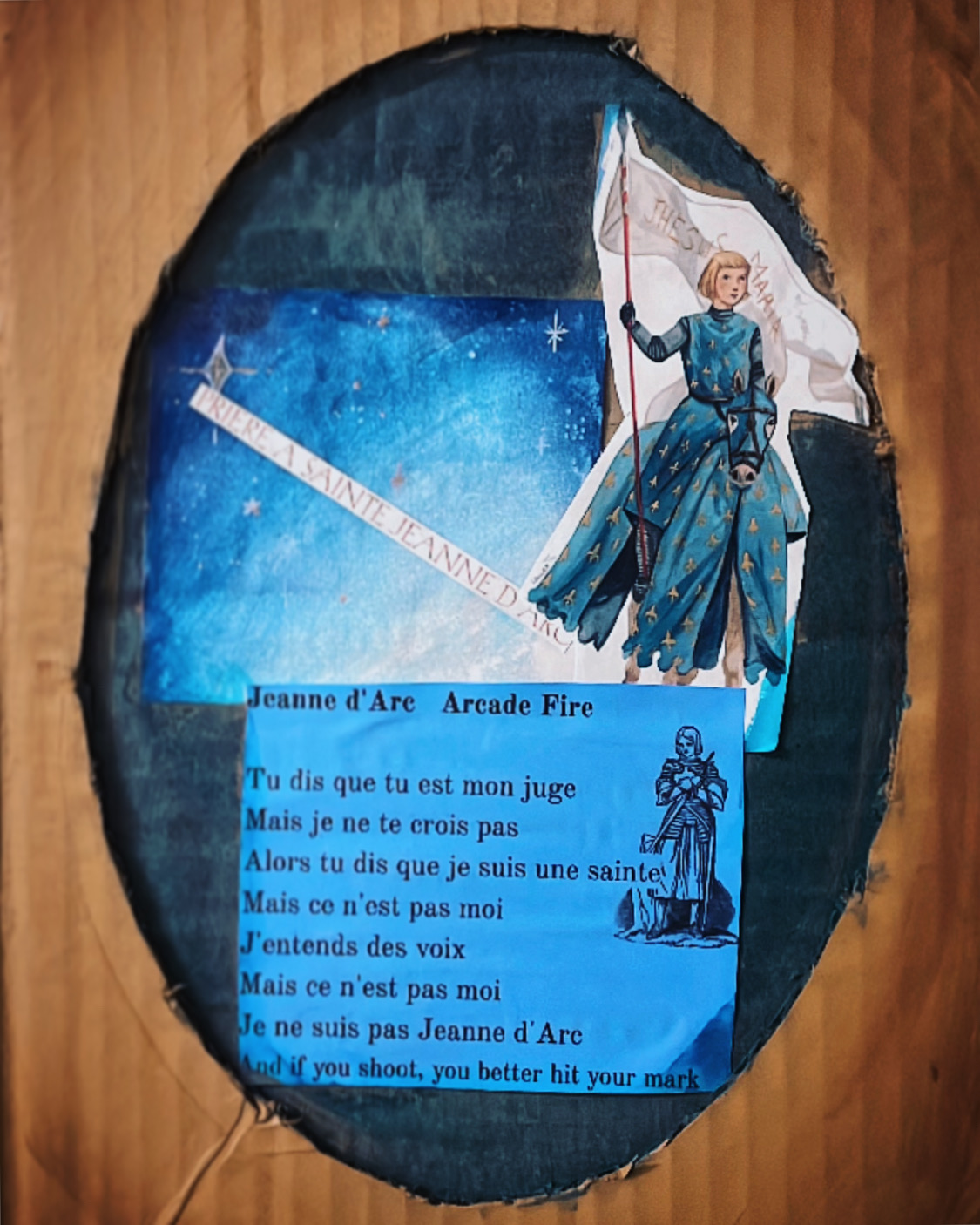
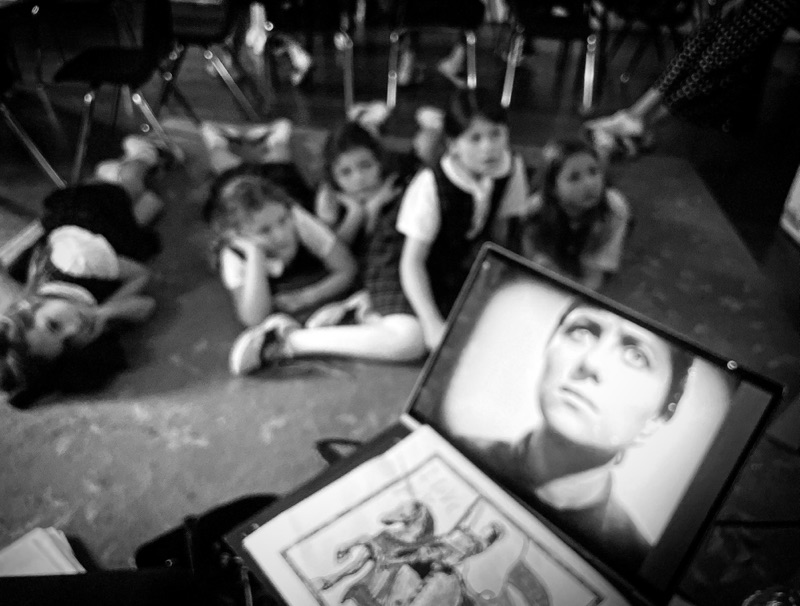 Joan of Arc week with the girls of the Sacred Heart