

Via Mike Leblanc:
10.0 Adjacent Angles, Prairies and Points
There is yet other places, known as Prairie Laurent, Prairie des Femme, and Point Clair. Each has its distinctive character based on the stories upon which its sense of place was created.
10.1 Prairie Laurant
Prairie Laurant is also known as Prairie des Mulates, that is literally, Prairie of Mulattoes. Mulatto is in French, is called a mulâtre for men and mulâtresse for women.[1] Perhaps one of the most well known residents of La Prairie Basse is Clifton Chenier, and his brother, Cleveland, both proud black men, who are among the founders of Zydeco music. Reflecting their racial heterogeneity, their music is a hybridization of Blues, Jazz, Cajun, Country and Western, and Rhythm and Blues, played with an accordion, that quintessential French instrument, and a washboard, a folk instrument used to create African rhythms.
10.2 Prairie des Femmes
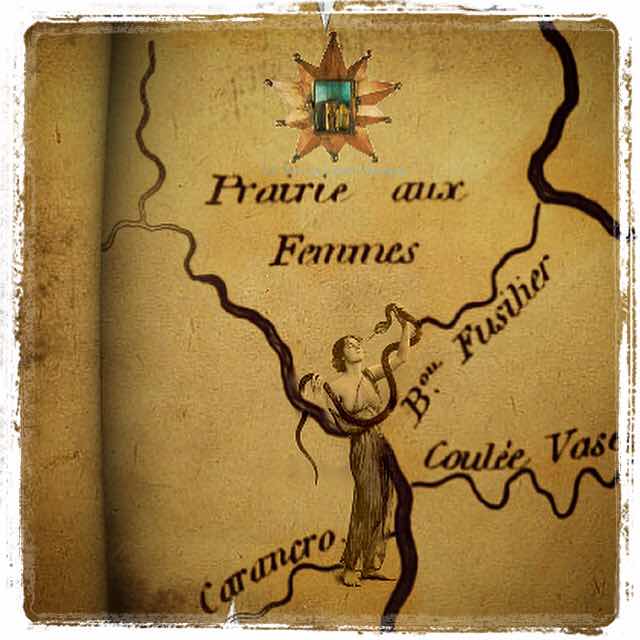
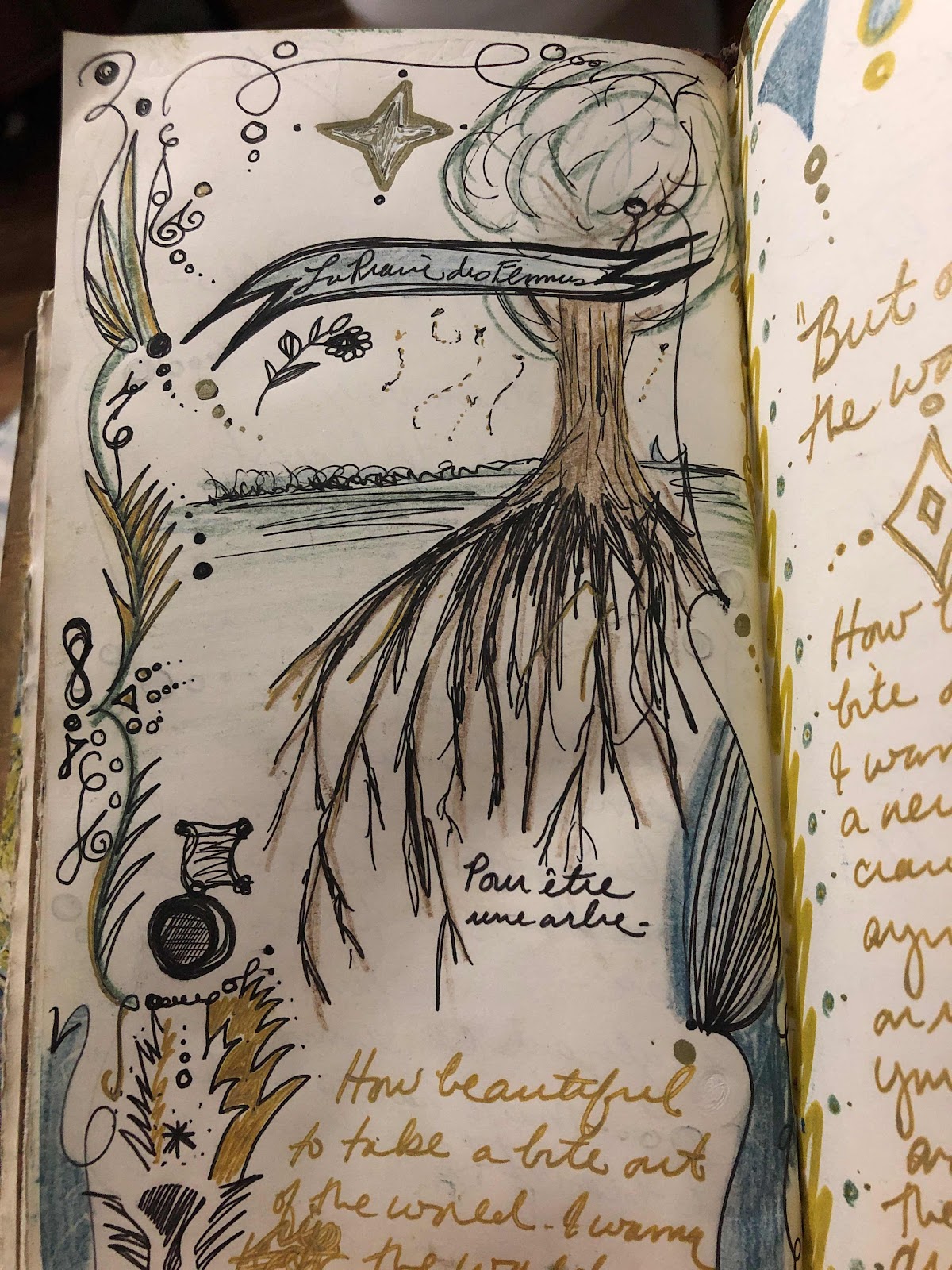
To south of Prairie Laurent, a place is still called La Prairie des Femmes (or literally Prairie of Women). If you ask an inhabitant of that place (who are mostly Cajuns) what is the origin of that place name, you will be told that all of the men were killed while on a hunting expedition in time long forgotten or during a war, particularly World War I or World War II. However, the earliest maps of the area created by Spanish indicate that the place was called the same name so the meaning has been placed mouth to ear for some 300 years, its true meaning lost to the ghosts of another time.
To the east of La Prairie des Femmes is a place called Pointe Claire, a pasture used in the spring to herd cattle upon the grasslands. As late as the 1960’s, the cattle were driven by horseback from land laid fallow in the winter months to these nearby pastures for their spring grass. These lands were first discovered by that early band of Africans who hunted deer to extinction and were later to inter-marry with Acadians who herded cattle upon those lands.
10.3 McVeigh Plantation
To the south of La Prairie Basse lies the McVeigh plantation, a place of level lands upon a prairie cleared of its high grass and where slavery was practiced in the 19th Century and later where share cropping also enslaved Afro-American, Creoles and Cajuns in a labor system meant to drive their laborers and their families into penury and serfdom meant to tie them to land as well as to enrich their land owners. Today, McVeigh Road runs down the middle of this plantation and is bordered on both sides by cane fields.
McVeigh Road comes to an end at its intersection with Louisiana Highway 31, which parallels Bayou Teche. Alongside of highway is a narrow strip of land upon, which was too narrow to farm and which was the location of the sharecropper shacks used in the early 20th Century. While the descendants of Ton Ton were free persons of color and devote Catholics, the descendants of the slaves working on the McVeigh plantation were lively Protestants, practicing within the Baptist Convention.
Information via Mike Leblanc
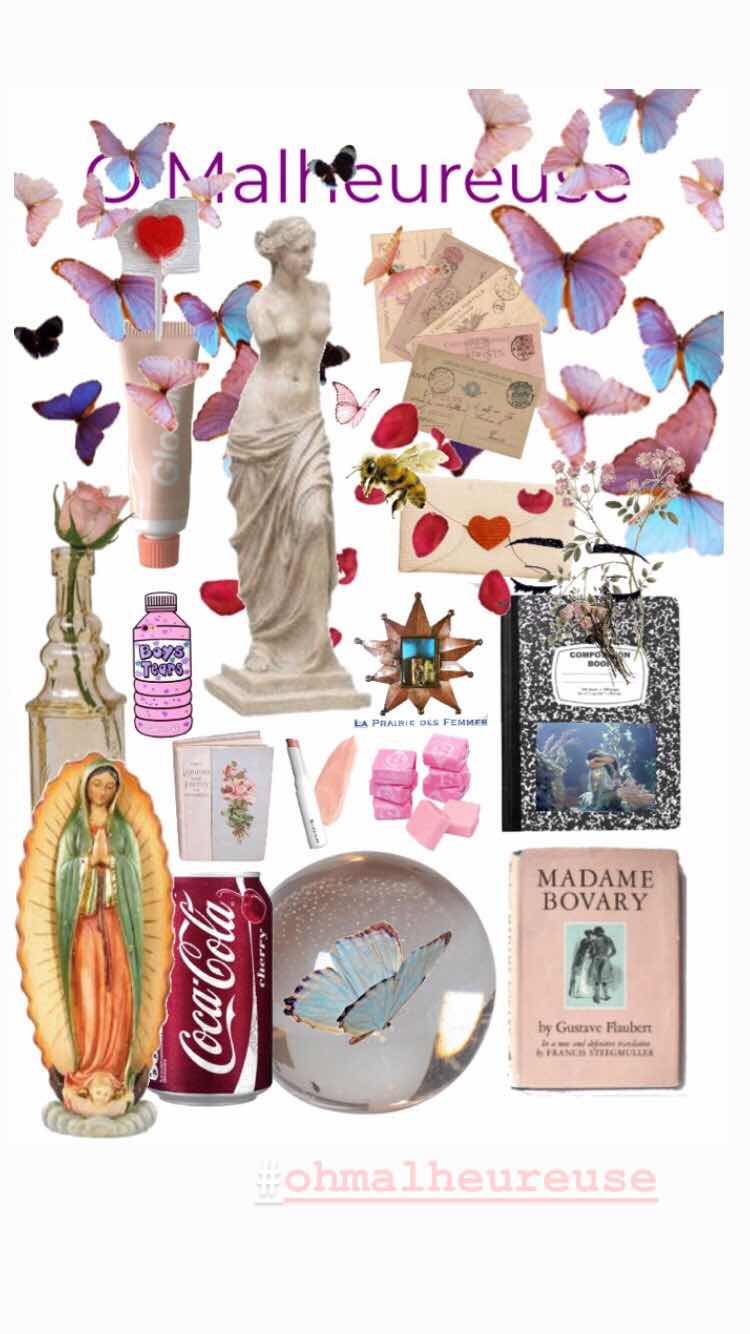
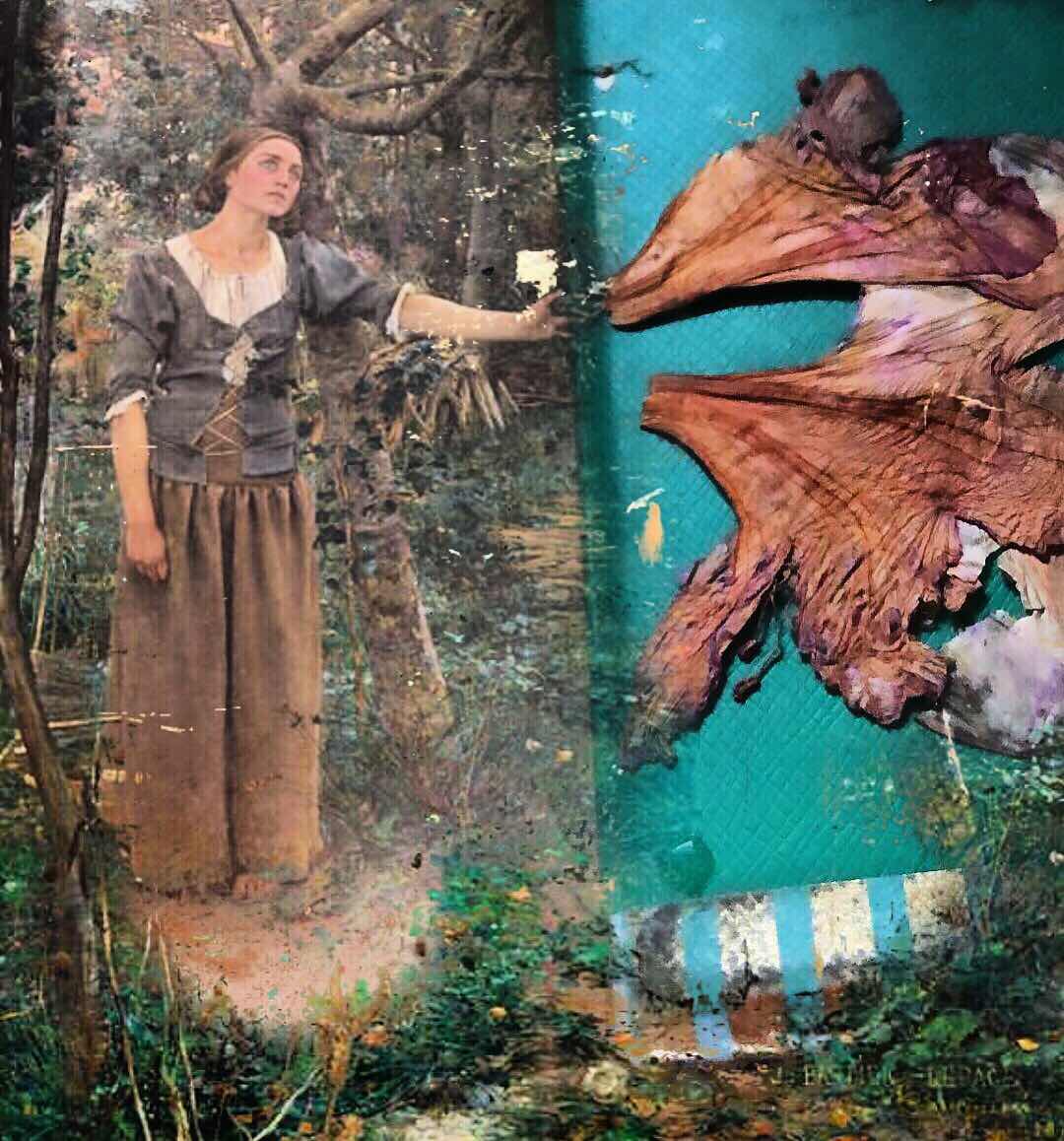
“Prairie des Femmes” is another space that is both real and virtual, where a new generation of Franco-Louisianians is developing an authentic voice. Its creator, Ashlee Michot, recently launched a project, “Ô Malheureuse,” where she threw out a sort of message in a bottle, calling on Louisiana women to submit texts in prose or poetry. The extraordinary response has revealed amazing creative voices. New Orleans Magazine 2019
 |
| Evangeline Parish Moonrise, Ashlee Michot 2015 |