Tuesday, April 15, 2025

Tree Medicine


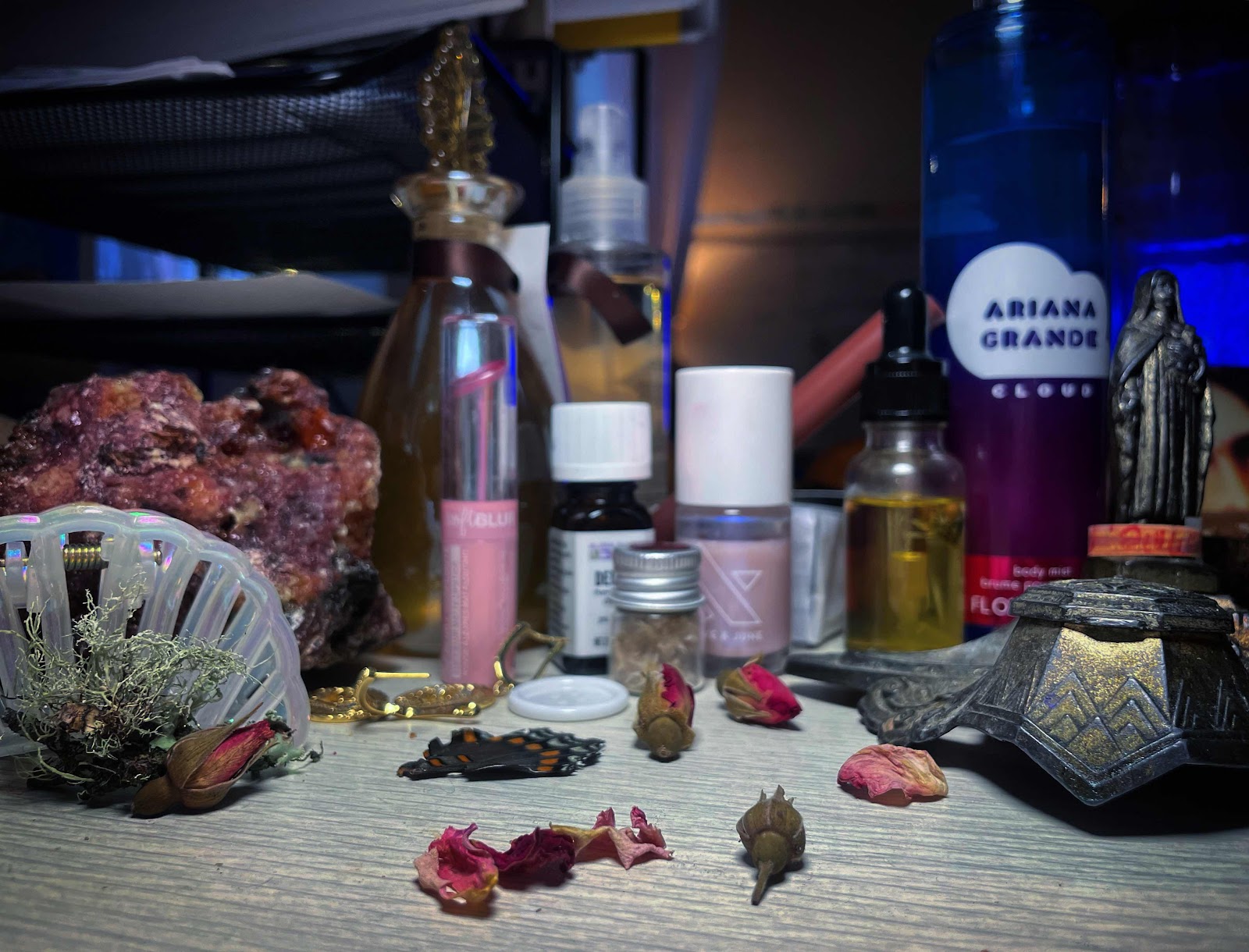
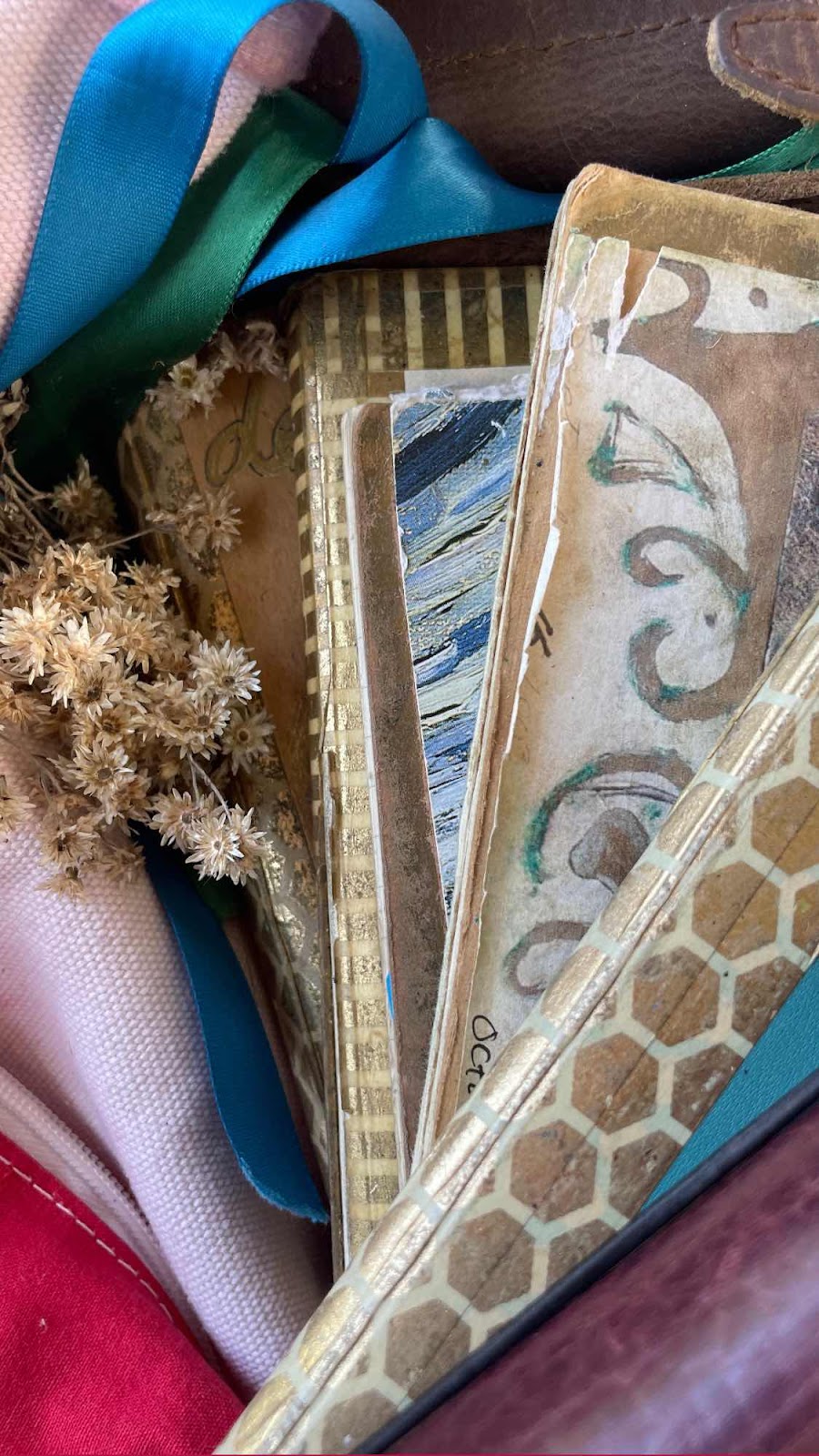
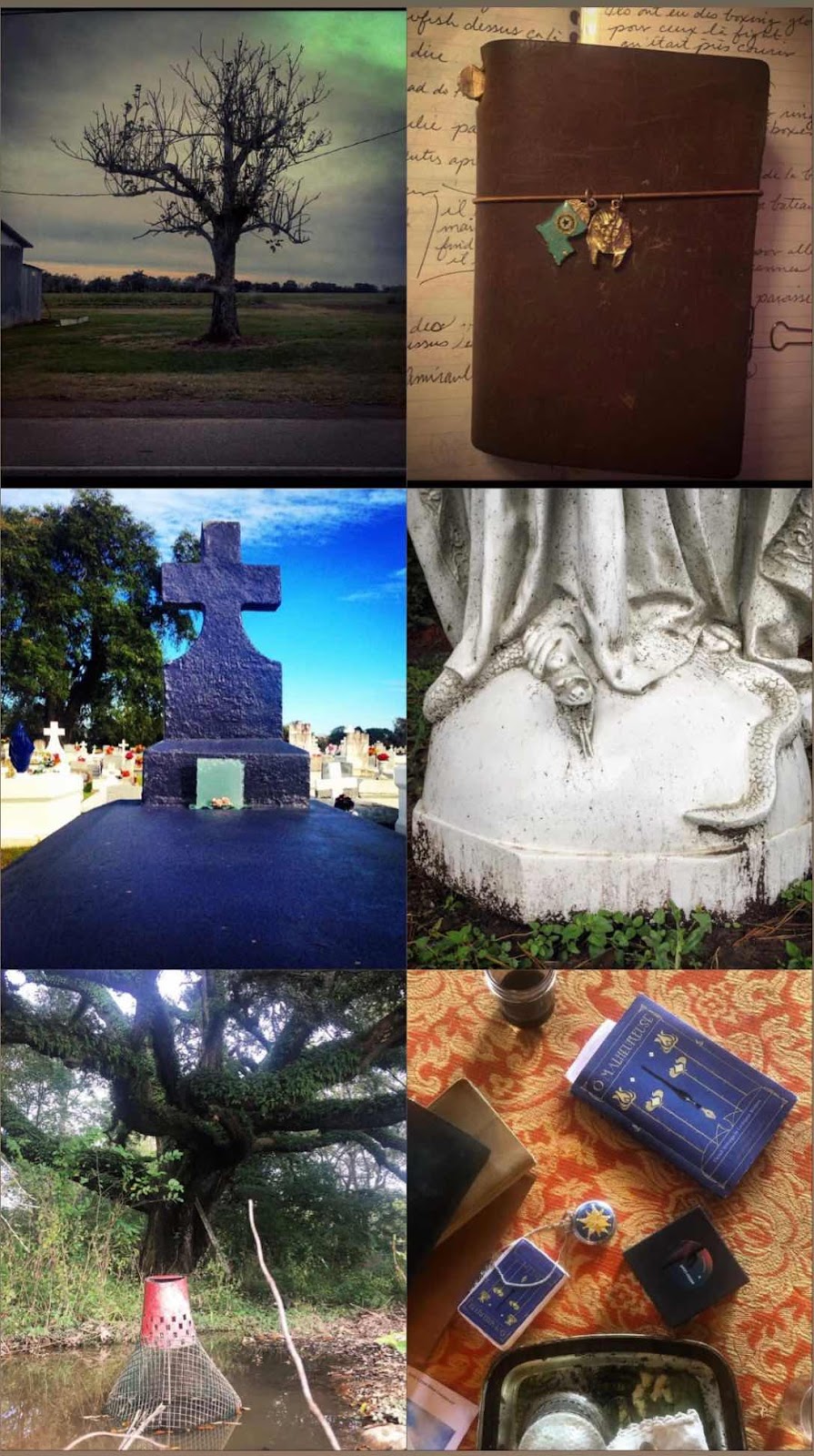
There was a white pine that volunteered in the western yard. It obstructed my view of the open prairie to the southwest, so my husband chopped the top for my photography. That cleared the view for a few years but that tree continued to grow. Except now, at the injury, it weeps sap. I’m not sure if it’s a memory of the damage that was done to clear the path, or if sickness or parasite still lives in the tree. No matter, it has become a medicine tree. On walks around the property I stop there and check the ground for chunks. I follow their fall patterns and gather them.  At first I kept this sap and chunks of resin in my journals, not knowing what to do with it except smell it and let it perfume my journal.


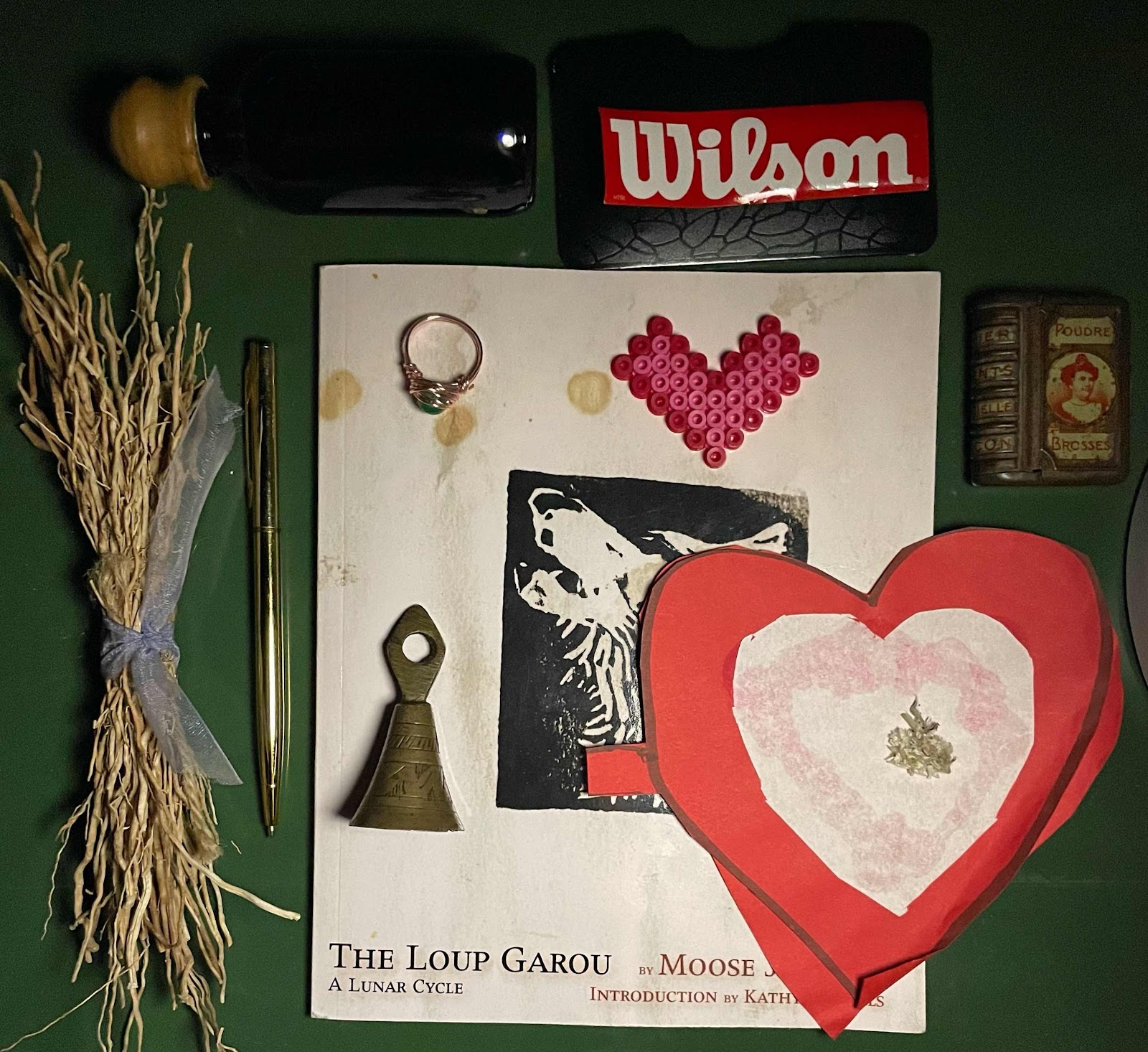
One wet Louisiana winter day I went out to build a little fire in the wax myrtle bower but everything was damp. I pulled out the blank pages of my journal with the resin on them and they worked fine, similarly to the bois gras the men collected and used for fire starter. It kept my little fire going and kept me warm that day and others. It became a habit of mine to be able to spot injuries on resin trees and check them no matter where I was. I kept the pieces of resin in a tin can painted with blue and gold stars on the porch. But one day an indigenous friend gave me a balm made of bear grease and five kinds of fir resins from the north, saying that it would heal any wound and not even leave a scar. Sometimes I put the clearest sap on small cuts around my cuticle. Then I knew then what to do with my resin collection. 


I melted the chunks down with sweet almond oil and when they were incorporated I filtered it and mixed it with melted bay wax from the bower to make a balm that my boys called “tree medicine”. They refused Neosporin but would accept the tree medicine on their wounds, only after I showed them the tree itself.


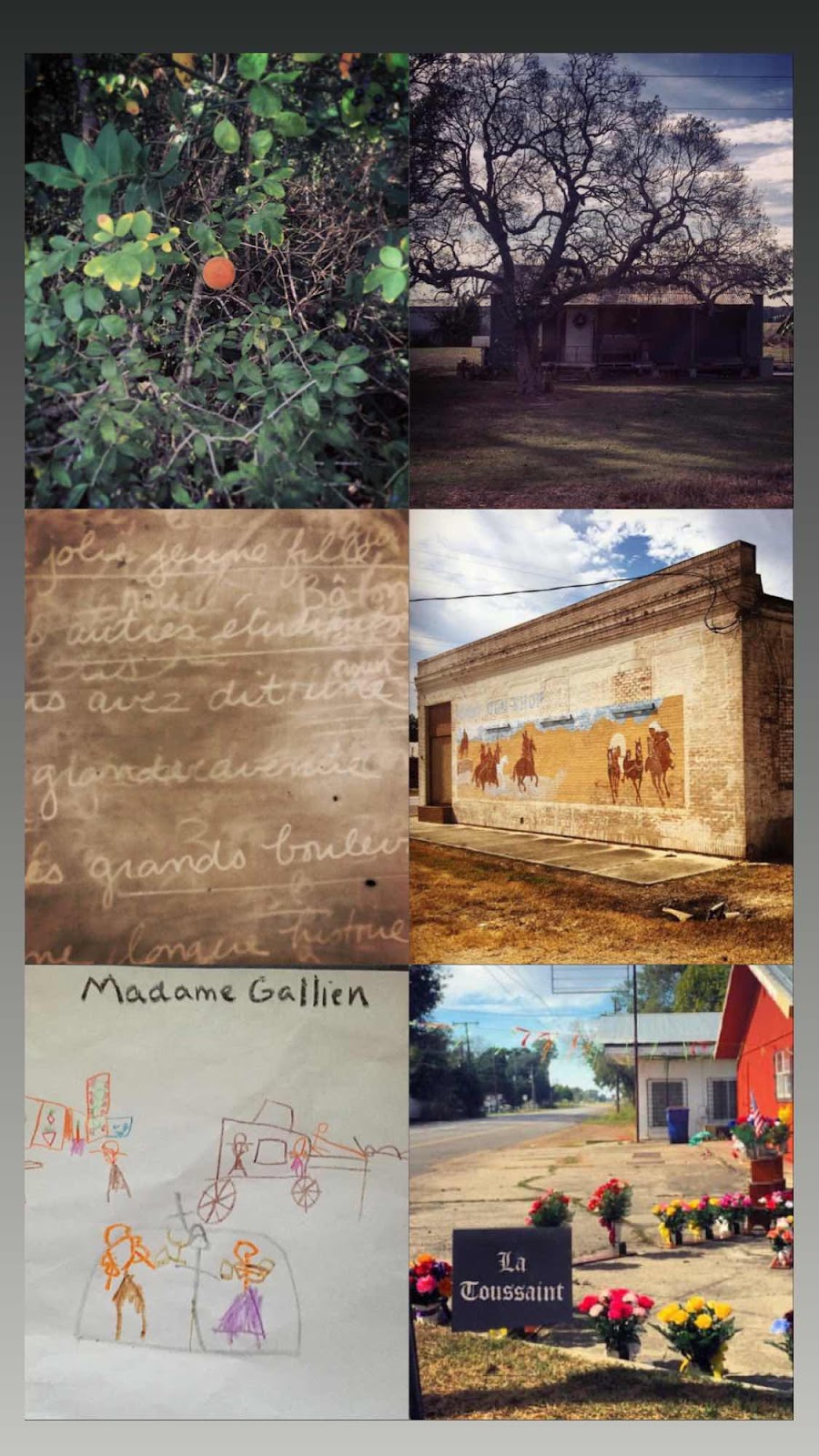
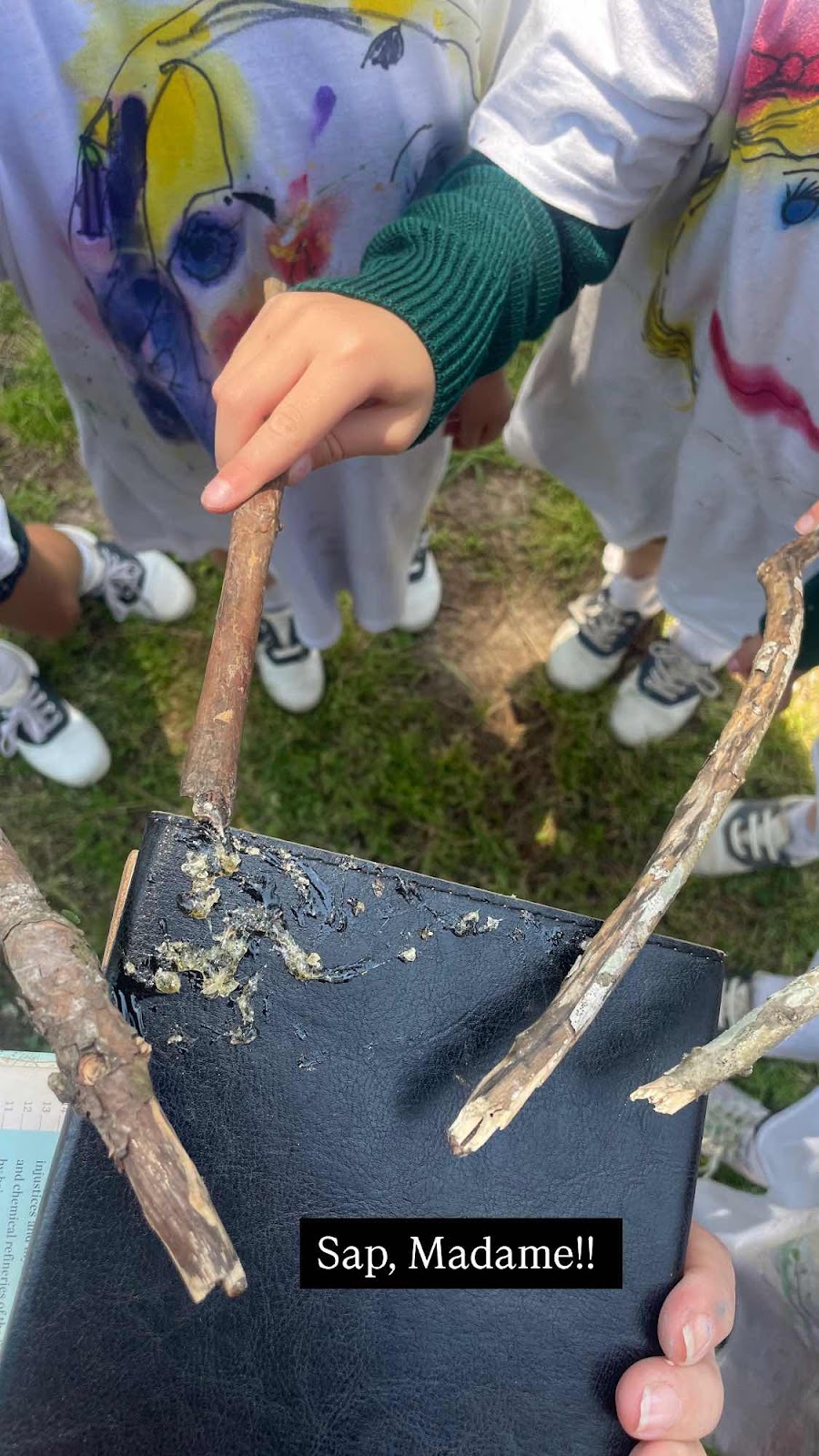
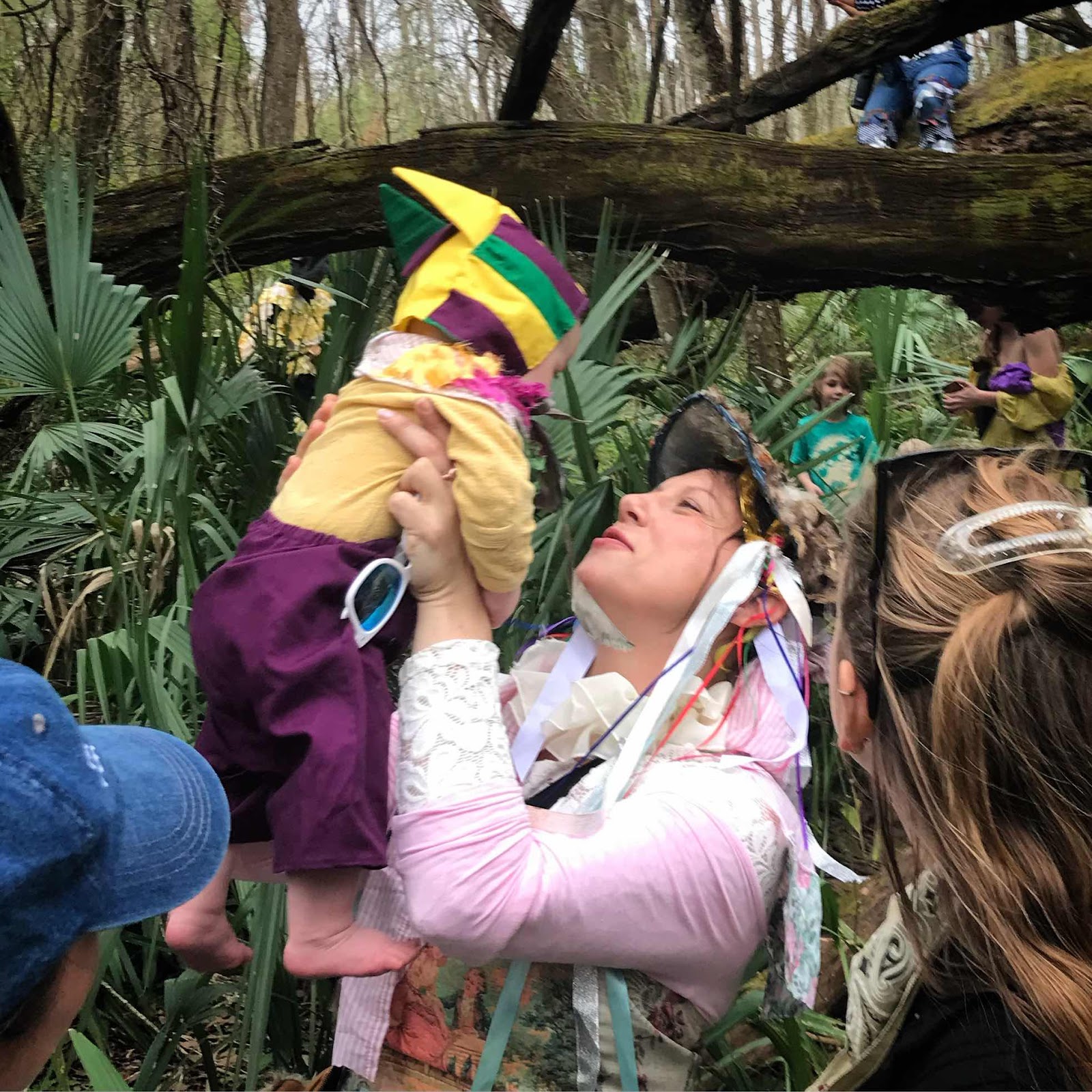
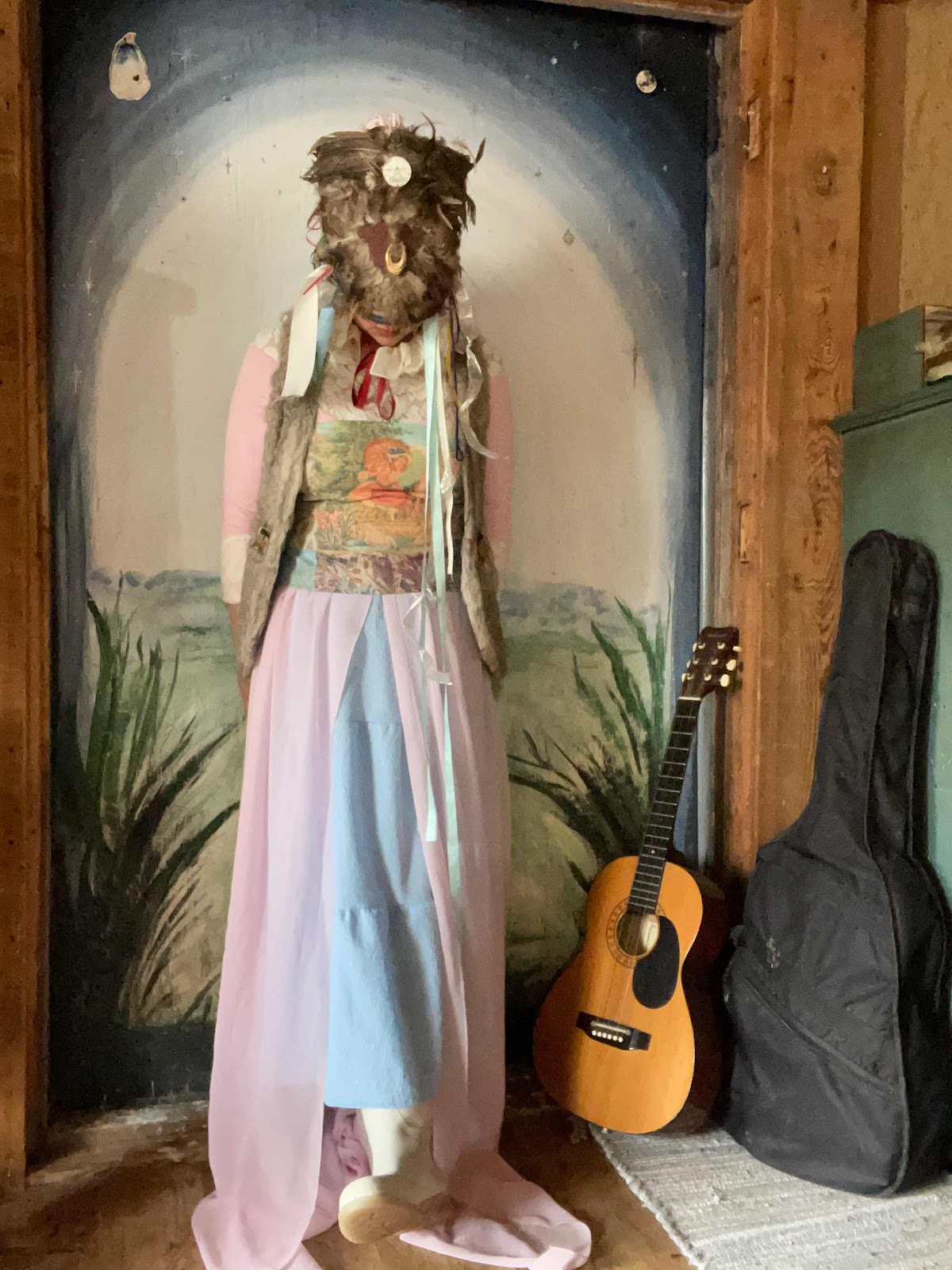
Daily I work atop the Grand Coteau at a school over 200 years old, full of old oak and pine alleys. Some of the pines seem to be nearly as old as the school and bare many scars and knots that give sap. I immediately began to survey each tree at recess and the girls would ask, "Madame, what are you doing?" Last year, one of the largest pines was struck by lightning and it created a rip in the bark that began to weep sap. Daily the girls and I go out and check this tree, because it gives the clearest sap that looks like tears. I have taught the girls that only the wounded trees will give the medicine, and in their healing, we can also share in it a little. I explained that the sap is like the tree’s blood and the resin is the scab. They apply it, like me, to their cuts, and know that hand sanitizer will clean it and cut the stickiness. I make a spray with the resin also that I use daily as a hand cleaner. Sometimes I come to my classroom and there are curious pine sticks on my desk that upon further inspection are tipped with sap. They'll make a resin platter out of a piece of bark, or dig into a knot with sticks often creating more injury and then more sap. One time I found a half pound chunk of resin, who knows how old, on my desk and thought it was a chunk of tasso. This morning as I was out there in my petticoats and cape gathering fresh pine sap tears with a ruler, and curious as it is, none of the girls even asked me what I was doing.



Wednesday, March 12, 2025

I ain't worried bout Josephine


Lafayette Louisiana's group Da Entourage (The Entourage, also in Creole: the wall) came out with the regional hit The Bunnyhop in the 1990s. Da Entourage was formed by cousins Toemas (Griffin) and Alley Cat (Zeno), and their childhood friend Bunny B. (Brown). 
When I hear this song I can't help but notice the hyper-local French Creole feel of the use of the name Josephine in the lyrics:

        I'm so glad I got my own/I ain't worried bout Josephine 

        My life's a natural high/C'mon and bunny hop with me.


Martiniquaise Josephine Bonaparte, married to Emperor Napoleon, is perhaps the most famous owner of the name in the French Creole world, but as a Louisiana Cajun/Creole musician and writer, I can't help but feel the idea of this woman Josephine has trickled down from the echos of our popular music's past and into the Lafayette hip-hop scene. Something about the lyric "Josephine c'est pas ma femme" is giving the same energy as "I ain't worried 'bout Josephine."

Here I'll list as many songs as I can that mention Josephine in Cajun or Creole music.


La Valse de Josephine by  Leo Soileau and Sadie Courville

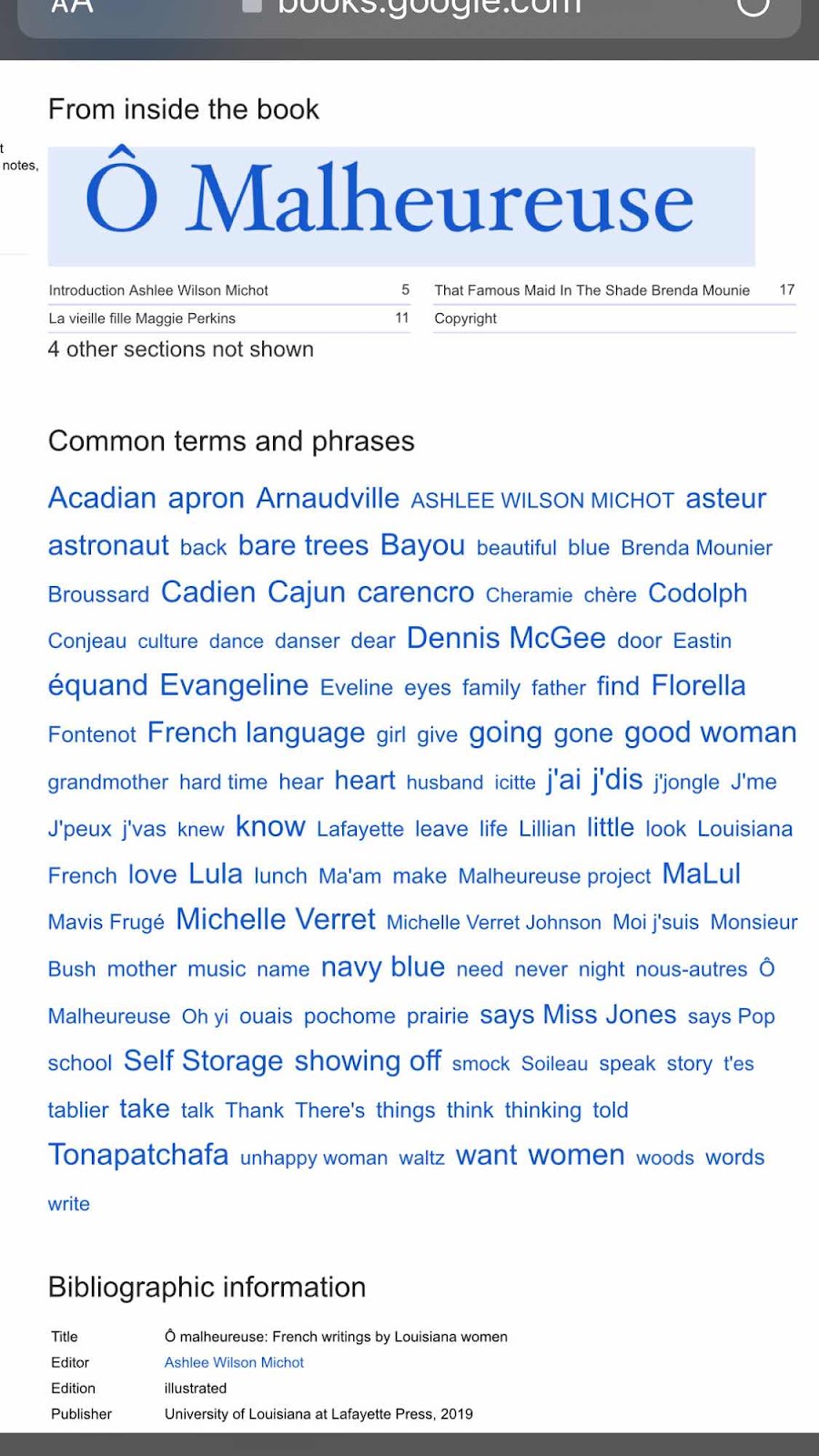
Malheureuse, mais 'garde la bas la 'tite poussière, chère, de ti neg qui s'en vient, ti-galop chez Josephine. 

Unhappy woman, look over there the little dust, dear, of your man who's coming at a cantor from Josephine's house.


My Josephine Hackberry Ramblers

Josephine oh my Josephine, t'es une jolie 'tite fille/Josephine, ma Josephine tu connais tu me fais m'ennuyer/ Tu m'as dit qu tu m'aimais/ Mais moi j'connais ça c'est pas vrai. Ma Josephine. 

Josephine, oh my Josephine, you are a pretty little girl/ Josephine my Josephine you know you make me lonely/ You told me that you loved me/ But I know that's not true/ My Josephine


Josephine c'est pas ma femme by Clifton Chenier (Queen Ida/Fatz Domino)

Bon Dieu connait/Josephine c'est pas ma femme. O Nonc Helaire/ Josephine c'est pas ma femme.

The Good Lord knows, Josephine's not my wife. Oh Uncle Helaire/ Josephine's not my wife.


Hello Josephine Keith Frank

Hello Josephine/ well how do you do/ do you remember me my baby?? Like I remember you/ You used to drive your car/ through the drive-in window.


Wednesday, February 12, 2025

La Prairie a une Mémoire

 The Prairie Has a Memory

Ashlee Wilson, 2024

La prairie a une mémoire. The prairie has a memory.


The prairie has a memory. Places retain une souvenance of what was before. There is memory in the presence of the plants that remain, the seeds in the ground, and if we are present enough it is revealed. In our stewardship of this environment we are invited to remember. The indigenous tribes of Louisiana were masters at management practices such as prairie burning and worked with the seasons and cycles of the year to maximize productivity with minimal impact. In colonial times settlers traveled by ship across oceans and made linguistic parallels between the prairie landscape and the open sea. Despite the decline of this habitat, the prairie retains its memory and so do we.


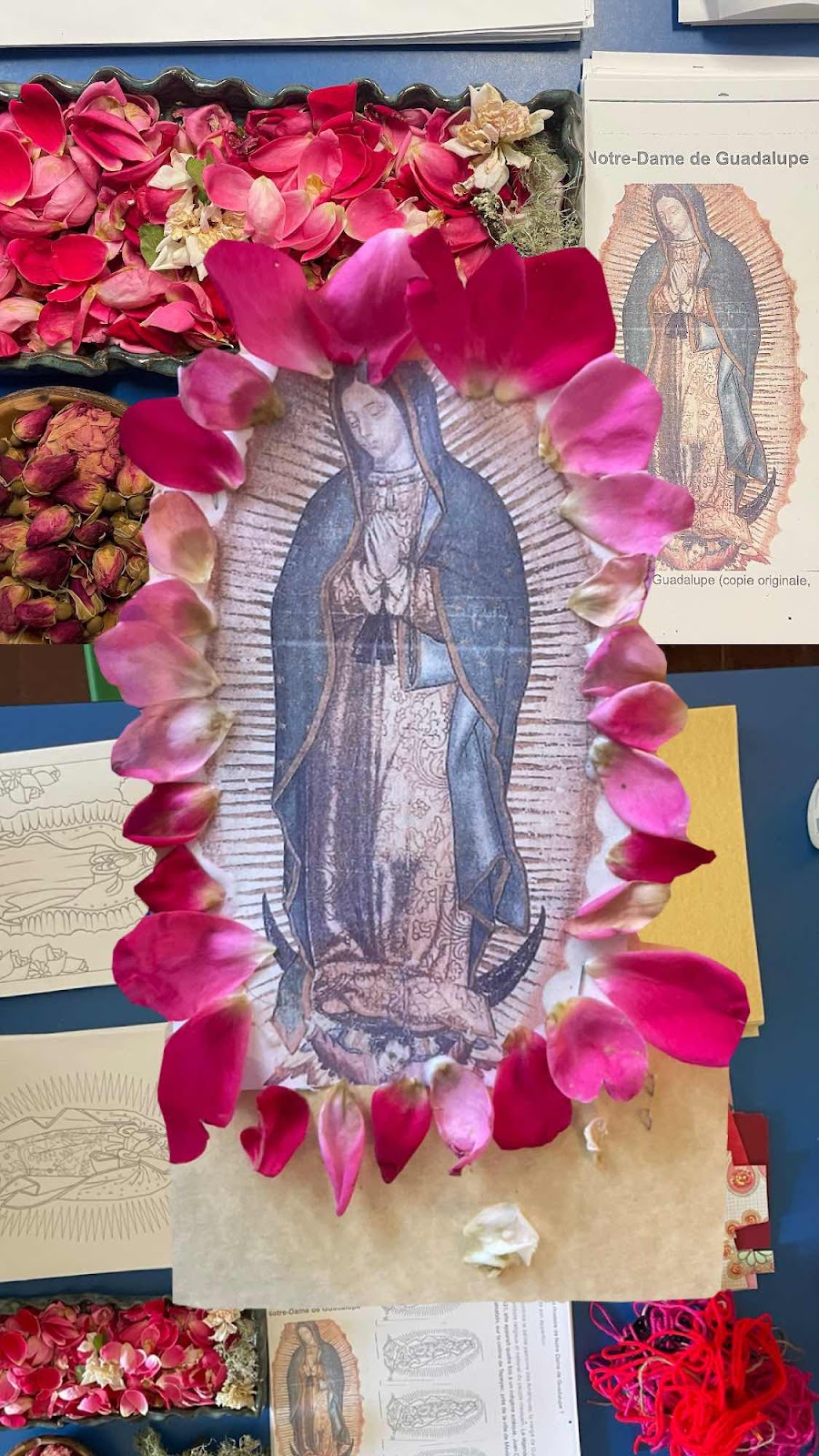
The feminine imagery displayed across the Cajun Prairie in the form of Marian grottos is a visible symbol of our reverence for the feminine as well as the deeper indigenous matriarchy that permeates our cultural memory. Cultures over the world recognize water goddesses as protectoresses over long voyages. In South Louisiana perhaps the most visible of these is Our Lady of the Assumption, known in Acadian culture as the Maris Stella or Star of the Sea, but also in Yemayá, the Yoruba water goddess. 


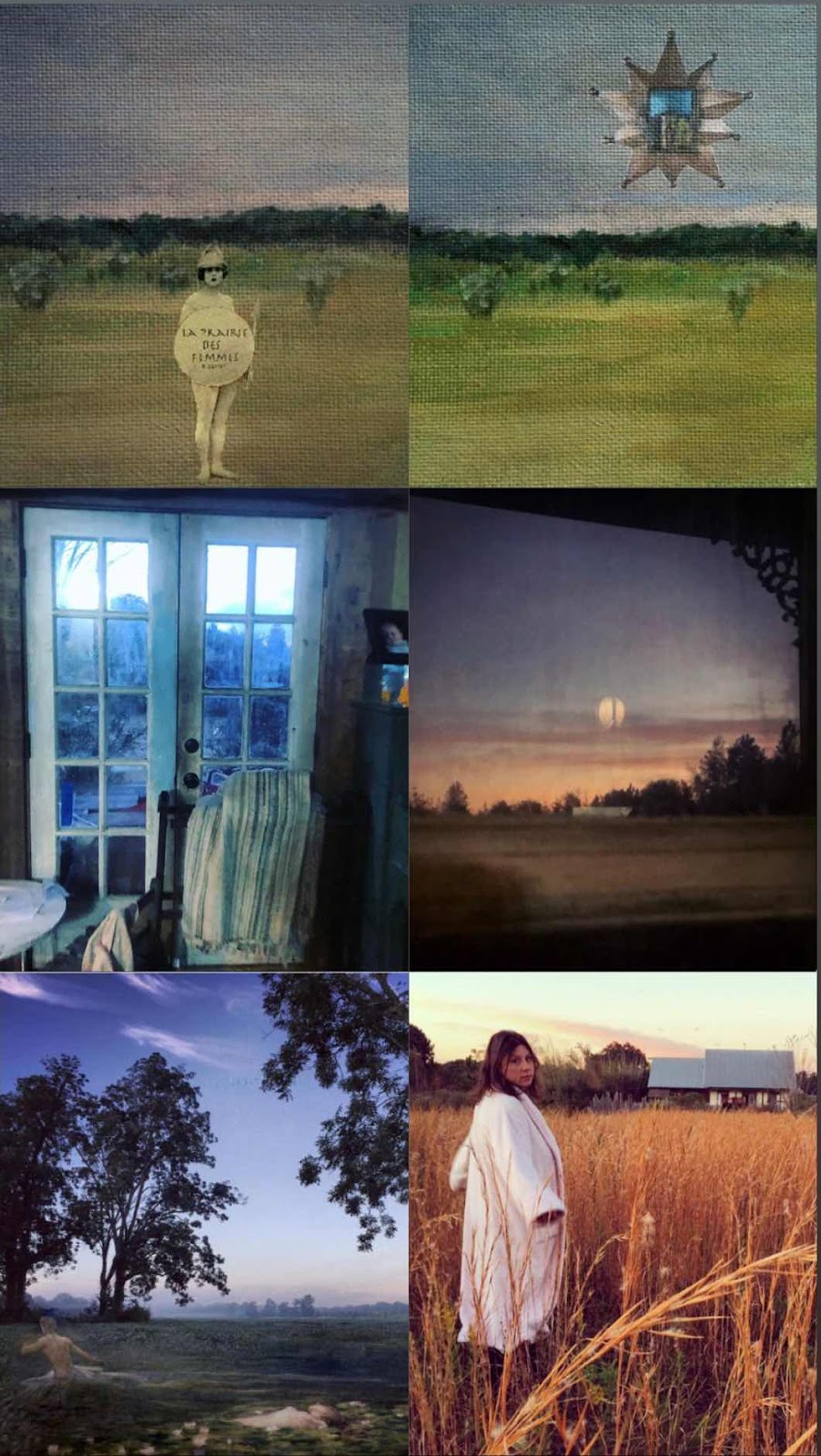
The prairie has an outer and inner life. On the visible outside the folklore is French, American, Cajun or Creole, but underneath the deep-rooted grasses there are native seeds, as well as sacred indigenous relics that remain. Research of the origin of the name Prairie des Femmes (Prairie of the Women) has led to the story of it being a place where indigenous women stayed when their men left. This research has also manifested on a personal level into a tangible reverence for the land and recognition of the fragility of the loss of not just the prairie soils, but also the stories and the languages that existed here. 


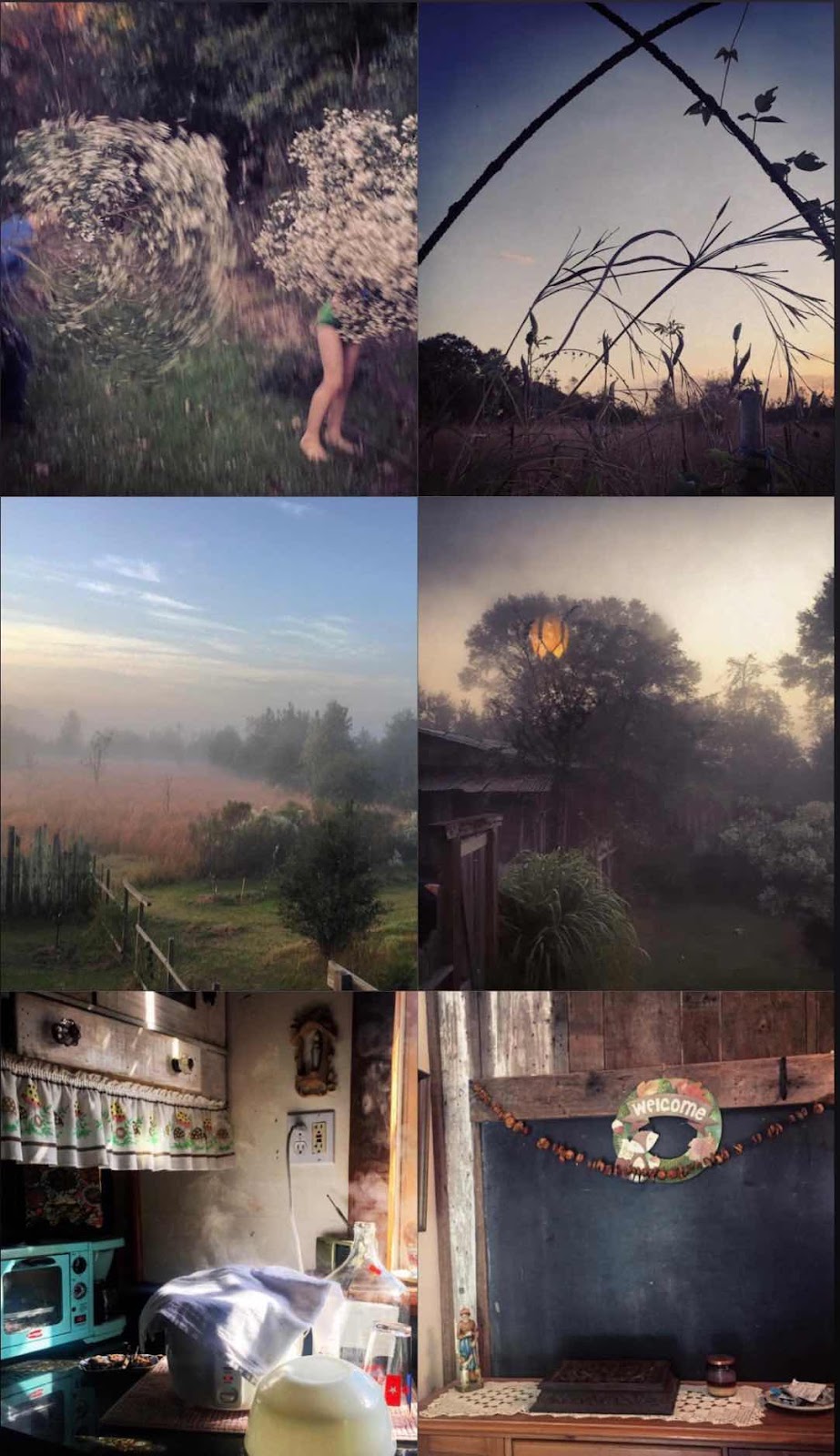
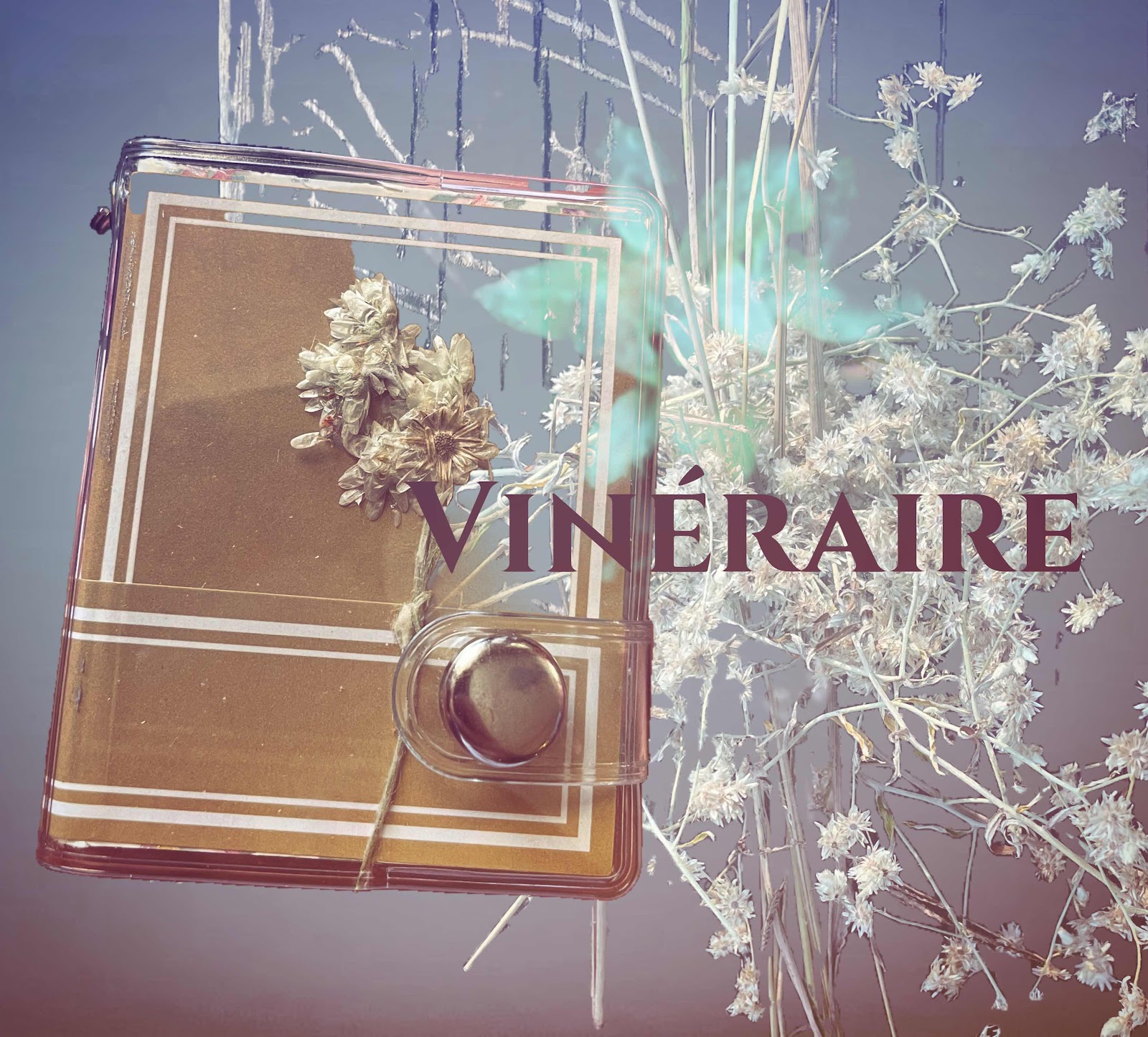
My act of restoration for the prairie has been to inhabit the Prairie des Femmes and act as a scribe for her folklore as well as a steward by encouraging her native flora and fauna. One of the proofs of this work has been the appearance in my overworked sweet potato field of the native medicinal pseudognaphalium obtousifolium, fragrant rabbit tobacco, known locally as vinéraire (vulneraire). I found it by its fragrance in the back of my prairie in 2011, and in a similar way to the gathering of Prairie des Femmes origin stories, I have begun to share this medicine with locals who have memories and need of it. 


Ashlee Wilson, a native of Ville Platte, Louisiana, is a teacher, artist, and self-taught Louisiana French speaker. She is widely recognized for her writing, photography, and visual journals documenting her journey in learning Louisiana French, as well as her work with native plants and folk herbalism. Ashlee created the Prairie des Femmes blog in 2012 to chronicle daily life on her historical prairie. She is also the author of The Plains of Mary (2014) and the Ô Malheureuse collection (2019, UL Press). She currently teaches French at the Academy of the Sacred Heart in Grand Coteau.

The Prairie Has a Memory pays homage to her home, La Prairie des Femmes, in St. Landry Parish. This historic prairie, documented in records from the mid- to late 18th century, lies near the boundaries of the Attakapas-Ishak and Opelousas territories, just east of the sacred hills of Grand Coteau. Once a sweet potato farm, the land has become a site of restoration under Ashlee’s care. For over 20 years, she and her family have cultivated native plants, reintroduced traditional land stewardship practices such as periodic burns, minimal mowing, and abstaining from chemical herbicides, all in an effort to restore the prairie’s natural balance and preserve its memory.


Monday, October 28, 2024

Maison Blanche

Maison Blanche
Moi je reste dans un mobile home
Mais tous les soirs je rêve de ma maison blanche
Moi j'ai une femme et un ti-garçon
Et j'aimerais les mettre dans ma maison blanche

Moi j'veux pas d'être president
Mais j'aimerais rester dans ma maison blanche.

Moi j'veux pas d'être le president
Mais j'aimerais rester dans ma maison blanche.

Ma Maison Blanche